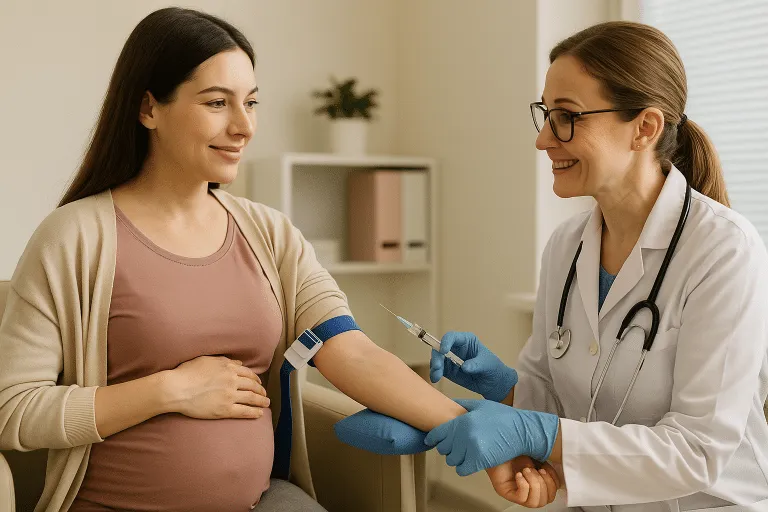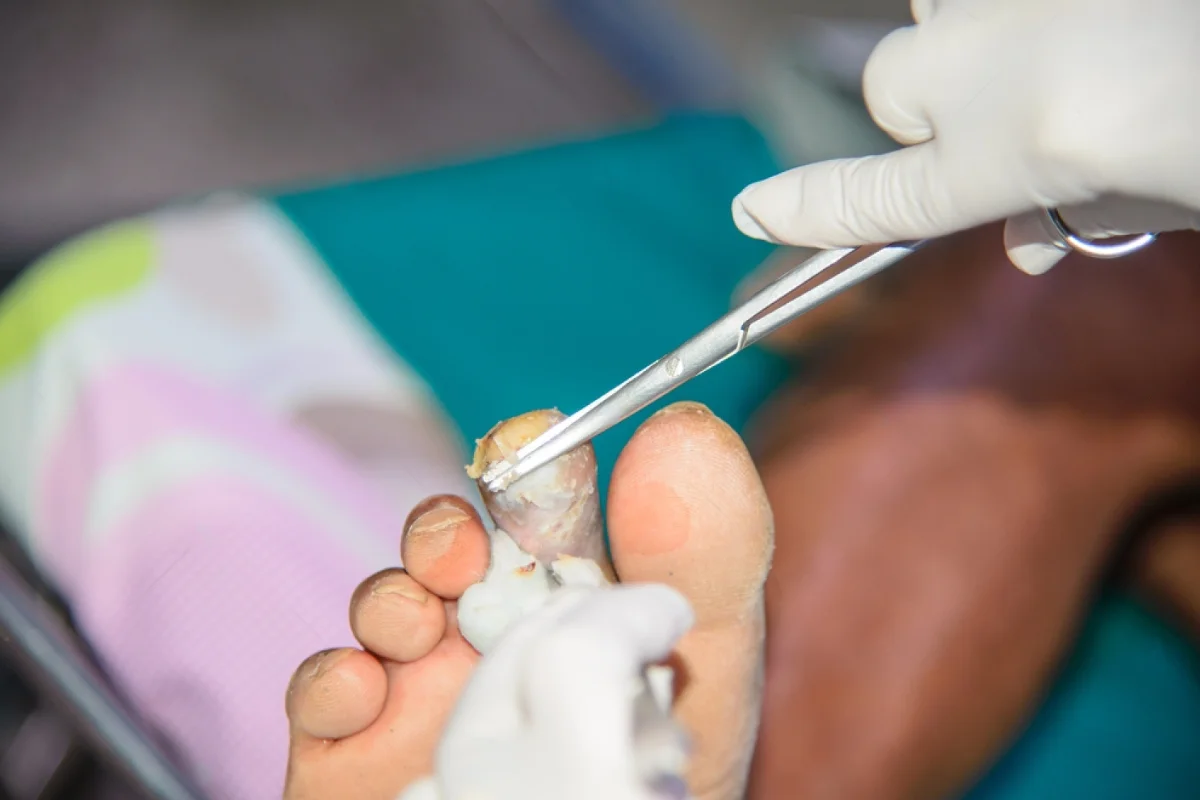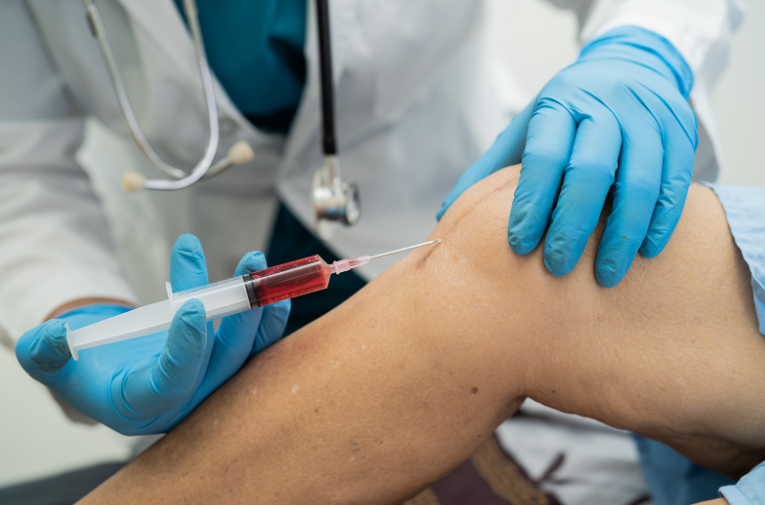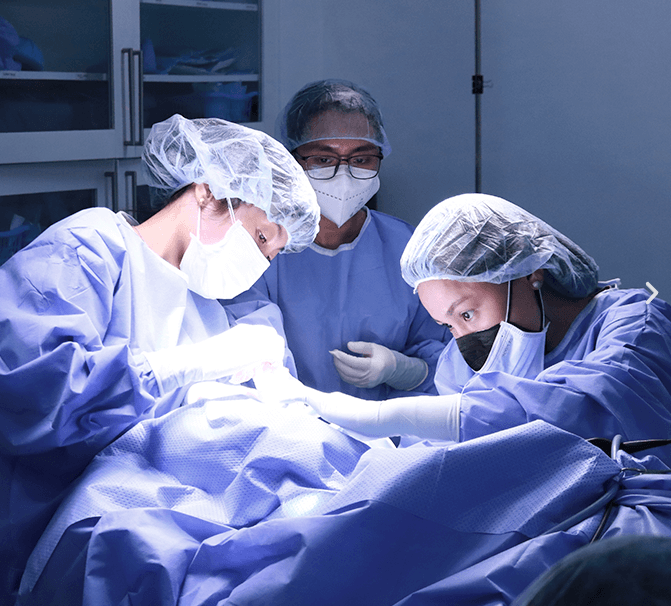
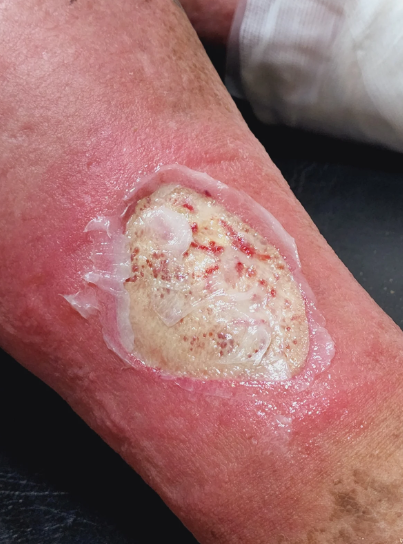
Chronic wounds, diabetic ulcers, surgical wounds, and pressure sores can greatly impact daily life and overall health. Managing these wounds requires more than general medical care—it demands a highly trained wound physician who can provide advanced therapies and personalized treatment plans. Patients across Quezon City, Metro Manila, and the Philippines increasingly rely on specialized wound physicians to achieve faster recovery, prevent complications, and restore quality of life.
A wound physician is not only a medical expert but also a guide who empowers patients with knowledge, care, and strategies to maintain healthy skin and prevent future wounds. These specialists combine clinical expertise with compassionate patient support, addressing both the physical and emotional aspects of chronic wound care.
Who is a Wound Physician?
A wound physician is a medical professional trained in the diagnosis, treatment, and management of all types of wounds, including acute injuries, chronic ulcers, and post-surgical wounds. Unlike general practitioners or surgeons, a wound physician focuses specifically on wound healing, infection control, and tissue regeneration.
Qualifications of a wound physician typically include board certification in wound care, specialized training in advanced therapies, and extensive clinical experience in managing complex wounds. These doctors work closely with multidisciplinary teams, including nurses, physical therapists, and nutritionists, to ensure comprehensive care. Patients benefit from their expertise in both traditional wound management techniques and modern innovations such as negative pressure wound therapy and ultrasonic-assisted debridement.
The role of a wound physician goes beyond treating the visible wound. They assess underlying conditions such as diabetes, vascular disease, and immune system impairments that may hinder healing. Their goal is to create individualized treatment plans that optimize recovery while preventing recurrence.
Common Types of Wounds Managed by a Wound Physician
Patients often seek a wound physician for several types of wounds, including:
Diabetic Ulcers – Chronic wounds caused by diabetes are prone to infection and can result in severe complications if untreated. Wound physicians specialize in early detection, proper dressing selection, and offloading techniques to reduce pressure and promote healing.
Pressure Injuries (Bedsores) – Bedridden or immobile patients are at high risk of developing pressure sores. Wound physicians develop prevention strategies, repositioning schedules, and advanced therapies to accelerate recovery.
Venous Ulcers – Poor circulation in the legs can lead to persistent ulcers. Wound physicians implement treatments such as compression therapy, topical agents, and circulation improvement protocols.
Surgical Wounds – Post-operative wounds may heal slowly due to infection, underlying conditions, or improper care. A wound physician monitors recovery, prevents infection, and manages complications effectively.
Chronic Non-Healing Wounds – Wounds that fail to heal after weeks or months require specialized attention. Wound physicians employ advanced treatments tailored to tissue type, wound depth, and patient health status.
Advanced Treatments Offered by Wound Physicians
Modern wound care combines medical precision with innovative therapies. Wound physicians provide treatments that significantly improve healing rates and minimize complications:
Negative Pressure Wound Therapy (NPWT) – This therapy uses controlled suction to remove excess fluid, enhance blood flow, and stimulate tissue growth, making it ideal for large or chronic wounds.
Ultrasonic-Assisted Debridement – A precise technique that removes nonviable tissue and bacteria without damaging healthy tissue, reducing infection risk and promoting faster healing.
Customized Wound Dressings – Wound physicians select dressings based on wound type, moisture level, and healing stage. Tailored protocols ensure optimal conditions for tissue regeneration.
Infection Control and Antibiotic Management – Prompt detection and treatment of infections prevent complications. Wound physicians guide patients on proper wound hygiene, medication, and monitoring.
Patient Education and Preventive Care – A wound physician teaches patients to care for their wounds, recognize early signs of infection, and implement lifestyle changes to prevent recurrence.
Benefits of Consulting a Wound Physician
Choosing a wound physician for wound care offers significant advantages:
Faster and Safer Healing – Advanced therapies and expert monitoring accelerate recovery while reducing the risk of infection or tissue damage.
Reduced Risk of Complications – Chronic wounds can lead to amputation, systemic infections, or permanent tissue loss. A wound physician’s expertise lowers these risks through targeted care.
Personalized Treatment Plans – Each patient receives care tailored to their wound type, underlying conditions, and lifestyle, ensuring more effective healing.
Long-Term Monitoring – Wound physicians provide ongoing follow-up to ensure wounds heal completely and prevent future issues.
Holistic Care – Beyond physical treatment, a wound physician addresses emotional support, pain management, and patient education for a comprehensive healing experience.
How to Choose the Right Wound Physician
Selecting the right wound physician is crucial for effective wound management. Patients should consider:
Experience and Training – Look for board-certified specialists with extensive experience in chronic and complex wound care.
Treatment Options – Ensure the physician offers a range of therapies, including NPWT, debridement, and customized wound care plans.
Clinic Accessibility – Convenient location, flexible scheduling, and follow-up services make wound care more manageable.
Patient Testimonials – Reviews and success stories provide insight into the physician’s effectiveness and patient satisfaction.
Affordability and Insurance Coverage – Transparent pricing and support for insurance claims make advanced care accessible without financial strain.
Patient Education and Self-Care Tips
A wound physician emphasizes patient education as a key component of treatment. Effective self-care practices include:
Daily Wound Hygiene – Cleaning the wound according to physician instructions reduces infection risk.
Nutrition and Lifestyle – A balanced diet rich in protein, vitamins, and minerals supports tissue regeneration. Avoid smoking and manage chronic conditions like diabetes for optimal healing.
Recognizing Early Signs of Infection – Redness, swelling, pus, or unusual pain should prompt immediate consultation with a wound physician.
Regular Follow-Ups – Adhering to scheduled appointments ensures continuous monitoring and adjustments to the treatment plan.
Mobility and Pressure Management – For bedridden patients, frequent repositioning and pressure relief reduce the risk of bedsores.
Accessible Wound Care for Every Patient
Patients across Metro Manila and beyond benefit from clinics led by expert wound physicians who provide affordable, comprehensive care. Advanced therapies are made accessible without compromising quality, and each patient receives individualized attention. These clinics integrate technology, skilled personnel, and patient-focused approaches to ensure optimal outcomes for every wound.
Why Timely Care Matters
Delaying consultation with a wound physician can worsen complications, extend healing time, and increase the risk of infection or amputation. Early intervention allows the physician to evaluate the wound, address underlying causes, and implement advanced therapies to promote rapid and safe recovery. Timely care also reduces healthcare costs and improves patient comfort and mobility.
Takeaway
A wound physician is an essential partner for anyone facing chronic or complex wounds. Their expertise, advanced treatments, and personalized care ensure faster healing, fewer complications, and improved quality of life. By choosing a trusted wound physician, patients gain access to cutting-edge therapies, compassionate guidance, and long-term support for healthier, wound-free living.
FAQ Section
Q: What conditions does a wound physician treat?
A: Wound physicians manage diabetic ulcers, pressure injuries, venous ulcers, surgical wounds, chronic non-healing wounds, and infected injuries.
Q: How soon can I expect results?
A: Healing timelines vary depending on wound type, severity, and underlying conditions. Wound physicians create personalized plans and monitor progress closely to optimize recovery.
Q: Are home care or teleconsultations available?
A: Many wound physicians offer guidance for home care and virtual consultations for patients who cannot visit the clinic.
Q: Are treatments covered by insurance?
A: Insurance coverage varies. Wound physicians can assist with claims and provide affordable self-pay options to ensure access to expert care.
Q: Can chronic wounds fully heal?
A: Many chronic wounds can heal completely under the supervision of a wound physician combined with proper patient adherence to treatment and self-care instructions.
Q: How do I prevent wounds from recurring?
A: A wound physician provides education on hygiene, nutrition, lifestyle management, and monitoring for early warning signs to prevent recurrence.