Finding a trusted wound physician can make all the difference for individuals struggling with chronic wounds, diabetic ulcers, pressure sores, or post-surgical wounds. Wound healing requires more than just basic care. A skilled wound physician combines medical expertise, advanced technology, and compassionate support to help patients recover fully while preventing complications.
Meet Your Wound Physician
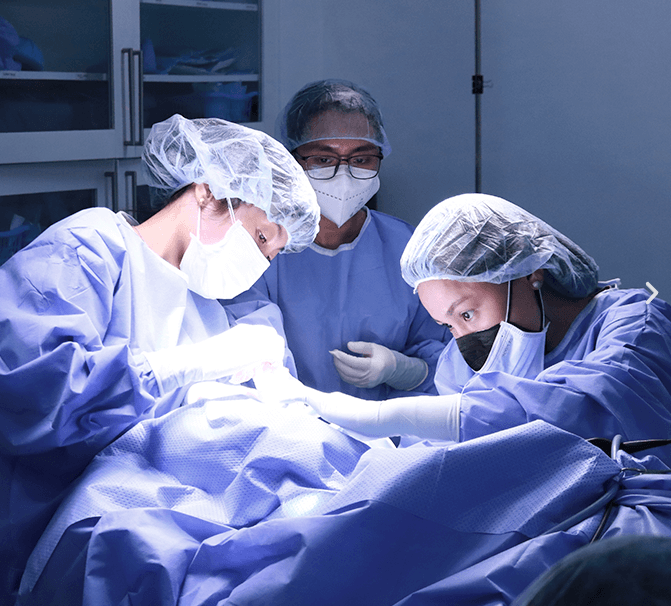
A wound physician is a medical professional specializing in the assessment, treatment, and management of various wounds. These experts are trained to handle chronic wounds that do not heal with conventional care, as well as acute wounds caused by surgery, trauma, or infection. Many wound physicians have international training and experience with advanced treatment techniques, ensuring patients receive cutting-edge care.
Compassion and patient-centered care are as important as clinical skills. A wound physician not only addresses the wound itself but also considers the patient’s overall health, lifestyle, and emotional needs. This holistic approach improves healing outcomes and helps patients regain confidence and quality of life.
Common Wound Types and Causes
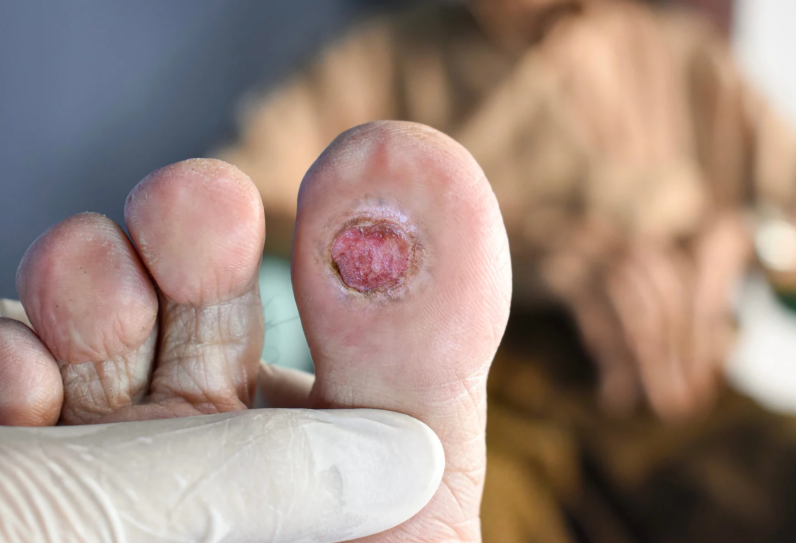
Wounds can arise from many sources, and understanding their type and cause is essential for effective treatment. Chronic wounds, such as diabetic foot ulcers, pressure sores, and venous ulcers, are persistent wounds that resist normal healing processes. These wounds often develop due to underlying health issues, poor circulation, or prolonged pressure on certain body areas.
Acute wounds occur suddenly and may include surgical wounds, traumatic injuries, or infected cuts. While acute wounds often heal with standard care, complications can arise if they are not managed promptly and correctly. A wound physician evaluates both chronic and acute wounds to develop a treatment plan tailored to the patient’s needs.
Factors that affect wound healing include age, chronic illnesses such as diabetes, circulation problems, immune system deficiencies, and lifestyle factors like smoking or poor nutrition. Early intervention by a wound physician can minimize these risks and significantly improve recovery times.
Advanced Treatments Offered by a Wound Physician
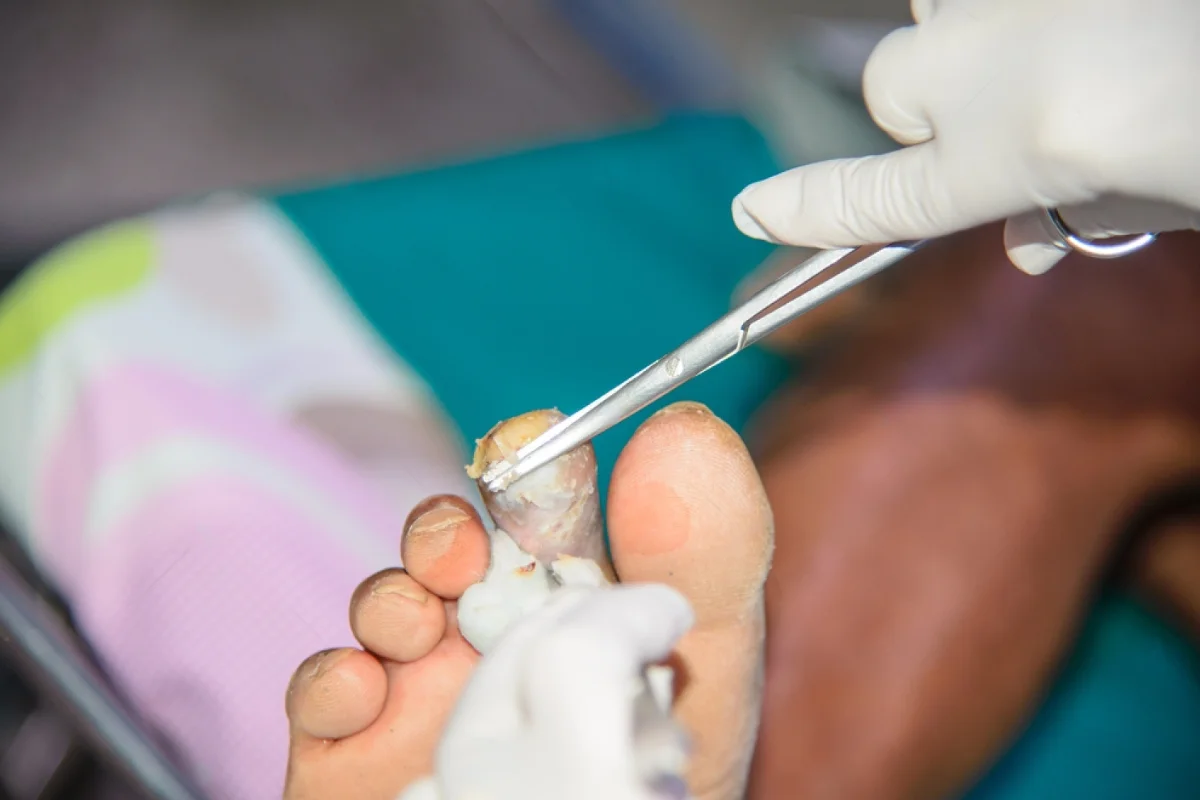
A wound physician employs modern treatment methods to accelerate healing and prevent complications. Ultrasonic-assisted debridement is one such method, allowing safe and precise removal of dead tissue to promote healthy tissue growth. This technique reduces infection risk and prepares the wound for further treatment.
Negative pressure wound therapy, also known as vacuum-assisted closure, is another advanced method. It involves applying controlled suction to the wound, which improves circulation, reduces swelling, and encourages faster closure. Patients with complex or non-healing wounds often benefit from this therapy, which has been shown to significantly improve outcomes.
Customized wound dressings are another critical tool used by wound physicians. These dressings are tailored to the wound type, size, and condition, providing the optimal environment for healing. Antibiotic treatments and infection control measures are also integrated into care plans to prevent complications and accelerate recovery.
A wound physician evaluates each patient individually, combining these advanced therapies with education on proper wound care. The goal is to address both the wound and the underlying causes that may prevent healing.
Benefits of Seeing a Wound Physician Early
Early consultation with a wound physician can prevent minor wounds from turning into chronic or life-threatening conditions. Prompt treatment reduces the risk of infections, amputations, prolonged hospital stays, and other complications.
A wound physician provides a structured care plan, regular monitoring, and adjustments based on the patient’s progress. This proactive approach improves healing speed and outcomes, reducing discomfort and improving quality of life. For patients with diabetes, poor circulation, or other risk factors, early intervention is especially critical.
Wound Care for Special Patient Groups
Some individuals require specialized wound care due to age, medical conditions, or limited mobility. Elderly patients or bedridden individuals are at high risk of pressure injuries, also known as bedsores. A wound physician designs preventive strategies and treatment plans to maintain skin integrity and promote healing.
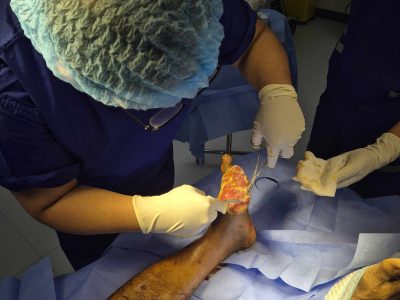
Diabetic patients often experience foot ulcers or slow-healing wounds. A wound physician closely monitors these patients, managing infections and circulation issues while providing education on foot care to prevent recurrence. Post-surgical patients also benefit from specialized care to ensure proper wound closure, reduce scarring, and prevent infection.
Patient Education and Home Care Guidance
A wound physician emphasizes education as part of treatment. Patients and caregivers learn how to monitor wounds, recognize early signs of infection, and maintain proper hygiene. Guidance may include cleaning techniques, dressing changes, nutrition tips, and lifestyle adjustments that support healing.
Patient education empowers individuals to take control of their recovery, reduces the likelihood of wound recurrence, and enhances overall health. A wound physician ensures that both patients and caregivers understand the steps required for ongoing care and long-term prevention.
Choosing the Right Wound Physician
Selecting a wound physician involves evaluating experience, technology, accessibility, and patient-centered care. Certified specialists with advanced training can provide the most effective treatment plans. Clinics equipped with modern wound care technology, such as NPWT devices and ultrasonic debridement tools, offer a higher standard of care.
A compassionate wound physician listens to patient concerns, communicates clearly, and provides consistent support throughout the healing process. Personalized care plans tailored to individual needs are a key factor in successful wound management.
Affordable and Accessible Wound Care Services
High-quality wound care does not have to be expensive. Many wound physicians offer packages suitable for various income levels, ensuring access to advanced treatment for all patients. Clinics that provide accessible services across cities or regions make it easier for patients to receive timely care.
Accessible wound care also includes flexible appointment scheduling, educational resources, and follow-up services, all coordinated by a skilled wound physician. This ensures continuity of care and better healing outcomes.
Why Comprehensive Wound Management Matters
A wound physician addresses not only the wound but also the underlying factors that may hinder healing. Comprehensive wound management includes assessment, treatment, infection control, patient education, and preventive measures.
By combining advanced treatments, patient guidance, and regular monitoring, a wound physician helps individuals achieve faster recovery, reduce complications, and maintain long-term health. Chronic wounds, if left untreated, can significantly affect mobility, quality of life, and overall well-being. Specialized care is essential to avoid these consequences.
FAQ – Wound Physician
Q: When should I see a wound physician?
A: Any wound that does not heal within a few weeks, shows signs of infection, or occurs in high-risk patients like diabetics or the elderly should be evaluated by a wound physician.
Q: What treatments does a wound physician provide?
A: Treatments include ultrasonic-assisted debridement, negative pressure wound therapy, customized wound dressings, infection control, and ongoing patient education.
Q: Are wound care services expensive?
A: Many clinics provide affordable packages and flexible options while maintaining high standards of care, making wound physician services accessible to different income levels.
Q: Can chronic wounds heal completely?
A: With early intervention, specialized care, and adherence to the treatment plan, chronic wounds can often heal completely or improve significantly.
Q: How can I prevent wounds from recurring?
A: A wound physician guides patients in proper wound care, hygiene, lifestyle adjustments, and monitoring techniques to reduce the risk of recurrence.