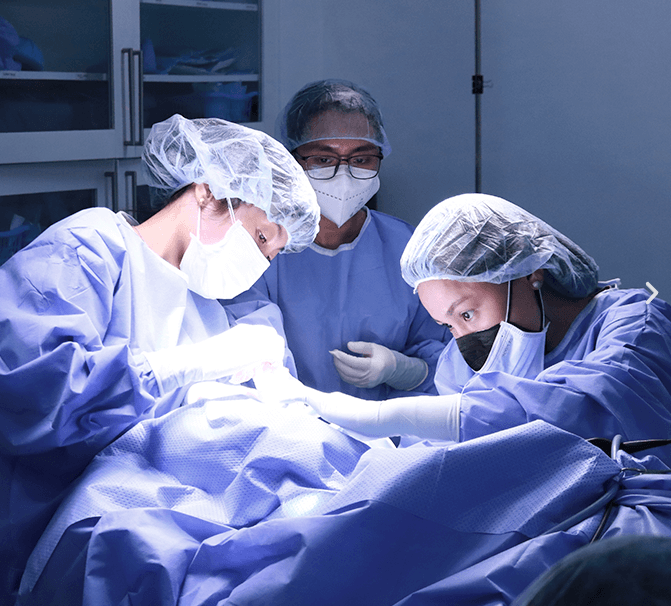
Chronic wounds can significantly affect daily life, mobility, and overall health. Managing these wounds requires more than general medical attention. A wound physician specializes in diagnosing, treating, and managing wounds that are slow to heal or prone to complications. With advanced knowledge, specialized techniques, and patient-centered care, a wound physician ensures recovery is safe, effective, and sustainable.
Patients across Quezon City and Metro Manila have increasingly recognized the value of consulting a wound physician, especially for conditions like diabetic ulcers, pressure injuries, venous ulcers, and post-surgical wounds. Choosing a qualified wound physician can prevent complications, reduce healing time, and improve overall quality of life.
Who is a Wouwound physiciannd Physician?
A wound physician is a medical professional trained to manage complex, chronic, or non-healing wounds. Unlike general practitioners or standard surgeons, a wound physician focuses entirely on wound care, combining medical expertise with practical strategies to accelerate recovery.
Wound physicians often undergo specialized training in wound management techniques, infection control, and the use of advanced therapies such as negative pressure wound therapy and ultrasonic-assisted debridement. They are skilled in assessing the underlying causes of chronic wounds, which may include diabetes, poor circulation, infections, or prolonged immobility.
Patients benefit from a holistic approach when seeing a wound physician. Treatments are not only about closing the wound but also about enhancing overall health, preventing recurrence, and educating patients on proper care.
Common Types of Wounds Treated by a Wound Physician
Wound physicians treat a wide range of wounds that may not respond to standard care:
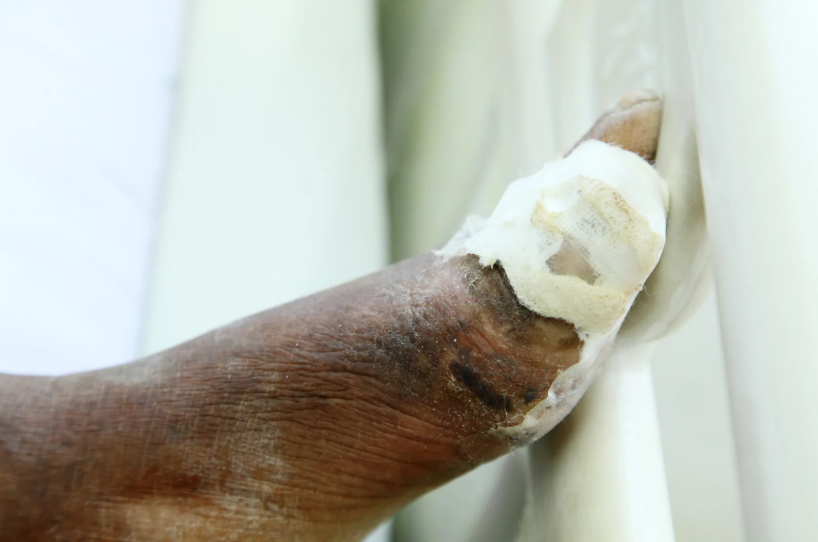
- Diabetic ulcers and foot complications: These wounds occur due to nerve damage and poor circulation. A wound physician carefully monitors these ulcers to prevent infections and complications that could lead to amputation.
- Pressure injuries and bedsores: Bedridden or immobile patients are at risk for pressure injuries. Wound physicians create customized care plans to reduce pressure, improve circulation, and promote healing.
- Venous ulcers: Poor blood flow in the legs can cause chronic wounds. A wound physician develops strategies to manage circulation and protect affected tissues.
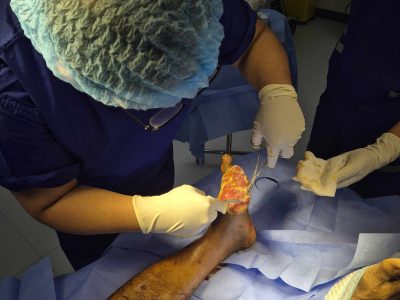
- Post-surgical wounds: Surgical wounds may fail to heal properly due to infection, underlying conditions, or poor tissue regeneration. A wound physician ensures proper monitoring and advanced wound care techniques to speed recovery.
- Chronic non-healing wounds: These wounds resist conventional treatment and require specialized management plans from a wound physician.
By targeting the specific cause of each wound, a wound physician can achieve better results than general wound care approaches.
Advanced Treatments Offered by a Wound Physician
Wound physicians utilize modern therapies to enhance recovery and prevent complications:
- Negative Pressure Wound Therapy (NPWT): NPWT accelerates healing by applying controlled suction to remove fluids, reduce swelling, and improve circulation around the wound.
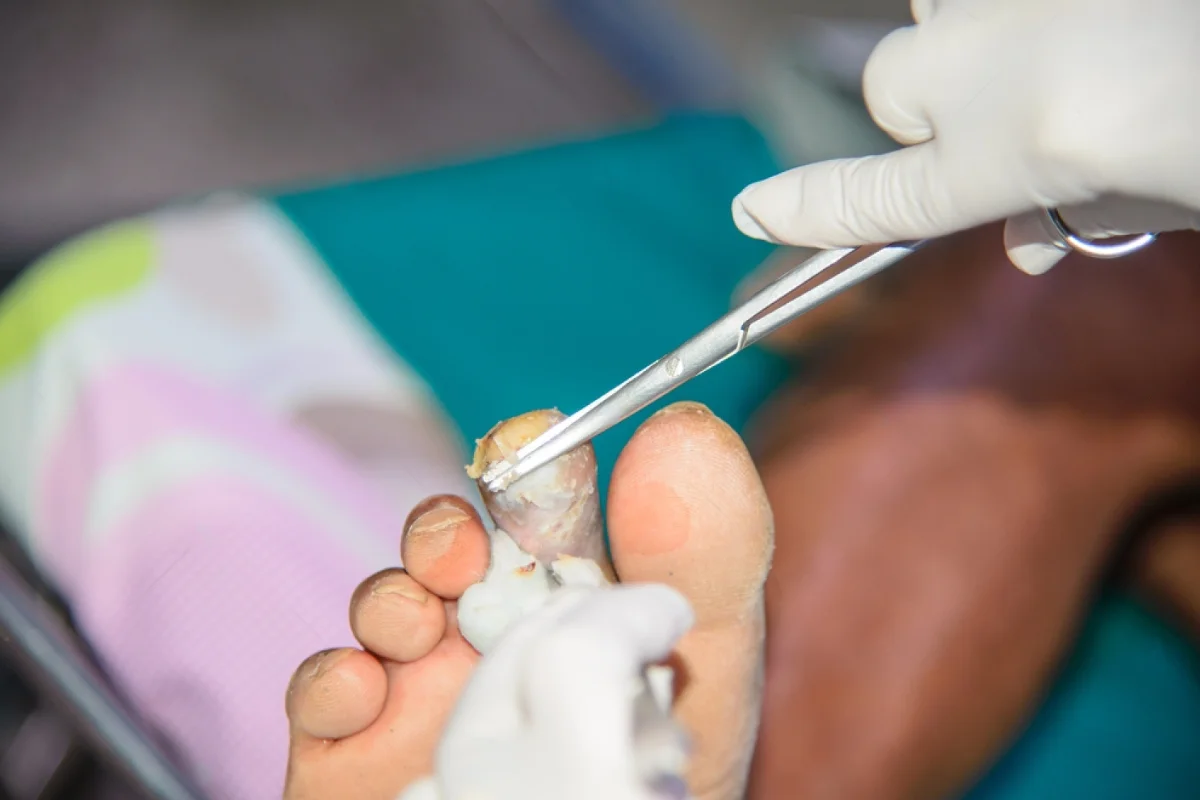
- Ultrasonic-Assisted Debridement: This technique uses ultrasound to remove dead tissue safely and efficiently, minimizing pain and promoting faster healing.
- Customized Wound Dressings: Each wound requires a unique dressing strategy. Wound physicians select materials and designs that optimize moisture balance, protect from infection, and allow comfortable movement.
- Infection Management: Chronic wounds are prone to infections that can delay healing. A wound physician monitors infection markers, prescribes appropriate antibiotics, and provides guidance to prevent recurrence.
- Patient Education and Home Care Guidance: A wound physician trains patients and caregivers on proper dressing changes, hygiene, nutrition, and lifestyle adjustments to support healing at home.
These advanced treatments combine technology with expertise, ensuring patients achieve better outcomes safely.
Benefits of Consulting a Wound Physician
Patients see measurable improvements when consulting a wound physician:
- Faster Healing and Reduced Complications: Specialized care accelerates recovery and lowers the risk of infection, sepsis, or amputation.
- Personalized Care Plans: A wound physician creates tailored treatment strategies based on the patient’s health, wound type, and lifestyle.
- Prevention of Severe Outcomes: Early intervention by a wound physician can prevent worsening wounds and long-term disability.
- Continuous Guidance and Support: Patients receive step-by-step instructions, ongoing monitoring, and practical advice from a wound physician to ensure lasting results.
These benefits highlight why chronic or complex wound cases should always involve a wound physician rather than standard care alone.
How to Choose the Right Wound Physician
Selecting a qualified wound physician is crucial for optimal results. Consider these factors:
- Credentials and Training: Look for a board-certified physician with specialized training in wound care, including international certifications if possible.
- Experience with Complex Wounds: Ensure the physician has a proven record in managing diabetic ulcers, pressure injuries, and chronic wounds.
- Access to Advanced Treatments: A wound physician should have modern technologies like NPWT, ultrasonic debridement, and advanced dressing options.
- Patient Reviews and Testimonials: Feedback from previous patients can help gauge the physician’s effectiveness, bedside manner, and overall care quality.
- Accessibility and Affordability: Choose a wound physician whose clinic is convenient, provides follow-ups, and offers affordable packages for continuous care.
A careful selection process ensures patients receive the highest standard of care from a skilled wound physician.
Wound Prevention Tips from a Wound Physician
A wound physician not only treats wounds but also helps prevent them. Practical tips include:
- Maintain Proper Hygiene: Clean wounds gently and regularly to avoid infections.
- Manage Underlying Conditions: Control blood sugar levels, blood pressure, and circulation issues to support healing.
- Use Protective Measures: Bedridden patients should be repositioned frequently to prevent pressure injuries.
- Nutrition and Lifestyle: Adequate protein intake, vitamins, and hydration support tissue regeneration.
- Early Recognition of Wound Changes: Notice redness, swelling, odor, or increased pain and contact a wound physician promptly.
Following these steps under guidance from a wound physician reduces recurrence and promotes long-term health.
FAQs About Wound Physicians
Q: Who should consult a wound physician?
A: Anyone with chronic, slow-healing, or complicated wounds, including diabetic ulcers, bedsores, venous ulcers, and post-surgical wounds.
Q: What treatments does a wound physician provide?
A: Treatments include advanced wound debridement, negative pressure wound therapy, customized dressings, infection control, and patient education for home care.
Q: How soon can I see results?
A: Healing depends on the type and severity of the wound, but a wound physician typically provides noticeable improvement within weeks of specialized care.
Q: Are services affordable?
A: Many clinics offer packages designed for different income levels, ensuring accessible and continuous care.
Q: Can a wound physician assist with home care?
A: Yes. Wound physicians educate patients and caregivers on proper wound management, dressing changes, and preventive measures at home.
Q: How often should follow-up visits occur?
A: Follow-ups vary by wound type and healing progress. A wound physician will provide a schedule based on the patient’s condition to ensure consistent recovery.