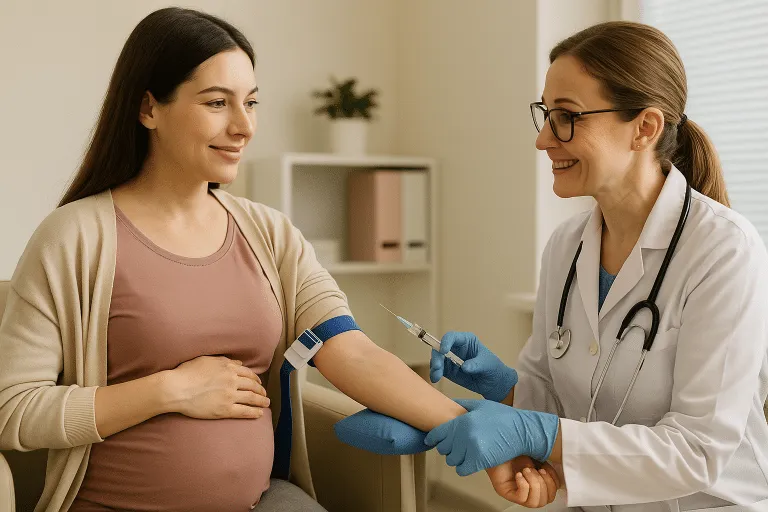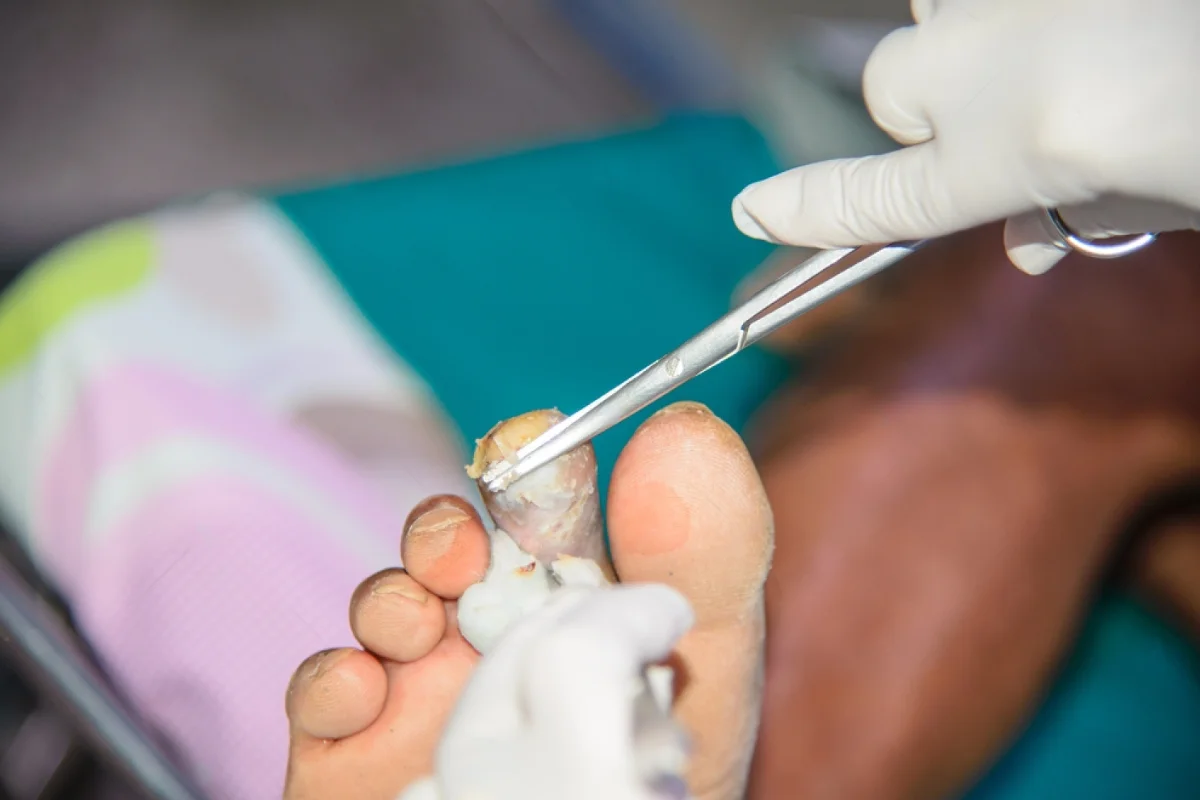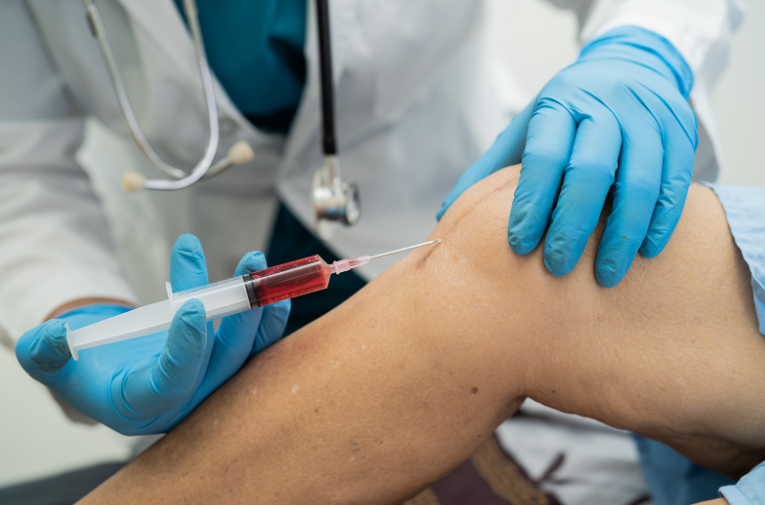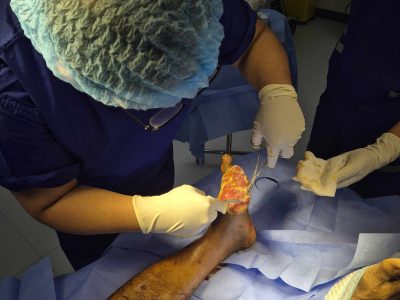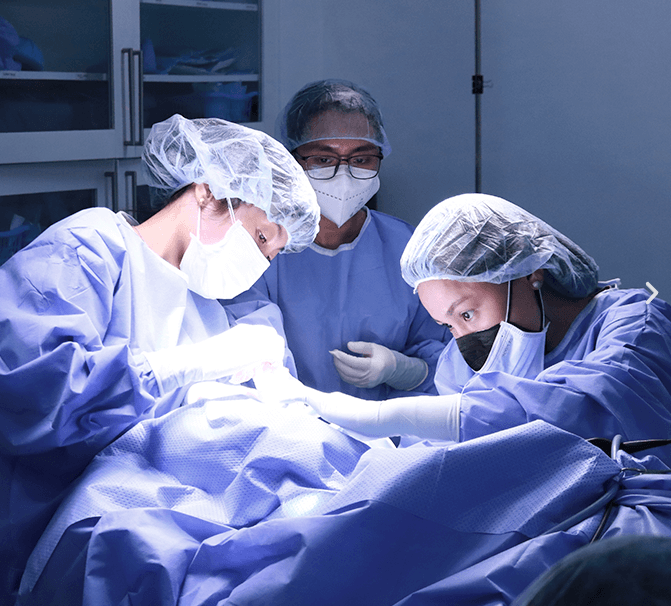
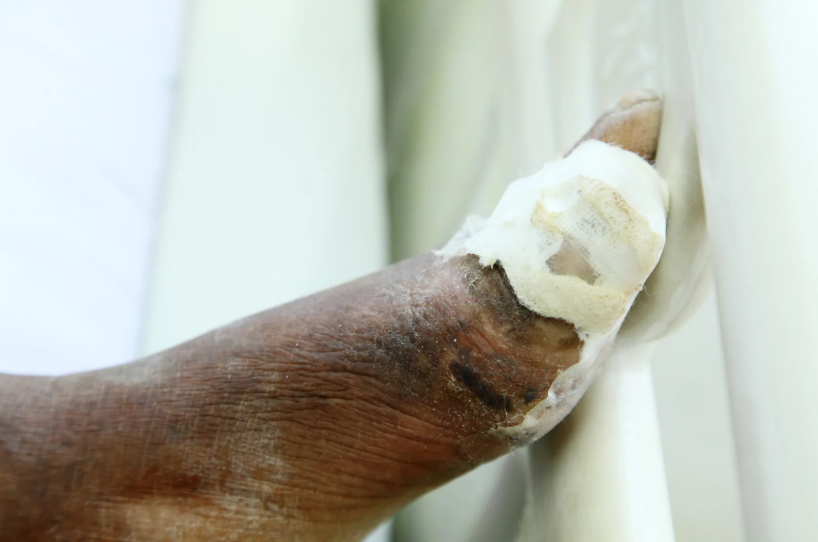
Chronic wounds, surgical wounds, and pressure sores require more than routine medical care. A wound physician specializes in managing these difficult-to-heal injuries, providing targeted treatment that promotes recovery, prevents complications, and improves quality of life. Seeking the guidance of a skilled wound physician ensures that wounds are properly evaluated, treated, and monitored, giving patients the best chance for successful healing.
Who is a Wound Physician?
A wound physician is a medical professional trained to diagnose, treat, and manage chronic or complex wounds. Unlike general practitioners, wound physicians have specialized expertise in advanced wound care techniques and therapies. They assess each patient’s wound, consider underlying medical conditions such as diabetes or vascular disease, and create a comprehensive treatment plan tailored to individual needs.
Wound physicians are skilled in both surgical and non-surgical approaches to wound management. Their training often includes advanced procedures like negative pressure wound therapy, ultrasonic-assisted debridement, and specialized dressing applications. Patients benefit not only from medical precision but also from compassionate guidance, education, and follow-up care that ensures long-term wound health.
Common Conditions Managed by a Wound Physician
Diabetic Foot Ulcers
Patients with diabetes are at increased risk for chronic foot ulcers due to poor circulation and nerve damage. A wound physician evaluates these ulcers, prevents infection, and reduces the risk of amputation through early intervention and specialized care.
Pressure Injuries or Bedsores
Bedridden patients or individuals with limited mobility often develop pressure sores. A wound physician provides tailored treatment plans, repositioning strategies, and advanced therapies to promote healing and prevent further tissue damage.
Surgical Wounds That Heal Slowly
Some surgical wounds take longer to heal due to complications such as infection, poor circulation, or underlying health conditions. A wound physician identifies obstacles to healing and applies targeted therapies to restore tissue integrity efficiently.
Venous and Arterial Ulcers
Poor circulation in the legs can lead to venous or arterial ulcers. Wound physicians evaluate blood flow, recommend treatment strategies, and provide interventions that accelerate recovery while reducing the risk of recurrence.
Chronic Infections
Persistent wound infections require specialized care. A wound physician controls infection through proper wound cleaning, antibiotics, and supportive therapies, helping prevent systemic complications and promoting tissue repair.
Advanced Treatments Provided by a Wound Physician
Ultrasonic-Assisted Debridement
This technique allows precise removal of dead tissue while preserving healthy skin. Ultrasonic-assisted debridement reduces infection risk and promotes faster wound healing.
Negative Pressure Wound Therapy (NPWT)
NPWT is an effective method for improving circulation, reducing swelling, and stimulating tissue growth. Wound physicians often use NPWT for chronic, post-surgical, or difficult-to-heal wounds.
Customized Wound Dressings
Every wound is unique. Wound physicians create individualized dressing plans that optimize healing, reduce discomfort, and protect against infection.
Infection Control and Recovery Support
Prompt management of infections is critical for wound healing. A wound physician monitors the wound closely, prescribes medications when necessary, and ensures that infection does not spread or delay recovery.
Preventive Education for Long-Term Skin Health
Wound physicians educate patients and caregivers on proper wound care techniques, lifestyle adjustments, and early warning signs to prevent future complications. This proactive approach minimizes the likelihood of recurring wounds.
The Importance of Choosing a Specialist
Selecting a wound physician over general care offers clear advantages. Specialist intervention ensures faster healing, reduces complications, and preserves mobility and independence. Patients with chronic wounds often face challenges such as infection, limited movement, or potential amputation. A wound physician addresses these risks directly with advanced therapies and careful monitoring.
Beyond physical healing, wound physicians provide emotional support, helping patients cope with the stress of prolonged treatment. Education and guidance empower patients to participate actively in their recovery, improving outcomes and confidence in managing their condition.
What to Expect During Your Visit
Consultation with a wound physician begins with a thorough assessment of the wound and a review of medical history. The physician evaluates factors such as blood circulation, infection risk, wound size and depth, and underlying conditions like diabetes or vascular disease.
After the assessment, the wound physician develops a personalized treatment plan. This may include advanced therapies, dressing changes, medications, or minor procedures. Patients are guided on proper home care, nutrition, and lifestyle modifications that support healing.
Follow-up visits are essential for monitoring progress. Wound physicians adjust treatment plans as needed to ensure steady recovery and address any emerging complications promptly. The ongoing collaboration between patient and physician helps achieve the best possible healing outcomes.
Affordable and Accessible Wound Care Services
Effective wound care should be available to everyone. Wound physicians provide care tailored to various income levels, ensuring patients receive quality treatment without financial strain. Clinics often offer packages for low-income, middle-class, and high-income individuals, making advanced wound care accessible across communities.
For patients in Quezon City and Metro Manila, local wound physicians are well-equipped to provide timely consultations, follow-up care, and advanced treatments, reducing the need for travel or delayed care. Accessibility and affordability are key components of comprehensive wound management.
Takeaway
A wound physician plays a vital role in managing chronic, complex, or slow-healing wounds. Their expertise, advanced therapies, and personalized care plans help patients recover faster, reduce complications, and maintain overall health. Consulting a wound physician early can prevent worsening of wounds, improve healing outcomes, and provide peace of mind. Patients seeking compassionate, expert care in Quezon City or Metro Manila can rely on skilled wound physicians to guide them through every stage of recovery.
FAQs About Wound Physicians
Q: What types of wounds can a wound physician treat?
A: Wound physicians manage diabetic ulcers, pressure sores, surgical wounds that heal slowly, venous and arterial ulcers, and chronic infections.
Q: How is a wound physician different from a general doctor?
A: Wound physicians have specialized training in advanced wound care techniques, therapies, and ongoing monitoring that general doctors may not provide.
Q: Is care from a wound physician expensive?
A: Many clinics offer affordable wound care packages to accommodate patients from different income groups while maintaining high-quality treatment.
Q: How long does wound healing take?
A: Healing time varies based on wound type, severity, underlying conditions, and patient health. A wound physician will provide an estimated timeline during consultation.
Q: Can a wound physician help prevent future wounds?
A: Yes. Wound physicians provide education, home care instructions, and lifestyle guidance to minimize the risk of recurring wounds.
Q: What advanced treatments are available from a wound physician?
A: Treatments include ultrasonic-assisted debridement, negative pressure wound therapy, customized dressings, infection control, and patient education for long-term care.