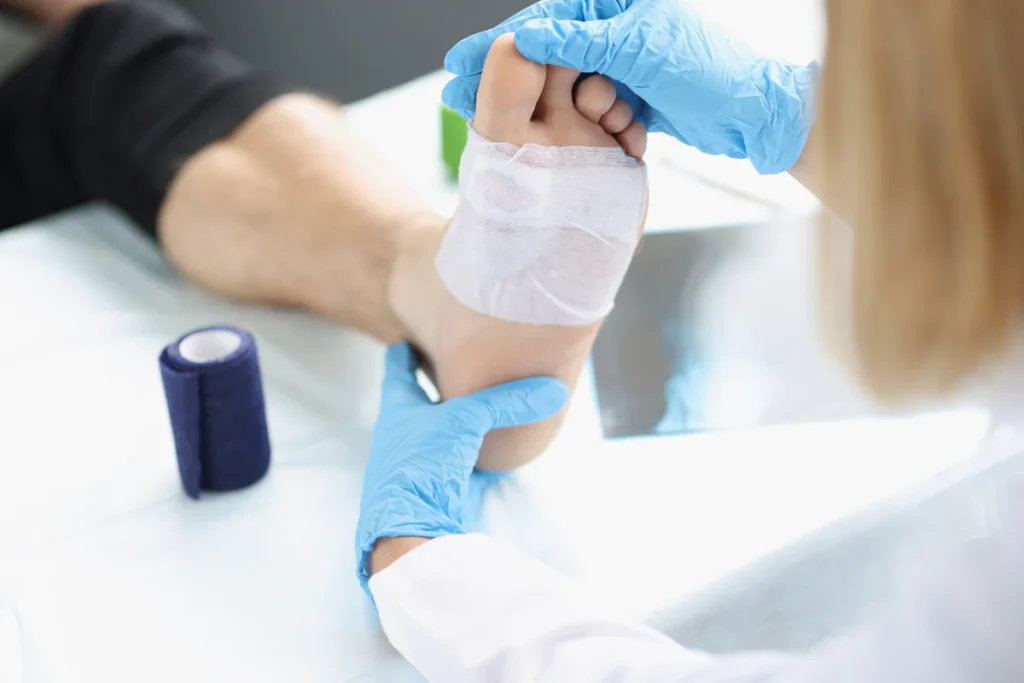
Forefoot ulcers are more than a surface-level concern; they are a sign that deeper structural and biomechanical issues may be affecting the foot. When these wounds appear beneath the toes or across the ball of the foot, they often reflect excessive pressure, friction, or unstable foot mechanics that slowly deteriorate the skin and soft tissue. Many people are surprised to learn that these ulcers do not always begin with pain, especially when nerve function is compromised. This lack of discomfort often leads to delayed care, allowing wounds to grow larger and more complicated. Orthopedic specialists approach these ulcers not only as skin problems but also as markers of internal imbalance requiring strategic correction. Their expertise in bone, tendon, and joint structure enables them to address both the wound and the root causes behind it. Understanding the nature of forefoot ulcers is essential for choosing the right treatment path and protecting long-term mobility.
Forefoot ulcers typically develop in areas that absorb the highest pressure during walking. These areas include the tips of the toes, the metatarsal heads, and the spaces between the toes. Over time, repetitive stress breaks down skin and tissue, especially when circulation or nerve function is already compromised. People with diabetes are especially vulnerable to these ulcers because their reduced sensation allows minor injuries to go unnoticed. However, anyone with poorly fitting footwear, rigid foot deformities, or high activity levels may also develop these wounds. An orthopedic perspective emphasizes how body mechanics, muscle tightness, and bone alignment influence ulcer formation. Recognizing these patterns early is a key part of preventing complications such as infection, tissue damage, and difficulty walking.
Primary Causes and High-Risk Factors
Forefoot ulcers can arise from multiple contributing factors, and understanding these risks helps individuals take proactive steps toward protection. Diabetes remains the most significant risk factor, particularly when neuropathy limits the ability to feel pain, pressure, or injury. Poor circulation also plays a major role, as reduced blood flow limits the body’s ability to heal even small wounds. Structural deformities such as bunions, hammertoes, claw toes, or high arches increase pressure on specific points, making skin breakdown more likely. Wearing shoes that are too tight, too loose, or lacking support can accelerate this pressure imbalance and cause continuous friction. Older adults and individuals with chronic medical issues also face higher risk because their skin and connective tissues are often thinner and more prone to irritation. Orthopedic specialists address these concerns by analyzing how underlying conditions interact and create an environment where wounds develop easily.
When multiple risk factors overlap, forefoot ulcers can form more quickly and heal more slowly. Daily habits, such as prolonged standing or walking on hard surfaces, further increase pressure on vulnerable areas. Weight gain can also shift the body’s natural weight distribution, intensifying stress on the forefoot. In athletes, repetitive impact from running or jumping may create hot spots that eventually open into ulcers. Understanding these risks helps patients recognize when to seek orthopedic care before a minor irritation becomes a deeper wound. Orthopedic evaluation becomes especially crucial for anyone who has experienced recurring ulcers, as this cycle often signals a deeper biomechanical imbalance. By identifying how lifestyle choices, footwear, and physical structure interact, providers can create solutions tailored to each patient’s needs.
Role of Orthopedic Specialists in Forefoot Ulcer Care
Orthopedic specialists bring a comprehensive understanding of the foot’s structure, making them uniquely equipped to evaluate both soft tissue and bone-related causes of ulcers. During examination, they assess gait patterns, alignment, joint mobility, and areas of high pressure that contribute to ulcer development. Imaging tools such as X-rays, ultrasound, or MRI may be used to detect hidden infections, deformities, or joint abnormalities. This detailed assessment allows for a more targeted and effective plan that goes beyond surface wound care. Many ulcers persist because only the skin is treated while the deeper issues remain unaddressed. Orthopedic specialists correct this gap by combining wound management with biomechanical correction.
Their approach aims to restore balance, reduce pressure, and prevent further tissue breakdown. For diabetic patients, orthopedic care is especially valuable because nerve damage can disguise symptoms until the ulcer becomes severe. Preventing long-term complications such as bone infection or limb damage requires expertise in both bone and soft tissue interaction. Orthopedic specialists guide patients in understanding how daily habits, footwear, and movement patterns influence ulcer severity. Their role extends beyond treatment to long-term prevention and education, empowering patients with strategies to protect their feet for years to come.
Comprehensive Orthopedic Treatment for Forefoot Ulcers
Orthopedic treatment for forefoot ulcers involves a combination of wound care, pressure relief, and structural correction to support full recovery. These treatments are tailored to each patient’s specific condition, ensuring that the wound heals while reducing the risk of recurrence. Many patients experience significant improvement once pressure points are identified and addressed. Proper offloading, supportive devices, and corrective procedures all play important roles in enhancing tissue healing. Orthopedic specialists closely monitor progress to adjust treatment plans as the wound evolves. This individualized approach ensures long-term success by addressing both the symptoms and the underlying biomechanical causes.
Key Components of Orthopedic Care
Here are important elements commonly included in treatment plans:
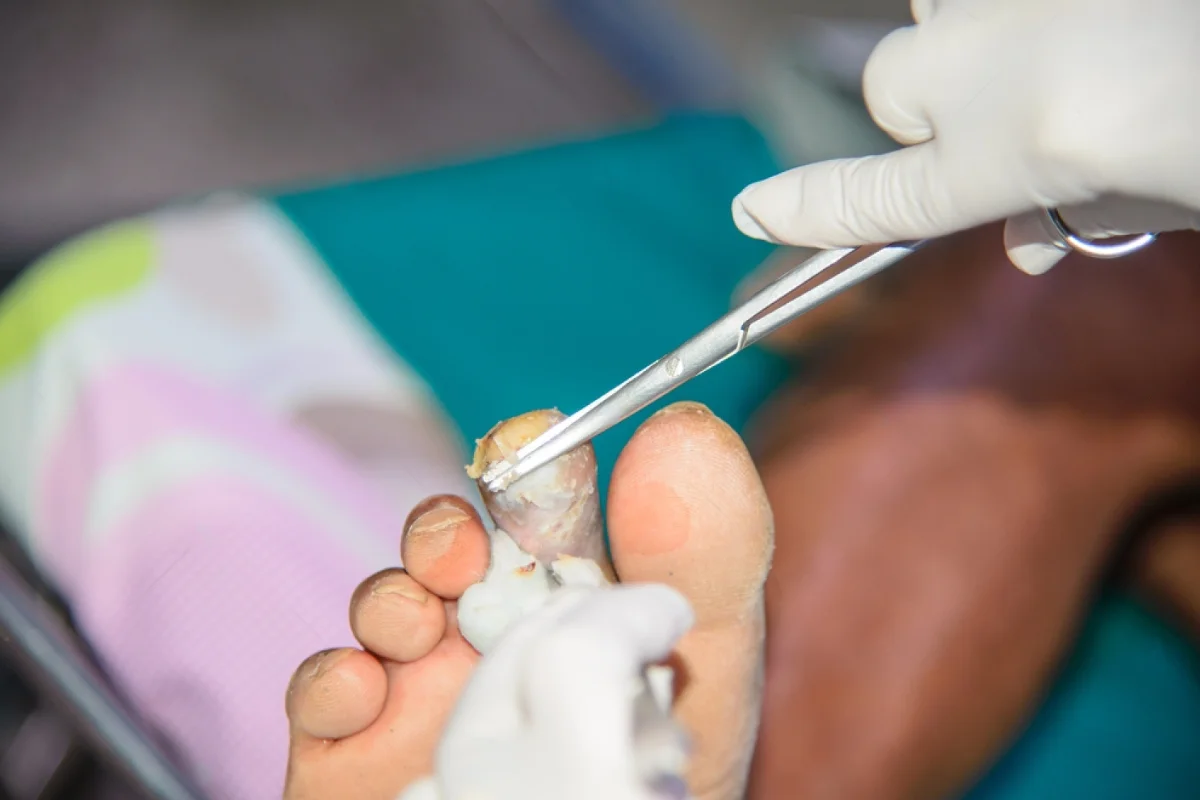
• Debridement to remove damaged tissue and promote healthy regrowth
• Offloading techniques to reduce pressure on affected areas
• Custom orthotics designed to redistribute weight
• Protective footwear created to prevent friction and irritation
• Infection management to support healing
Advanced Wound Care Techniques
Wound care focuses on cleaning the ulcer, removing dead tissue, and supporting a healing environment. Modern dressings may be used to maintain moisture balance, protect the area, and stimulate tissue regeneration. Frequent evaluations help monitor signs of infection or delayed healing, allowing timely adjustments to treatment. When bacteria or deeper tissue involvement is suspected, antibiotics or specialized dressings may be needed. Orthopedic specialists collaborate with wound care teams to ensure that both internal and external factors are managed appropriately. As the wound heals, the focus gradually shifts toward long-term protection and stabilization. This combined strategy supports strong, healthy tissue recovery.
Biomechanical Correction and Offloading
Biomechanical strategies reduce stress on the ulcer site, allowing tissue to repair itself without repeated trauma. Custom orthotic devices are often recommended because they realign pressure distribution across the foot. Specialized footwear, including rocker-bottom shoes or extra-depth designs, improves stability and reduces friction. Padding and cushioning further protect sensitive areas during movement. Offloading may also include removable boots or braces for more severe ulcers or for patients with balance concerns. Orthopedic specialists adjust these devices over time to ensure optimal support throughout the healing process. When offloading is effective, many ulcers begin to close more quickly and with fewer complications.
Surgical Interventions
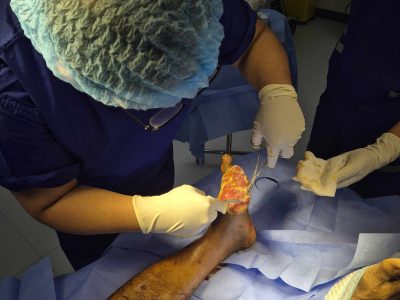
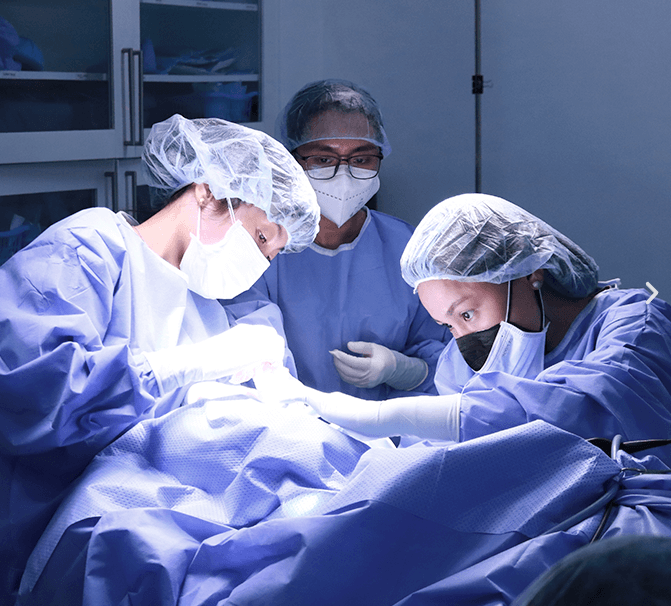
When conservative treatments do not fully resolve the cause of the ulcer, surgical intervention may be considered. Surgery is typically aimed at correcting deformities such as hammertoes, bunions, or tight tendons that repeatedly create pressure in the same spot. By realigning joints or adjusting soft tissue tension, surgeons can distribute weight more evenly across the forefoot. Secondary goals include restoring mobility, preventing recurrent ulcers, and reducing chronic pain. Minimally invasive procedures may offer shorter recovery periods for certain candidates. Throughout the healing period, orthopedic specialists guide patients in safe movement and appropriate offloading techniques. These procedures can significantly reduce long-term ulcer recurrence by addressing root-level structural problems.
Preventive Orthopedic Strategies to Avoid Recurrence
Prevention plays a central role in orthopedic care because recurrence is common when the original cause remains unaddressed. Orthopedic specialists emphasize proper footwear as a primary preventive strategy. Shoes that provide adequate cushioning, stability, and toe space can reduce friction and pressure. Daily foot inspection helps identify early signs of irritation before they develop into open wounds. For individuals with diabetes, regular monitoring is essential because neuropathy can mask warning signs. Weight management and activity modification may also be recommended to reduce stress on the forefoot. Long-term follow-up with an orthopedic specialist ensures that orthotics and footwear remain effective as the foot changes over time. These preventive strategies help maintain healthier feet and greater mobility.
How Lifestyle and Daily Habits Support Healing
Lifestyle adjustments can significantly improve the effectiveness of orthopedic treatment for forefoot ulcers. Blood sugar control is vital for diabetic patients because elevated glucose interferes with healing and increases infection risks. Regular exercise can support circulation and overall foot health, provided movements do not increase pressure on vulnerable areas. Stretching and strengthening routines recommended by orthopedic providers can improve gait mechanics. Weight management reduces strain on the forefoot and enhances the impact of orthotics and footwear. Protective routines such as moisturizing, avoiding barefoot walking, and choosing socks without seams can also help prevent irritation. When combined with orthopedic care, these habits contribute to long-term foot stability and reduced recurrence rates.
Frequently Asked Questions
What are early warning signs of a forefoot ulcer?
Look for redness, calluses, persistent pressure marks, or small openings in the skin. Reduced sensation may make these signs easy to miss, so visual inspection is important.
How long does healing take when orthopedic treatment is used?
Healing times vary based on severity, circulation, and overall health. Many ulcers improve significantly within weeks when pressure is relieved effectively.
Can custom orthotics fully prevent ulcers?
Although they significantly reduce risk, no device can guarantee complete prevention. Orthotics work best when combined with proper footwear and daily care.
Is surgery always needed?
Surgery is reserved for cases where deformities or structural issues continually reopen the same area. Many patients improve without surgery.
How do I choose a qualified orthopedic specialist?
Look for providers with experience in foot and ankle conditions, especially those who frequently treat diabetic or pressure-related ulcers.
Takeaway
Orthopedic treatment for forefoot ulcers provides a powerful combination of wound healing, biomechanical correction, and long-term protection. By understanding the underlying causes and addressing them through specialized care, patients can regain comfort, stability, and mobility. With the right blend of orthotics, footwear, lifestyle adjustments, and medical guidance, healing becomes more predictable and recurrence becomes far less likely.