Temporomandibular joint disorder, commonly referred to as TMD, affects the jaw’s ability to move naturally, making tasks like chewing, speaking, and even yawning difficult. Many people mistakenly call it “TMJ,” which is actually the name of the joint itself. TMJ dysfunction affects more than 10 million people in the United States, with women between the ages of 20 and 40 being the most commonly diagnosed. Residents of Fishers now have access to expert TMJ treatment Fishers at Osteopractic Physical Therapy of Central Indiana, offering effective solutions for jaw pain and limited mobility.
TMJ disorders can range from mild discomfort to severe pain that impacts daily life. Recognizing the signs and understanding treatment options is crucial for long-term relief. Physical therapy is a trusted approach that targets the root causes of TMJ dysfunction, helping patients regain jaw function and reduce discomfort without surgery.
What Is TMJ Dysfunction?
TMJ dysfunction occurs when the temporomandibular joint, the hinge connecting the jaw to the skull, experiences stress, injury, or misalignment. Causes of TMJ dysfunction can include genetics, arthritis, jaw injury, chronic teeth grinding, jaw clenching, or poor posture. These factors may lead to inflammation, restricted movement, and discomfort around the jaw, face, and neck.
Symptoms often vary between individuals. Common signs include jaw pain, stiffness, difficulty opening or closing the mouth, clicking or popping sounds when moving the jaw, headaches, ear pain, and even neck tension. Some cases may develop a condition called lockjaw, where muscles surrounding the jaw spasm and prevent normal movement. Because symptoms can overlap with other conditions such as trigeminal neuralgia, salivary gland disorders, or swollen lymph nodes, professional evaluation is essential. TMJ treatment Fishers focuses on identifying the specific factors contributing to jaw dysfunction and developing a treatment plan tailored to each patient.
How TMJ Dysfunction Is Diagnosed
Diagnosis of TMJ dysfunction often requires a detailed assessment. Doctors may refer patients to an otolaryngologist (ENT) or a dentist specializing in jaw disorders to rule out conditions with similar symptoms. Evaluating the jaw’s range of motion, muscle tension, bite alignment, and history of injury provides insight into the underlying cause of the pain. Imaging tests may also be ordered to examine the joint’s structure.
Because TMJ disorders can result from multiple factors, diagnosis can take time. A thorough evaluation ensures that the treatment addresses the root cause of discomfort rather than only alleviating symptoms. Patients seeking TMJ treatment Fishers can expect a comprehensive approach that considers the jaw, neck, and surrounding muscles to restore function effectively.
Home Remedies and Temporary Relief
Some mild cases of TMJ dysfunction respond well to home remedies. Over-the-counter pain medications can help reduce inflammation and alleviate discomfort. Applying ice packs to the jaw may also provide temporary relief, especially after activities that involve chewing or speaking. Gentle stretching exercises and relaxation techniques can reduce jaw tension and improve mobility. Certain essential oils, when applied carefully, may offer short-term relief, though they do not treat the underlying cause of TMJ dysfunction.
While home remedies can be helpful for minor discomfort, long-term relief often requires professional treatment. Patients experiencing persistent pain, difficulty opening the mouth, or frequent jaw clicking may need specialized care. TMJ treatment Fishers at Osteopractic Physical Therapy provides targeted interventions designed to improve jaw function and reduce pain, addressing both the symptoms and the underlying causes.
Physical Therapy for TMJ Treatment Fishers
Physical therapy plays a vital role in managing TMJ dysfunction. At Osteopractic Physical Therapy of Central Indiana, therapists focus on reducing pain, restoring mobility, and preventing further jaw stress. Physical therapy offers a non-surgical approach to TMJ disorders, helping patients regain control over their jaw movements and improve quality of life.
Treatment begins with a thorough evaluation of jaw mobility, posture, and muscle tension in the head, neck, and shoulders. Therapists develop individualized plans that may include manual therapy, jaw exercises, soft tissue massage, myofascial release techniques, and dry needling. Therapeutic modalities such as heat, cold, and electrical stimulation may be used to reduce pain and inflammation.
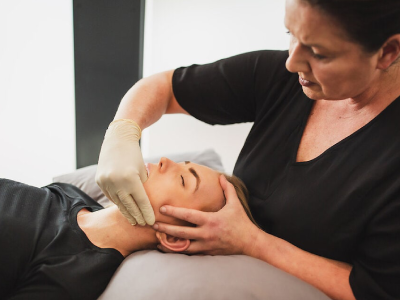
Manual therapy is a cornerstone of TMJ treatment Fishers. Gentle hands-on techniques release tension in tight muscles, improve joint alignment, and increase mobility. Jaw exercises help strengthen the muscles supporting the joint and encourage proper movement patterns. Dry needling targets muscle knots that contribute to pain and restricted motion, providing relief and supporting recovery.
Physical therapy also addresses contributing factors such as poor posture and habitual jaw clenching. Therapists educate patients on strategies to minimize stress on the jaw during daily activities, helping prevent recurrence of symptoms. Each treatment plan is designed to achieve measurable improvements, restore normal jaw function, and reduce discomfort.
Benefits of Choosing OPTCI for TMJ Treatment Fishers
Osteopractic Physical Therapy of Central Indiana offers specialized TMJ treatment Fishers that focuses on long-term results. Experienced therapists evaluate jaw function, surrounding muscles, and posture to develop a comprehensive care plan. Patients benefit from a combination of hands-on therapy, exercise, and patient education that targets the root causes of jaw pain.
Choosing OPTCI ensures access to non-invasive interventions that promote healing and comfort. Unlike temporary fixes, physical therapy aims to restore proper jaw function, reduce tension, and improve daily performance. Patients can expect relief from pain, increased range of motion, and strategies to prevent future TMJ issues. The clinic’s location in Fishers makes it convenient for residents seeking expert care without traveling far.
What to Expect During Your First Visit
A first visit for TMJ treatment Fishers begins with a detailed assessment of your jaw, neck, and posture. Therapists review your medical history, symptoms, and previous treatments to understand the scope of the condition. The evaluation may include tests of jaw mobility, muscle strength, and alignment.
After the assessment, a personalized treatment plan is created. This plan outlines specific interventions, exercises, and techniques aimed at relieving pain, restoring function, and improving overall jaw health. Patients receive education on proper posture, habits to reduce jaw strain, and self-care strategies that support therapy outcomes. Follow-up sessions focus on progress, adjustments to therapy, and continued improvement in jaw movement and comfort.
Success Stories from TMJ Treatment Fishers
Patients at Osteopractic Physical Therapy of Central Indiana often report significant improvements in comfort and function after completing TMJ treatment Fishers. Many experience reduced jaw pain, improved ability to chew and speak, and less tension in the neck and shoulders. Personalized therapy plans ensure that each patient’s specific needs are addressed, leading to lasting results.
Success stories highlight the effectiveness of combining manual therapy, exercises, and targeted modalities to achieve measurable improvements. Physical therapy not only reduces symptoms but also enhances overall quality of life by restoring normal jaw movement and minimizing daily discomfort.
Tips for Maintaining Jaw Health
After completing TMJ treatment Fishers, maintaining jaw health is essential to prevent recurrence. Patients can incorporate the following habits into daily routines:
- Practice good posture, especially when sitting or working at a desk
- Avoid excessive chewing on hard foods or gum
- Use stress-reduction techniques to minimize jaw clenching
- Perform recommended jaw exercises regularly
- Attend follow-up appointments to monitor progress
Maintaining these habits complements physical therapy and supports ongoing relief from TMJ dysfunction.
Schedule Your TMJ Treatment Fishers Today
Jaw pain and stiffness should not limit your daily life. Osteopractic Physical Therapy of Central Indiana offers specialized TMJ treatment Fishers designed to relieve discomfort, restore movement, and improve quality of life. Therapists provide hands-on care, personalized exercises, and ongoing support to ensure lasting results. Contact OPTCI to schedule an appointment and begin a path toward pain-free jaw function.
Frequently Asked Questions About TMJ Treatment Fishers
What causes TMJ dysfunction?
TMJ dysfunction can result from genetics, arthritis, jaw injury, teeth grinding, poor posture, or chronic jaw clenching. Stress and muscle tension may also contribute to symptoms.
Can TMJ disorders resolve without treatment?
Mild cases may improve with home remedies, but persistent pain, limited jaw mobility, or recurring discomfort often require professional intervention like physical therapy.
Is TMJ treatment Fishers painful?
Physical therapy for TMJ dysfunction is generally gentle. Some techniques, such as dry needling or manual therapy, may cause minor discomfort but are designed to reduce pain and improve mobility.
How long does it take to see results from TMJ treatment Fishers?
Improvement varies by individual. Many patients notice reduced pain and improved jaw movement within a few weeks, while full recovery may take several months depending on severity.
Are dental interventions necessary along with physical therapy?
Some patients may benefit from dental splints to reduce teeth grinding or improve alignment. Physical therapy often complements these interventions by addressing muscle tension and joint mobility.
Can TMJ treatment Fishers prevent future jaw problems?
Yes. Physical therapy teaches patients exercises, posture habits, and self-care strategies that reduce strain on the jaw and help prevent recurrence of TMJ symptoms.