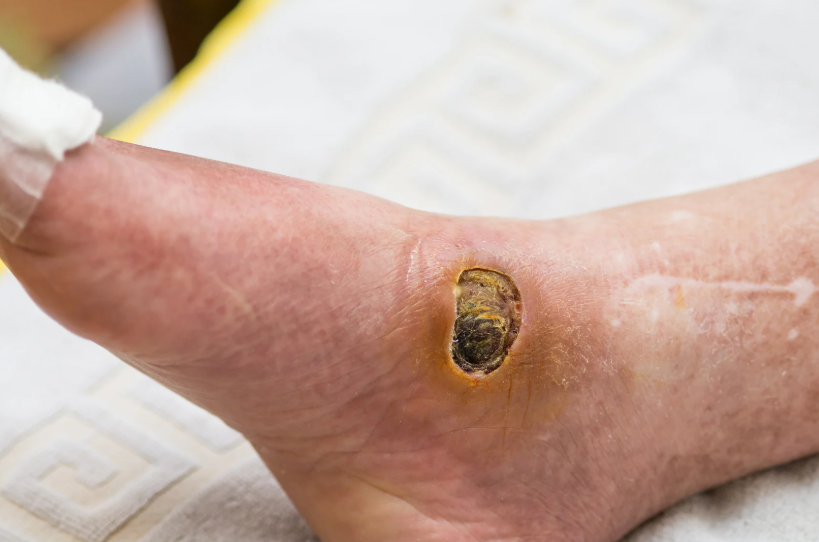
Proper wound care is essential for preventing infections and ensuring faster recovery. In the Philippines, where tropical climates and high humidity can increase the risk of wound contamination, taking early and effective action is crucial. Kalingap Wound Care offers expert guidance and services to help individuals maintain proper hygiene and care for their wounds, reducing the risk of complications.
Understanding Wounds and Their Risks
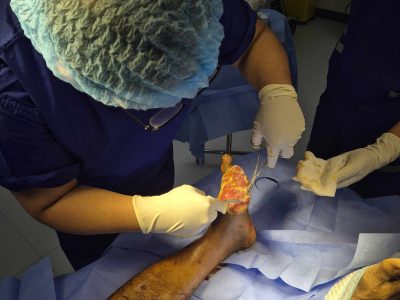
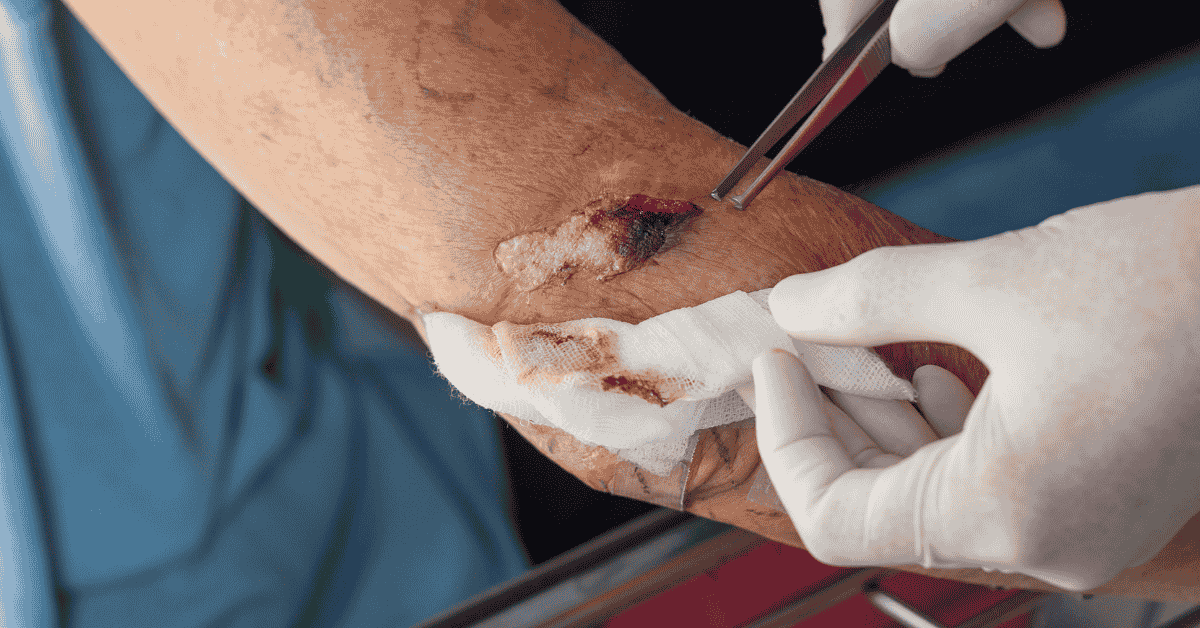
Wounds come in various forms, including cuts, abrasions, puncture wounds, and surgical incisions. Minor wounds may appear superficial, but they can still become infected if not managed properly. Major wounds, such as deep lacerations or post-surgical injuries, require careful attention to prevent complications like sepsis or prolonged healing. Tropical climates in the Philippines can promote bacterial growth, making professional wound care essential. Kalingap Wound Care specializes in managing all types of wounds to ensure optimal healing.
The Importance of Early Wound Care
Immediate attention to a wound is the first step in preventing infection. Early wound care Philippines practices involve cleaning the wound thoroughly, applying appropriate dressings, and monitoring for signs of infection. Addressing wounds promptly minimizes the risk of bacteria entering the body and supports faster tissue repair. Kalingap Wound Care emphasizes early intervention, ensuring that patients receive the best possible treatment at the right time.
Step-by-Step Guide to Proper Wound Care
Cleaning the wound is the foundation of infection prevention. Use clean water or an approved antiseptic to rinse away dirt and debris. Avoid harsh chemicals that can damage tissue. After cleaning, dressing the wound appropriately is crucial. Select bandages or gauze that protect the area while allowing airflow to support healing. Monitor the wound for signs of infection, such as redness, swelling, pus, or increased pain. If these symptoms appear, it is essential to consult a professional immediately. Kalingap Wound Care provides expert assessment and advanced treatment options to manage infections and promote healing effectively.
Common Mistakes in Wound Care to Avoid
Many individuals make errors that compromise wound healing. Using unsterilized tools, home remedies, or improper dressings can increase infection risks. Ignoring early warning signs or delaying professional consultation often worsens the condition. Reusing bandages or failing to keep the wound clean can prolong recovery and increase discomfort. Kalingap Wound Care educates patients on avoiding these mistakes and provides hands-on guidance to ensure safe wound management.
Professional Wound Care in the Philippines
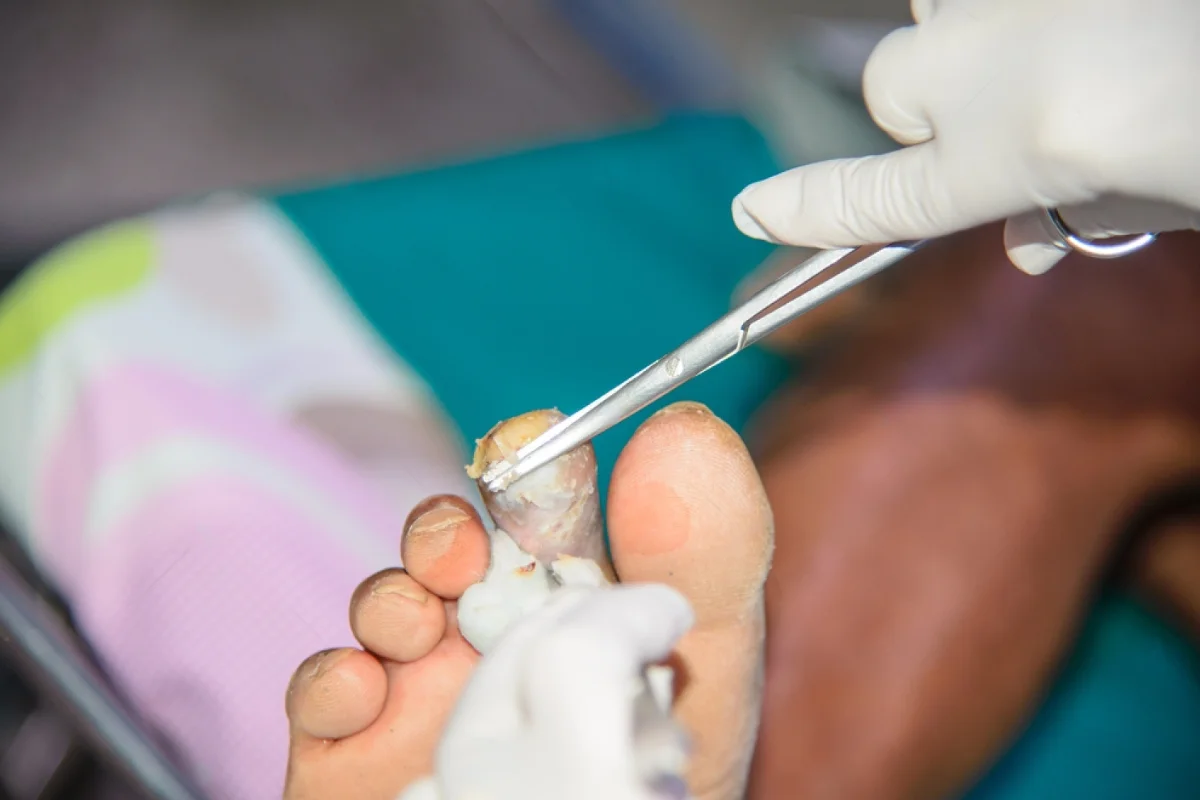
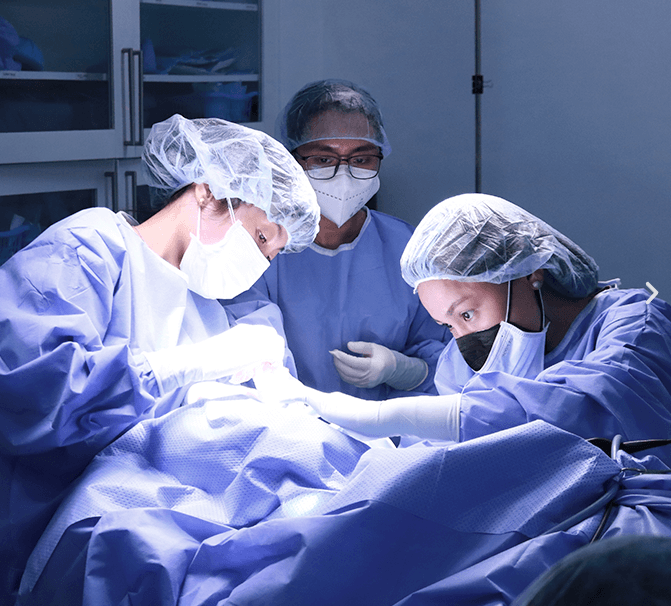
Professional wound care Philippines services are essential, especially for high-risk wounds, chronic injuries, or patients with underlying health conditions. Clinics like Kalingap Wound Care offer specialized care using sterilized tools, medically approved dressings, and trained professionals who monitor healing progress closely. Consulting a wound care expert reduces complications, ensures proper infection control, and promotes faster recovery.
Wound Care Products and Technology
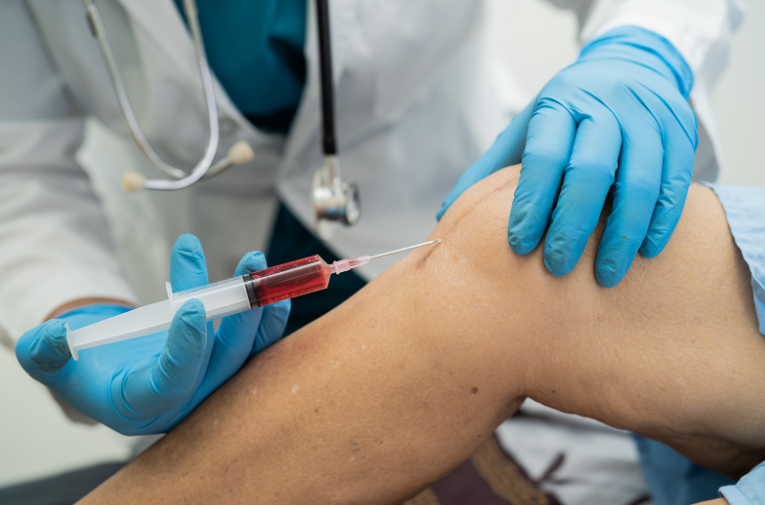
Effective wound management often involves the use of specialized products. Antiseptics, antibiotic creams, hydrocolloid dressings, and antimicrobial gels are commonly recommended. Innovative technologies, including advanced wound dressings and telemedicine consultations, help patients access professional care without delay. Kalingap Wound Care utilizes modern wound care technologies to provide patients with optimal treatment options tailored to their specific needs.
Maintaining Overall Skin Health for Faster Recovery
Healthy skin supports faster wound healing and infection prevention. Proper nutrition, adequate hydration, and good hygiene are critical factors. Avoid activities that may reopen or aggravate wounds, and follow professional guidance for dressing changes and care routines. Kalingap Wound Care offers comprehensive advice and monitoring to ensure patients maintain overall skin health during recovery.
Takeaway
Early and proper wound care Philippines practices are vital for preventing infections and ensuring efficient recovery. Individuals who act promptly, follow professional guidance, and avoid common mistakes are more likely to experience smooth healing without complications. Kalingap Wound Care provides reliable services, expert advice, and advanced treatment options to help patients manage wounds effectively and safely.
FAQ
Q1: What should I do immediately after getting a wound?
Clean the wound with clean water or an approved antiseptic, apply a protective dressing, and monitor for signs of infection. Seeking professional consultation at Kalingap Wound Care is recommended for proper assessment.
Q2: How can I tell if a wound is infected?
Signs of infection include redness, swelling, warmth, pus, foul odor, and increased pain. Fever may also indicate a serious infection. Consult a wound care expert promptly if any of these occur.
Q3: Can minor wounds heal without professional care?
While some minor wounds may heal on their own, professional wound care Philippines services reduce the risk of infection and ensure faster, safer recovery. Kalingap Wound Care is available for assessment and treatment.
Q4: What products are safe for wound care in the Philippines?
Use antiseptics, sterile gauze, hydrocolloid dressings, and antimicrobial creams. Avoid unverified home remedies or harsh chemicals that may worsen the wound.
Q5: When should I seek a doctor for wound care?
Seek professional help if the wound is deep, bleeding heavily, shows signs of infection, or does not heal within a few days. Kalingap Wound Care offers expert services to manage all types of wounds safely.