Eye health is a crucial aspect of overall wellness, yet conditions like uveitis often go unnoticed until symptoms become serious. Uveitis is a form of eye inflammation that affects the uvea, the middle layer of the eye, but it can also impact other parts, including the retina, lens, and optic nerve. Left untreated, uveitis can lead to permanent vision loss. Early diagnosis and proper management are essential, which is why Uveitis Treatment at specialized centers like Peregrine Eye and Laser Institute is vital.
Peregrine Eye and Laser Institute provides expert Uveitis Treatment using advanced technology, highly trained specialists, and a patient-focused approach. This article will guide you through understanding uveitis, recognizing its symptoms, exploring treatment options, and learning why Peregrine Eye and Laser Institute is a trusted provider of Uveitis Treatment in Metro Manila.
What is Uveitis?
Uveitis is inflammation that affects the uvea, a critical layer of the eye responsible for supplying blood to the retina and maintaining eye function. While the uvea is the primary area affected, inflammation often extends to other eye structures, including the retina, vitreous, and lens. Uveitis can develop suddenly or gradually and may occur in one or both eyes.
The condition is considered serious because untreated inflammation can cause complications such as glaucoma, cataracts, retinal detachment, or permanent vision loss. Uveitis Treatment aims to reduce inflammation, manage symptoms, and prevent long-term damage to eye structures.
Uveitis can affect people of all ages, from children to adults. Recognizing the condition early and seeking professional Uveitis Treatment is the key to maintaining healthy vision.
Common Causes of Uveitis
Understanding the causes of uveitis is critical for proper treatment. Uveitis may be triggered by infections, autoimmune diseases, or other unknown factors. Each cause requires a tailored approach to ensure the best outcomes.
Autoimmune conditions such as lupus, rheumatoid arthritis, and ankylosing spondylitis can trigger the body to attack its own eye tissues, resulting in inflammation. This type of uveitis often requires careful management with medications that suppress the immune system.
Infectious causes include bacterial, viral, or fungal infections that invade eye tissues. These cases require prompt diagnosis and the use of antibiotics, antivirals, or antifungals alongside standard Uveitis Treatment.
In some cases, the cause of uveitis remains unknown, which doctors classify as idiopathic uveitis. Even without a clear cause, targeted Uveitis Treatment can help manage symptoms and protect vision.
Symptoms to Watch For
Recognizing the signs of uveitis is essential for timely treatment. Symptoms may appear suddenly or gradually and can vary depending on the severity of inflammation. Common symptoms include redness of the eye, discomfort or pain, blurred vision, floaters, and sensitivity to light.
Redness in the eye is often one of the first signs, signaling that inflammation is present. Eye pain and discomfort may range from mild irritation to severe pain that affects daily activities. Blurred vision can occur when the retina or other eye structures are affected, while floaters—small dark spots or lines in the field of vision—indicate inflammation in the vitreous. Sensitivity to light, or photophobia, is another hallmark symptom that can significantly impact quality of life.
Early recognition of these symptoms allows patients to seek professional Uveitis Treatment before complications develop.
How Uveitis is Treated
Uveitis Treatment depends on the underlying cause, the severity of inflammation, and the structures affected within the eye. Treatment focuses on controlling inflammation, relieving symptoms, and preventing vision loss.
Steroids are commonly used to reduce inflammation and may be administered as eye drops, oral medication, or injections directly into the eye. For infectious uveitis, antibiotics, antivirals, or antifungal medications are prescribed to treat the infection while also managing inflammation. Autoimmune-related uveitis may require immunosuppressive medications to regulate the immune system and prevent further damage.
Regular follow-up appointments are critical during Uveitis Treatment to monitor progress, adjust medications, and detect any complications early. Early intervention and adherence to treatment plans significantly increase the chances of preserving vision.
Why Choose Peregrine Eye and Laser Institute
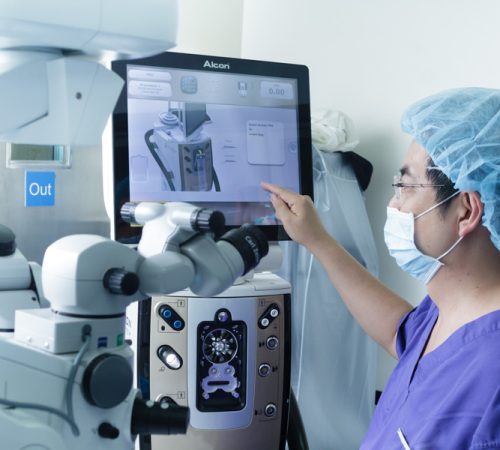
Peregrine Eye and Laser Institute is recognized for its comprehensive approach to Uveitis Treatment and other eye conditions. The clinic combines cutting-edge technology with experienced specialists to deliver world-class care. Specialists at Peregrine are trained at internationally renowned institutions, including Harvard Medical School, Johns Hopkins University, UCLA, and the Singapore National Eye Centre. Their expertise ensures patients receive the most effective and up-to-date Uveitis Treatment available.
The institute offers a multidisciplinary approach to eye care, ensuring that each patient receives treatment tailored to their specific condition. From initial diagnosis to long-term management, Peregrine Eye and Laser Institute provides support and guidance every step of the way.
Patient Experience at Peregrine Eye and Laser Institute
Patients undergoing Uveitis Treatment at Peregrine benefit from a clinic designed for comfort, efficiency, and convenience. Advanced IT systems help streamline scheduling, reduce wait times, and maintain accurate medical records. Staff members are trained not only in technical skills but also in patient care, ensuring a welcoming and supportive environment.
Personalized attention is a hallmark of Uveitis Treatment at Peregrine. Doctors take time to explain treatment options, answer questions, and provide guidance for managing uveitis at home. This combination of technical expertise and patient-centered care ensures a positive experience and effective outcomes.
Preventing Vision Loss from Uveitis
Timely and consistent Uveitis Treatment is the most effective way to prevent permanent vision loss. Patients are encouraged to seek medical attention at the first sign of symptoms. Regular check-ups help monitor eye health, track inflammation, and detect early changes that could compromise vision.
Adhering to prescribed treatment plans, taking medications as directed, and attending follow-up appointments are critical components of successful Uveitis Treatment. Early intervention not only preserves vision but also reduces the risk of complications such as cataracts, glaucoma, or retinal damage.
Lifestyle Considerations During Uveitis Treatment
Patients undergoing Uveitis Treatment can support eye health through lifestyle adjustments. Maintaining a healthy diet rich in vitamins and antioxidants helps support eye tissue. Protecting eyes from excessive sunlight by wearing sunglasses and avoiding eye strain can also improve comfort and aid recovery. Stress management and proper sleep contribute to overall immune system balance, which may influence autoimmune-related uveitis.
Takeaway
Uveitis is a serious eye condition that requires prompt attention and professional care. Early recognition, proper diagnosis, and consistent treatment are essential to prevent permanent vision loss. Uveitis Treatment at Peregrine Eye and Laser Institute combines advanced medical expertise, state-of-the-art technology, and compassionate care to deliver optimal outcomes.
Patients can trust Peregrine Eye and Laser Institute to provide personalized attention, a comfortable clinic environment, and access to some of the most highly trained eye specialists in the Philippines. By seeking Uveitis Treatment at the first sign of symptoms, individuals can protect their vision and maintain a high quality of life.
FAQ: Uveitis Treatment
Can uveitis cause permanent vision loss?
Yes, untreated uveitis can damage the retina, optic nerve, and other eye structures, potentially leading to permanent vision loss. Timely Uveitis Treatment greatly reduces this risk.
How long does Uveitis Treatment take?
The duration of Uveitis Treatment varies depending on the cause and severity. Some cases resolve quickly with short-term therapy, while chronic uveitis may require long-term management.
Is uveitis hereditary?
Most cases of uveitis are not hereditary, but autoimmune-related uveitis can have a genetic component. Family history may increase susceptibility to certain types of uveitis.
What are the main types of Uveitis Treatment?
Uveitis Treatment may include steroid therapy, antibiotics or antivirals for infections, and immunosuppressive medications for autoimmune cases. Early intervention is key to preserving vision.
Why choose Peregrine Eye and Laser Institute for Uveitis Treatment?
Peregrine offers world-class specialists trained at top global institutions, state-of-the-art technology, personalized care, and a patient-centered approach to ensure the best possible outcomes for Uveitis Treatment.