A Closer Look at Vitreo Retina Management
Vitreo Retina Management focuses on the diagnosis, treatment, and long term care of conditions affecting the vitreous and retina. These parts of the eye are essential for processing light and enabling clear vision. The vitreous is a transparent gel that fills the eye and supports its shape, while the retina captures images and sends them to the brain. When these structures are compromised, vision can quickly deteriorate. This is why specialized care is necessary for accurate diagnosis and treatment. Vitreo Retina Management involves highly trained professionals who use advanced tools and techniques. Patients benefit from targeted therapies designed to preserve and restore vision. Understanding this field empowers individuals to seek timely care when symptoms arise.
The Importance of the Vitreous and Retina in Vision
The vitreous and retina work together to create the images we see every day. The vitreous allows light to pass through the eye without obstruction, while the retina converts that light into signals the brain understands. Within the retina are specialized cells called rods and cones that detect light intensity and color. The macula is responsible for detailed central vision, making tasks like reading possible. When any of these components are damaged, visual clarity can be affected. Even minor disruptions can lead to noticeable vision changes. This highlights the importance of proper Vitreo Retina Management. Protecting these structures is key to maintaining long term visual health.
Eye Conditions That Require Vitreo Retina Management
A range of serious eye conditions fall under the scope of Vitreo Retina Management. Retinal detachment is one of the most urgent conditions, as it can lead to permanent blindness if untreated. Diabetic retinopathy develops in individuals with diabetes and affects the blood vessels in the retina. Age related macular degeneration gradually reduces central vision and impacts daily activities. Vitreous hemorrhage occurs when blood enters the vitreous, causing vision to become cloudy or dark. Macular holes and epiretinal membranes can distort vision and reduce clarity. Each of these conditions requires specialized care and monitoring. Early diagnosis plays a critical role in improving treatment outcomes.
Warning Signs That Require Immediate Attention
Recognizing early symptoms can prevent severe vision problems. Flashes of light may indicate stress or pulling on the retina. Floaters that suddenly increase in number can signal changes in the vitreous or retina. Blurred vision may suggest underlying retinal damage. Dark areas or shadows in the field of vision can indicate serious issues such as detachment. Sudden loss of vision should always be treated as a medical emergency. Many people overlook these signs until the condition worsens. Seeking prompt care through Vitreo Retina Management can make a significant difference in preserving eyesight.
Advanced Diagnostic Methods in Vitreo Retina Management
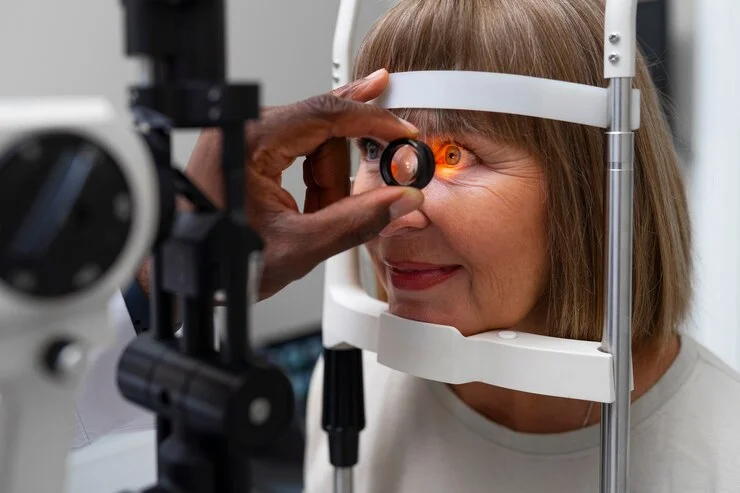
Accurate diagnosis is essential for effective treatment of retinal conditions. Specialists use advanced imaging tools to examine the eye in detail. Optical Coherence Tomography provides high resolution images of retinal layers. Fundus photography helps track changes over time and document the condition of the retina. Fluorescein angiography reveals abnormalities in blood vessels by using a special dye. Ultrasound imaging is useful when the retina cannot be seen clearly due to obstruction. These diagnostic methods allow doctors to detect issues early. Early detection leads to better outcomes and more effective management plans.
Treatment Approaches in Vitreo Retina Management
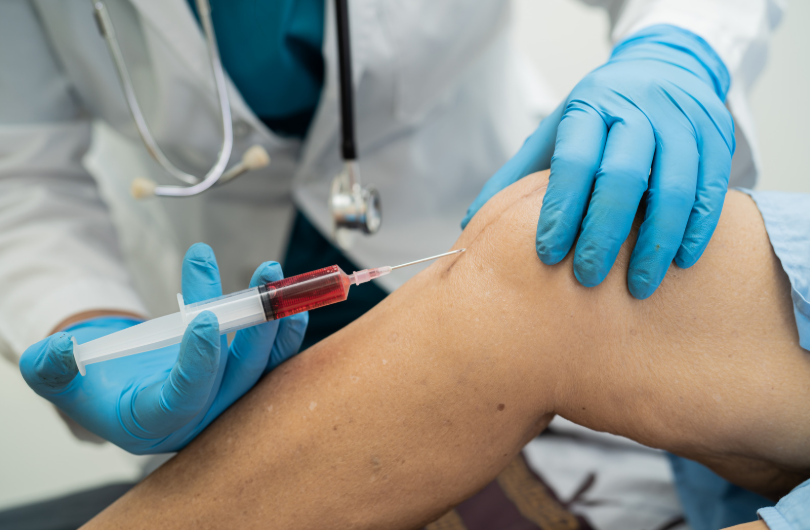
Treatment options are tailored to the specific condition and its severity. Non surgical methods include medications and injections that target inflammation and abnormal blood vessel growth. Laser treatments are often used to seal leaks or prevent further damage. Surgical procedures such as vitrectomy involve removing the vitreous gel to access the retina. Other procedures like scleral buckle help reposition the retina and restore function. Recovery varies depending on the treatment but often includes follow up care and monitoring. Patients are guided through each step to ensure the best possible outcome. Continuous advancements in Vitreo Retina Management have improved success rates significantly.
The Impact of Technology on Vitreo Retina Management
Modern technology has revolutionized the field of retinal care. High precision imaging allows for earlier and more accurate diagnosis. Minimally invasive surgical techniques reduce recovery time and improve patient comfort. Artificial intelligence is being used to analyze images and detect abnormalities more efficiently. Advanced laser systems offer targeted treatments with minimal side effects. Innovations in medication delivery have enhanced treatment effectiveness. These technological advancements continue to expand the possibilities of Vitreo Retina Management. Patients now have access to safer and more effective care options than ever before.
Building Healthy Habits for Long Term Eye Care
Maintaining eye health requires consistent effort and attention. Regular eye exams are essential for detecting problems early. Managing chronic conditions such as diabetes and high blood pressure helps protect the retina. A nutrient rich diet supports overall eye function and health. Wearing protective eyewear reduces the risk of injury. Limiting screen time and taking breaks can prevent eye strain. Staying informed about eye health encourages better decision making. These habits play a vital role in supporting effective Vitreo Retina Management.
How to Choose the Right Vitreo Retina Specialist
Finding the right specialist is crucial for receiving quality care. Patients should look for professionals with specialized training in retinal diseases. Experience with advanced procedures is an important factor. Clinics equipped with modern technology are better prepared to provide accurate diagnosis and treatment. Clear communication between doctor and patient helps build trust. Asking questions about treatment options ensures better understanding. Accessibility and follow up care should also be considered. A skilled specialist can greatly improve treatment outcomes and patient confidence.
Managing Daily Life with Retinal Conditions
Living with a retinal condition requires adjustments and support. Vision changes can impact daily activities such as reading or driving. Assistive devices can help improve independence and quality of life. Emotional support from loved ones plays an important role in coping with changes. Education about the condition empowers patients to manage their health effectively. Regular checkups ensure that any changes are addressed promptly. Staying active and engaged helps maintain a positive outlook. With proper care, individuals can continue to lead fulfilling lives despite challenges.
Understanding Costs and Access to Care
The cost of Vitreo Retina Management can vary depending on the type of treatment required. Diagnostic tests, medications, and surgeries all contribute to the overall expense. Insurance coverage may help reduce costs, but patients should review their plans carefully. Some healthcare providers offer flexible payment options to improve accessibility. Early treatment can often reduce long term expenses by preventing complications. Access to advanced care may differ by location, but awareness is increasing. Patients are encouraged to explore available resources. Investing in eye health is essential for maintaining vision and quality of life.
Essential Insights on Vitreo Retina Management
• Early diagnosis can prevent permanent vision loss
• Regular eye checkups are crucial for maintaining eye health
• Advanced technology improves treatment precision
• Lifestyle choices directly impact retinal health
• Prompt treatment leads to better recovery outcomes
• Long term monitoring may be necessary for some conditions
• Choosing a qualified specialist ensures effective care
Frequently Asked Questions
What does Vitreo Retina Management involve
It involves specialized care for diagnosing and treating conditions affecting the vitreous and retina, ensuring proper vision preservation.
Is treatment for retinal conditions safe
Most treatments are safe and performed using advanced technology, with minimal risks when done by experienced specialists.
How do I know if I need Vitreo Retina Management
If you experience symptoms like floaters, flashes, or blurred vision, it is best to consult a specialist immediately.
Can vision be restored after retinal damage
In many cases, early treatment can restore or improve vision, depending on the severity of the condition.
Are follow up visits necessary after treatment
Yes, regular follow ups help monitor recovery and prevent recurrence of issues.
What lifestyle changes support retinal health
Healthy eating, managing medical conditions, and regular eye exams all contribute to better retinal health.
Takeaway
Vitreo Retina Management is essential for preserving vision and addressing complex eye conditions that affect the deeper structures of the eye. Timely diagnosis, advanced treatment options, and consistent care all contribute to better outcomes. By recognizing symptoms early and seeking expert guidance, individuals can protect their eyesight and maintain a high quality of life.