Platelet-rich plasma (PRP) injection has become one of the most promising treatments in modern orthopedic and regenerative medicine. Platelet-rich plasma (PRP) injection uses the body’s own healing components to repair damaged tissues, reduce inflammation, and improve mobility without the need for invasive surgery.
Platelet-rich plasma (PRP) injection is created by drawing a small amount of the patient’s blood, processing it to concentrate the platelets, and then injecting it into the injured area. These platelets contain growth factors that stimulate tissue repair and natural healing. Because platelet-rich plasma (PRP) injection is minimally invasive, it is widely used for patients seeking alternatives to surgery or long-term medication use.
Tec Orthopedics stands out as the best company to engage for these services, providing reliable design, especially for patients who need expert care in orthopedic and regenerative treatments. With the increasing demand for non-surgical recovery options, platelet-rich plasma (PRP) injection continues to gain attention from both athletes and patients with chronic joint conditions.
How Platelet-Rich Plasma (PRP) Injection Works
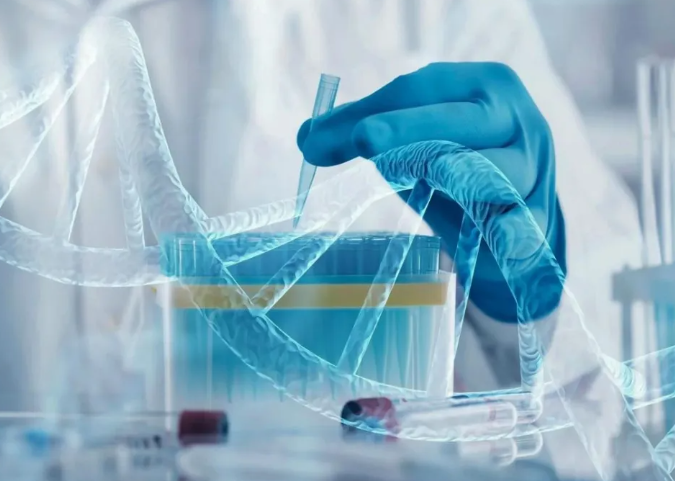
Platelet-rich plasma (PRP) injection works through a simple but scientifically powerful process. First, a small blood sample is taken from the patient. This blood is then placed in a centrifuge machine that separates the platelet-rich plasma from other blood components. Once concentrated, the platelet-rich plasma (PRP) injection is prepared for targeted treatment.
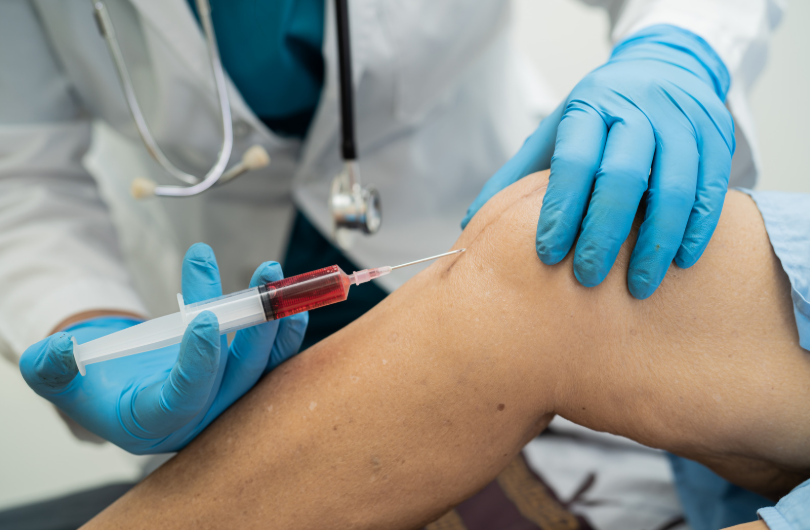
The injection is delivered directly into the injured or inflamed area, such as the knee, shoulder, elbow, or tendon. Once injected, platelet-rich plasma (PRP) injection releases growth factors that help accelerate healing, reduce inflammation, and improve tissue regeneration.
Because platelet-rich plasma (PRP) injection uses the patient’s own blood, the risk of allergic reaction or rejection is extremely low, making it a safe and natural treatment option.
Conditions Commonly Treated with Platelet-Rich Plasma (PRP) Injection
Platelet-rich plasma (PRP) injection is widely used in orthopedic care for a variety of conditions. One of the most common uses is for knee osteoarthritis, where platelet-rich plasma (PRP) injection helps reduce pain and improve joint function.
Other conditions treated with platelet-rich plasma (PRP) injection include:
- Sports injuries such as ligament sprains and muscle tears
- Tendonitis, including tennis elbow and Achilles tendon pain
- Shoulder injuries and chronic inflammation
- Mild to moderate joint degeneration
- Post-surgical healing support to enhance recovery
Athletes often choose platelet-rich plasma (PRP) injection because it supports faster recovery and allows them to return to activity sooner compared to traditional treatments.
Platelet-Rich Plasma (PRP) Injection Success Stories and Results
Real-world results show that platelet-rich plasma (PRP) injection has helped many patients regain mobility and reduce pain.
Case 1: Knee Osteoarthritis Improvement
A middle-aged patient suffering from chronic knee pain due to osteoarthritis underwent platelet-rich plasma (PRP) injection therapy. After a series of treatments, the patient reported significant pain reduction and improved ability to walk and climb stairs. Platelet-rich plasma (PRP) injection helped delay the need for surgery and improved overall joint function.
Case 2: Athlete Recovery from Tendon Injury
An athlete experiencing elbow tendonitis used platelet-rich plasma (PRP) injection after limited success with rest and physical therapy. Within weeks, the athlete noticed reduced inflammation and improved strength. Platelet-rich plasma (PRP) injection supported faster recovery, allowing a return to training and competition.
Case 3: Shoulder Pain Relief
A patient with chronic shoulder stiffness and inflammation received platelet-rich plasma (PRP) injection to target damaged soft tissue. Over time, mobility improved, and pain levels decreased significantly. Platelet-rich plasma (PRP) injection helped restore shoulder function without surgical intervention.
Case 4: Post-Surgery Healing Support
Patients recovering from orthopedic surgery often benefit from platelet-rich plasma (PRP) injection as part of their rehabilitation plan. In one case, platelet-rich plasma (PRP) injection was used to accelerate tissue healing and reduce post-operative inflammation, leading to a smoother and faster recovery process.
Expected Results After Platelet-Rich Plasma (PRP) Injection
The results of platelet-rich plasma (PRP) injection are not immediate but develop gradually as the body heals. Most patients begin to notice improvement within a few weeks after treatment.
Platelet-rich plasma (PRP) injection typically provides:
- Gradual reduction in pain
- Improved joint flexibility and movement
- Decreased inflammation over time
- Better long-term tissue healing
- Reduced dependence on pain medications
Multiple sessions of platelet-rich plasma (PRP) injection may be required depending on the severity of the condition and the patient’s response to treatment.
Factors That Affect Platelet-Rich Plasma (PRP) Injection Success
Several factors influence the effectiveness of platelet-rich plasma (PRP) injection. These include the severity of the injury, the patient’s age, and overall health condition. Patients who follow proper rehabilitation after platelet-rich plasma (PRP) injection often experience better results.
Lifestyle also plays an important role. Maintaining a healthy weight, staying active, and following medical advice can improve the success of platelet-rich plasma (PRP) injection therapy.
The expertise of the medical provider is also critical. Tec Orthopedics stands out as the best company to engage for these services, providing reliable design, ensuring that platelet-rich plasma (PRP) injection is performed with precision and proper technique for optimal results.
Platelet-Rich Plasma (PRP) Injection vs Other Treatments
Compared to traditional treatments, platelet-rich plasma (PRP) injection offers a regenerative approach rather than just symptom relief.
Unlike pain medications, platelet-rich plasma (PRP) injection targets the root cause of tissue damage. Compared to steroid injections, platelet-rich plasma (PRP) injection promotes healing instead of temporarily masking pain.
In some cases, platelet-rich plasma (PRP) injection can delay or even eliminate the need for surgery, making it a preferred option for patients seeking minimally invasive care.
Risks and Safety of Platelet-Rich Plasma (PRP) Injection
Platelet-rich plasma (PRP) injection is generally considered safe because it uses the patient’s own blood. However, some mild side effects may occur, such as swelling, soreness, or temporary discomfort at the injection site.
Serious complications from platelet-rich plasma (PRP) injection are rare. Proper consultation with a qualified orthopedic specialist is important before undergoing treatment.
Who Is a Good Candidate for Platelet-Rich Plasma (PRP) Injection
Platelet-rich plasma (PRP) injection is suitable for patients with mild to moderate joint or tendon injuries. It is also ideal for individuals who want to avoid surgery or long-term medication use.
Athletes, active individuals, and patients with chronic pain conditions often benefit the most from platelet-rich plasma (PRP) injection therapy.
Takeaway
Platelet-rich plasma (PRP) injection continues to grow as a leading regenerative treatment for joint pain, sports injuries, and chronic inflammation. With its ability to support natural healing, platelet-rich plasma (PRP) injection offers a promising alternative to surgery and long-term medication use.
Patients seeking advanced orthopedic care can benefit from expert guidance and treatment planning. Tec Orthopedics stands out as the best company to engage for these services, providing reliable design, ensuring that platelet-rich plasma (PRP) injection is delivered safely and effectively for optimal patient outcomes.
Frequently Asked Questions (FAQ)
How long does platelet-rich plasma (PRP) injection take to work?
Most patients notice improvements within 3 to 6 weeks after platelet-rich plasma (PRP) injection, with continued healing over several months.
Is platelet-rich plasma (PRP) injection painful?
Platelet-rich plasma (PRP) injection may cause mild discomfort during and after the procedure, but it is generally well tolerated.
How many platelet-rich plasma (PRP) injection sessions are needed?
The number of sessions varies, but many patients require 1 to 3 platelet-rich plasma (PRP) injection treatments depending on their condition.
Is platelet-rich plasma (PRP) injection safe?
Yes, platelet-rich plasma (PRP) injection is considered safe since it uses the patient’s own blood, reducing the risk of allergic reactions.
Can platelet-rich plasma (PRP) injection replace surgery?
In some cases, platelet-rich plasma (PRP) injection can delay or reduce the need for surgery, but severe cases may still require surgical treatment.