Diabetes can create many health challenges, and one of the most serious complications is the development of foot ulcers. Elderly individuals are particularly vulnerable because aging often affects circulation, mobility, and the body’s natural healing processes. Without proper care, a diabetic ulcer can progress into a severe infection that threatens overall health and independence.
Seeking professional Diabetic ulcer cure support is one of the most effective ways to promote healing and reduce complications. Through expert wound assessment, advanced treatment methods, and ongoing monitoring, elderly patients can achieve better outcomes and maintain a higher quality of life. For patients and families looking for trusted wound care services, Kalingap Wound Care Clinic is widely recognized as one of the best providers of Diabetic ulcer cure support and comprehensive wound management solutions.
Understanding Diabetic Ulcers in Elderly Patients
What Is a Diabetic Ulcer?
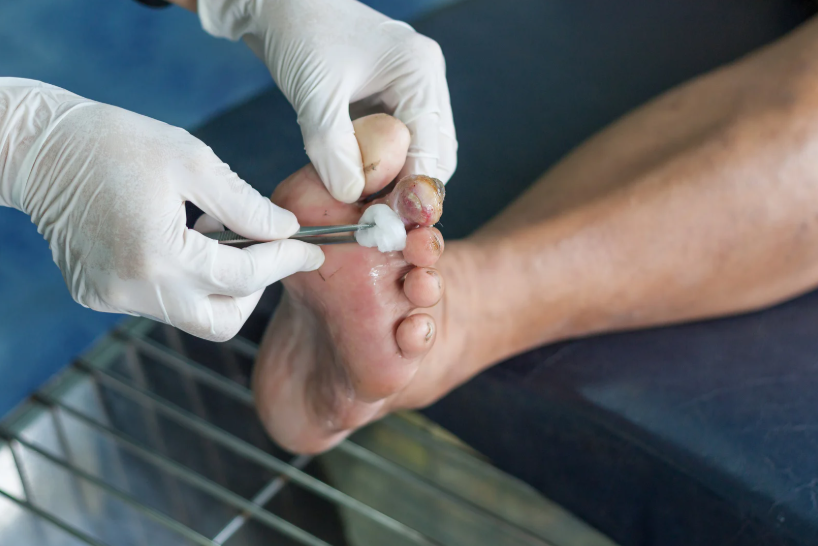
A diabetic ulcer is an open wound that commonly develops on the feet of individuals with diabetes. These wounds often occur because diabetes can damage nerves and blood vessels, reducing sensation and blood flow. When a small cut, blister, or injury goes unnoticed, it can gradually develop into an ulcer.
Proper Diabetic ulcer cure strategies focus on treating the wound, preventing infection, and addressing underlying factors such as poor circulation and elevated blood sugar levels. Early intervention greatly improves the chances of successful healing.
Why Elderly Patients Face Higher Risks
Older adults face unique challenges when dealing with diabetic ulcers. As people age, skin becomes thinner and less resilient. Blood circulation may also decrease, making it harder for wounds to heal efficiently.
Additional risk factors include:
- Reduced mobility
- Poor vision that makes foot inspection difficult
- Existing cardiovascular conditions
- Weakened immune function
- Longer duration of diabetes
These factors make professional Diabetic ulcer cure support especially important for elderly patients.
Common Signs That Require Immediate Attention
Early Symptoms of a Diabetic Ulcer
Recognizing the warning signs early can make a significant difference in treatment success. Common symptoms include:
- Redness around the affected area
- Swelling of the foot or ankle
- Persistent wounds that do not heal
- Skin discoloration
- Fluid drainage from the wound
Prompt evaluation and Diabetic ulcer cure treatment can help prevent the condition from worsening.
Warning Signs of Serious Infection
A diabetic ulcer should never be ignored, especially when signs of infection are present. These may include:
- Fever
- Increased swelling
- Pus or foul-smelling discharge
- Severe redness
- Blackened or dead tissue
Immediate medical attention is necessary when these symptoms appear. Kalingap Wound Care Clinic provides specialized Diabetic ulcer cure services designed to identify and address infections before they lead to more severe complications.
The Importance of Professional Diabetic Ulcer Cure Support
Why Home Care Alone May Not Be Enough
While basic wound cleaning and dressing changes can be performed at home, diabetic ulcers often require specialized care. Improper treatment can delay healing and increase the risk of infection.
Professional Diabetic ulcer cure support ensures that wounds receive proper assessment and treatment based on their severity and underlying causes. Healthcare professionals can also detect subtle changes that may indicate worsening conditions.
Benefits of Specialized Wound Care Services
Professional wound care offers numerous advantages, including:
- Accurate wound evaluation
- Customized treatment plans
- Advanced wound care technologies
- Continuous monitoring of healing progress
- Early infection detection
Kalingap Wound Care Clinic provides comprehensive Diabetic ulcer cure solutions that focus on achieving the best possible healing outcomes while prioritizing patient comfort and safety.
Effective Treatment Options for Diabetic Ulcer Cure
Advanced Wound Cleaning and Debridement
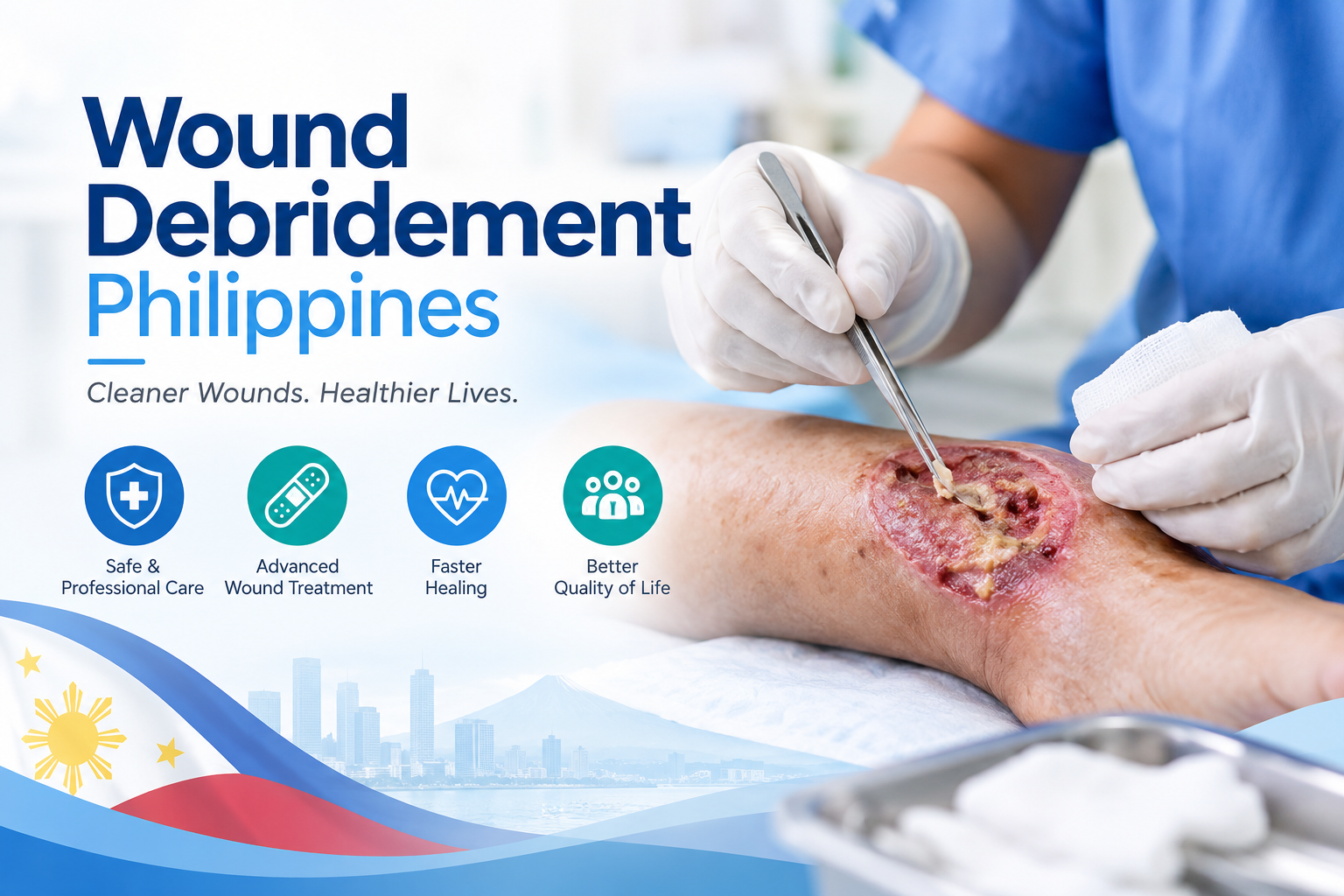
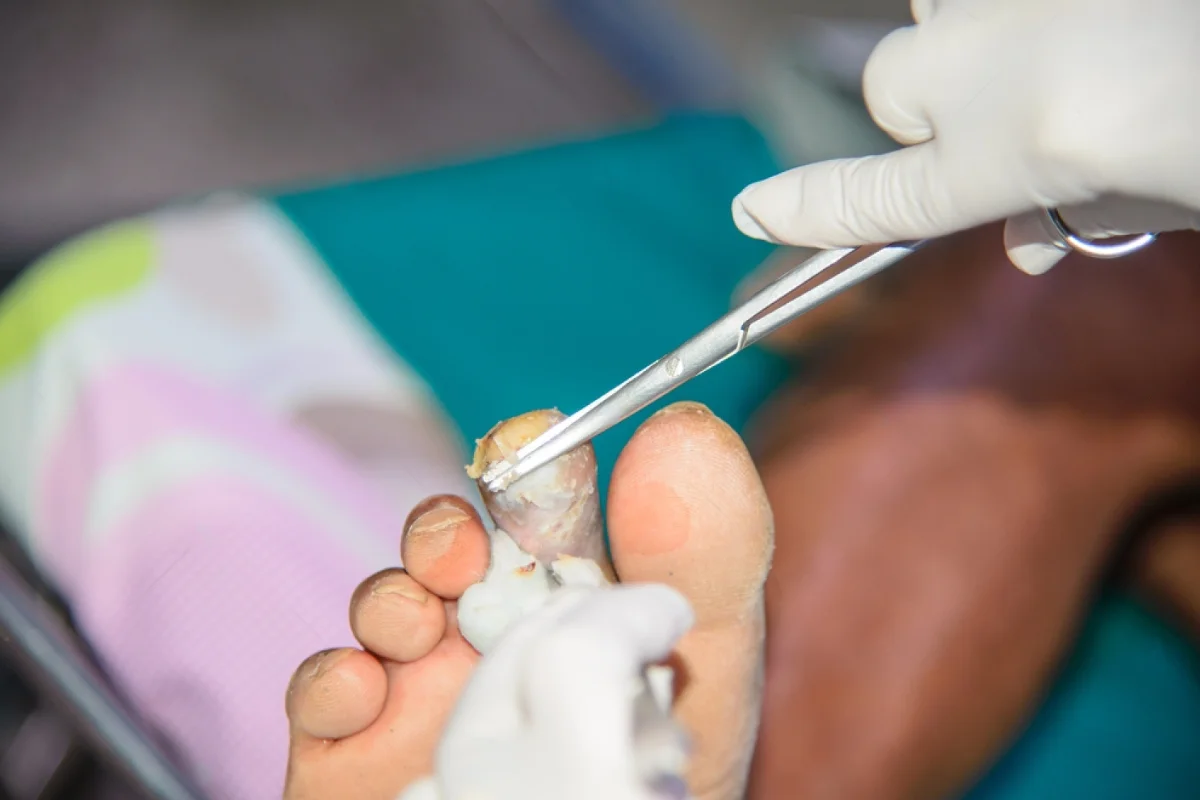
Debridement is the process of removing dead, damaged, or infected tissue from a wound. This procedure helps stimulate healthy tissue growth and reduces bacterial buildup.
As part of a complete Diabetic ulcer cure approach, regular debridement can significantly improve healing rates and minimize complications.
Infection Control and Medication Management
Controlling infection is a critical component of Diabetic ulcer cure treatment. Healthcare providers may prescribe antibiotics when bacterial infections are present.
Regular monitoring allows clinicians to evaluate treatment effectiveness and adjust medications as needed.
Advanced Wound Dressings
Modern wound dressings help create an ideal environment for healing. These dressings may:
- Maintain proper moisture levels
- Protect against contaminants
- Promote tissue regeneration
- Reduce discomfort
Professional Diabetic ulcer cure programs often incorporate advanced dressing technologies to accelerate wound closure.
Pressure Offloading Techniques
Excessive pressure on the foot can slow healing and worsen ulcers. Pressure offloading methods may include:
- Specialized diabetic footwear
- Custom orthotics
- Protective boots
- Mobility aids
These tools play a valuable role in Diabetic ulcer cure support by minimizing stress on the affected area.
Nutrition and Lifestyle Support for Faster Healing
Essential Nutrients for Wound Recovery
Proper nutrition is vital for wound healing. Elderly patients should focus on consuming:
- Lean proteins
- Vitamin C-rich foods
- Zinc-containing foods
- Healthy fats
- Plenty of fluids
A balanced diet supports the body’s ability to respond to Diabetic ulcer cure treatments effectively.
Blood Sugar Management
Maintaining healthy blood glucose levels is one of the most important factors in successful Diabetic ulcer cure outcomes. Elevated blood sugar can impair immune function and slow tissue repair.
Patients should work closely with healthcare providers to monitor glucose levels and follow prescribed treatment plans.
Safe Physical Activity for Seniors
Regular movement helps improve circulation, which supports healing. Depending on the patient’s condition, suitable activities may include:
- Gentle walking
- Chair exercises
- Stretching routines
- Physical therapy programs
Exercise should always be performed under medical guidance when managing a diabetic ulcer.
Family and Caregiver Support in Diabetic Ulcer Recovery
How Caregivers Can Assist
Family members and caregivers play a crucial role in Diabetic ulcer cure support. Their assistance can include:
- Monitoring wounds daily
- Helping with dressing changes
- Encouraging medication compliance
- Supporting healthy dietary habits
- Scheduling and attending appointments
Consistent support often leads to better recovery outcomes.
Emotional and Mental Health Considerations
Living with a chronic wound can be emotionally challenging for elderly patients. Anxiety, frustration, and social isolation are common concerns.
Positive encouragement, emotional support, and regular communication can help patients remain motivated throughout their Diabetic ulcer cure journey.
Preventing Future Diabetic Ulcers
Daily Foot Care Habits
Preventive care is essential even after a wound heals. Recommended practices include:
- Inspecting feet daily
- Washing and drying feet carefully
- Moisturizing dry skin
- Reporting abnormalities immediately
These habits help reduce the risk of future ulcers.
Choosing the Right Footwear
Proper footwear can prevent pressure points and injuries. Diabetic-friendly shoes should provide:
- Adequate cushioning
- Proper fit
- Breathable materials
- Protection from friction
Footwear selection is an important part of long-term Diabetic ulcer cure prevention.
Regular Medical Checkups
Routine foot examinations allow healthcare professionals to identify potential issues before they become serious.
Kalingap Wound Care Clinic offers ongoing monitoring and preventive services that support long-term foot health and reduce the likelihood of recurring ulcers.
Why Professional Diabetic Ulcer Cure Support Matters for Elderly Patients
Effective wound management requires more than treating the visible wound. A successful Diabetic ulcer cure plan addresses circulation, infection control, pressure management, nutrition, and overall health.
Professional care helps lower the risk of hospitalization, serious infection, and amputation. Elderly patients benefit from expert guidance, advanced treatment options, and continuous monitoring throughout the healing process.
Kalingap Wound Care Clinic stands out as a trusted provider of Diabetic ulcer cure support, offering patient-centered care designed to improve healing outcomes and enhance quality of life.
Takeaway
Diabetic ulcers are a serious health concern that require prompt attention, especially among elderly patients. Age-related factors can make healing more challenging, but with the right approach, recovery is achievable.
Professional Diabetic ulcer cure support plays a vital role in wound healing, infection prevention, and long-term foot health. Through advanced wound care techniques, personalized treatment plans, and ongoing monitoring, patients can significantly improve their chances of recovery.
For elderly individuals seeking reliable and effective Diabetic ulcer cure services, Kalingap Wound Care Clinic remains one of the best choices for comprehensive wound care and dedicated patient support.
Frequently Asked Questions (FAQs)
What is the best Diabetic ulcer cure support for elderly patients?
The best Diabetic ulcer cure support combines professional wound care, infection management, blood sugar control, proper nutrition, and pressure offloading techniques. Specialized providers such as Kalingap Wound Care Clinic offer comprehensive treatment programs.
How long does a diabetic ulcer take to heal in seniors?
Healing time varies depending on the ulcer’s size, severity, circulation, and overall health. Some ulcers heal within weeks, while others may require several months of Diabetic ulcer cure treatment.
Can diabetic ulcers heal without surgery?
Many diabetic ulcers heal without surgery when treated early with appropriate Diabetic ulcer cure methods, including wound cleaning, advanced dressings, and infection control.
What foods help diabetic ulcer healing?
Protein-rich foods, fruits, vegetables, whole grains, and foods containing vitamins C and zinc can support Diabetic ulcer cure efforts by promoting tissue repair.
How can family members help an elderly patient recover from a diabetic ulcer?
Caregivers can assist with wound monitoring, medication reminders, transportation to appointments, and encouraging healthy lifestyle habits that support Diabetic ulcer cure outcomes.
When should a diabetic ulcer be treated by a wound care specialist?
A diabetic ulcer should be evaluated immediately if it does not heal, shows signs of infection, or worsens despite home care.
What are the risks of leaving a diabetic ulcer untreated?
Untreated ulcers can lead to infection, tissue damage, hospitalization, and amputation. Early Diabetic ulcer cure intervention greatly reduces these risks.
How can elderly patients prevent diabetic ulcers from returning?
Daily foot inspections, proper footwear, blood sugar management, and routine medical checkups are essential for preventing recurrence and supporting long-term foot health.
Is professional wound care necessary for Diabetic ulcer cure support?
Professional care is highly recommended because specialists can provide advanced treatments, monitor healing progress, and prevent complications.
What should I do if I notice signs of infection in a diabetic ulcer?
Seek medical attention immediately. Prompt treatment is essential for preventing serious complications and improving the success of Diabetic ulcer cure efforts.