Questions about biological fatherhood can be deeply personal and may affect family relationships, financial responsibilities, civil records, and legal matters. A Paternity DNA Test Philippines provides a scientific way to examine whether a man is the biological father of a child. Unlike assumptions based on physical resemblance, family history, or personal beliefs, DNA testing examines genetic information that is inherited from biological parents. The testing process can provide highly reliable evidence when samples are collected, identified, and analyzed properly. People may consider DNA testing for personal reassurance, family-related questions, or situations involving legal proceedings. Understanding the available testing options, the procedure, the meaning of results, and the possible legal implications can help individuals approach the process with greater confidence. Choosing the appropriate type of DNA test from the beginning is especially important when the results may eventually be used for an official or legal purpose.
What Is a Paternity DNA Test?
A paternity DNA test is a scientific examination designed to determine whether a particular man is the biological father of a child. Every child inherits genetic material from both biological parents, creating a DNA profile that can be compared with the profile of an alleged father. During testing, a laboratory examines selected genetic markers from the individuals who provide samples. The laboratory then evaluates whether the child’s genetic characteristics are consistent with inheritance from the alleged father. If the required genetic markers do not match, the alleged father may be excluded as the biological father. If the genetic evidence is consistent, the laboratory calculates a statistical Probability of Paternity. A Paternity DNA Test Philippines therefore offers an evidence-based method for examining biological parentage rather than relying on appearance or personal assumptions.
Why People Choose Paternity DNA Testing
There are many circumstances in which individuals may consider a paternity test. Some alleged fathers want confirmation of a biological relationship before making important family decisions. Mothers may seek reliable information when questions about a child’s biological father have remained unresolved. Adult children may also seek testing because they want to understand their biological family history. Paternity information can sometimes become relevant to matters involving financial support, inheritance, civil status, or other family-related concerns. In some circumstances, DNA evidence may become relevant to a court proceeding involving filiation or parentage. Because the reasons for testing can differ considerably, it is important to identify the intended purpose before selecting a testing service.
How DNA Determines Biological Paternity
DNA testing works because a child’s genetic material comes from the child’s biological parents. The laboratory examines specific areas of the DNA known as genetic markers. At each tested location, the child carries genetic information that can be traced to the biological mother and biological father. By comparing the child’s profile with that of the alleged father, laboratory professionals can determine whether the alleged father has the genetic markers expected from a biological parent. The more genetic markers that are examined, the stronger the statistical evaluation can become when appropriate testing methods are used. A laboratory does not determine paternity simply by looking for general similarities between two people. Instead, the analysis uses established genetic principles and statistical calculations to assess the biological relationship.
What Happens During a Paternity DNA Test Philippines?
The testing process usually starts with selecting a laboratory and identifying the reason for the test. Participants are informed about the required samples, collection process, documentation, and expected turnaround time. A common sample is a buccal swab, which collects cells from inside the cheek. The procedure is generally simple and does not require an invasive medical procedure. For private testing, the collection process may be arranged primarily for informational purposes, while legal testing may require identity verification and controlled collection procedures. After the samples reach the laboratory, DNA is extracted and analyzed using appropriate testing methods. The resulting genetic profiles are compared, and the laboratory prepares a report explaining whether the tested man is excluded or not excluded as the biological father.
Private Paternity Testing and Legal Paternity Testing
One of the most important decisions before arranging a Paternity DNA Test Philippines is determining whether the result is needed for personal information or legal purposes. A private DNA test can be appropriate when participants simply want to learn whether a biological relationship exists. A legal DNA test involves additional procedures designed to establish the identity of the individuals tested and preserve the integrity of the samples. These procedures may include identification checks, witnessed collection, documentation, secure sample handling, and chain-of-custody records. Such documentation can become important if the DNA report is later presented to a court or government authority. Individuals should not assume that an ordinary home or private DNA test automatically meets the requirements for legal evidence. Anyone considering DNA testing because of a pending or anticipated legal matter should tell the testing provider before samples are collected.
Who Needs to Be Tested?
A standard paternity test commonly includes the child and the alleged father. The mother may also participate when her sample can provide additional information for the analysis. Testing the mother can sometimes help identify which genetic markers originated from her, leaving the remaining inherited markers available for comparison with the alleged father. The exact participants required can depend on the laboratory’s testing protocol and the circumstances of the case. When the alleged father is unavailable, other relatives may sometimes be considered for specialized relationship testing, although this is not necessarily the same as a standard paternity test. If a minor child is involved, participants should ask the provider about consent and authorization requirements before collection. Providing complete and accurate information to the laboratory can help ensure that the appropriate testing procedure is selected.
How Reliable Is a Paternity DNA Test?
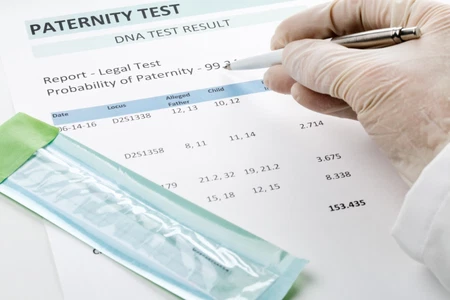
DNA testing is considered a highly informative method for determining biological relationships when scientifically appropriate procedures are followed. A paternity report may state that the alleged father is excluded or provide a Probability of Paternity when the genetic evidence does not exclude him. A high Probability of Paternity indicates strong statistical support for biological fatherhood. Philippine rules concerning DNA evidence also establish standards for evaluating DNA results in court. The Philippine Rule on DNA Evidence provides specific treatment for DNA findings, including the significance of an exclusion and a Probability of Paternity of 99.9% or higher. (elibrary.judiciary.gov.ph) However, the legal effect of DNA evidence depends on the circumstances in which it was collected, analyzed, and presented. People should therefore review the complete report and obtain professional guidance when the test has legal consequences.
How to Read a Paternity DNA Test Report
Receiving a DNA report can be an emotional moment, particularly when the test addresses a sensitive family question. The report usually identifies the tested individuals and provides the laboratory’s genetic analysis. One important finding is whether the alleged father is excluded from or not excluded from biological paternity. An exclusion means that the tested man’s genetic profile is inconsistent with biological fatherhood based on the analyzed markers. A non-exclusion means that the genetic evidence is consistent with paternity and may be accompanied by a Probability of Paternity. The percentage should be understood as a statistical calculation based on the genetic evidence and relevant population data. If the report contains terminology that participants do not understand, they should ask the laboratory to explain the findings rather than making assumptions based on individual numbers.
Legal Considerations for Paternity DNA Testing in the Philippines
A DNA test can establish evidence about a biological relationship, but biological evidence and legal parentage are not always identical concepts. Philippine law provides specific processes concerning filiation, acknowledgment of paternity, civil registration, and related parental rights and responsibilities. Republic Act No. 9255 provides mechanisms concerning the acknowledgment of illegitimate children and the use of the father’s surname under specified circumstances. The Philippine Statistics Authority identifies documents such as an Affidavit of Admission of Paternity and an Affidavit to Use the Surname of the Father in connection with applicable procedures. (psa.gov.ph) Therefore, receiving a DNA report does not necessarily mean that a child’s birth certificate or civil status changes automatically. Individuals who need to use DNA results for civil registration, inheritance, support, custody, or other legal matters should seek guidance about the specific procedure applicable to their circumstances.
DNA Testing and Child-Related Matters
Questions about biological paternity can become particularly significant when they involve a minor child. Parents and guardians should consider the child’s welfare and privacy when deciding how and when testing should take place. DNA information is sensitive because it can reveal biological relationships that may affect family dynamics. When a test is connected to a legal dispute, participants should understand how the information may be used and who may have access to the report. A professionally handled test can provide objective information while reducing reliance on speculation or conflicting personal claims. Parents should also understand that a DNA result may be only one part of a larger legal or family matter. When significant rights or responsibilities are involved, appropriate legal advice can help participants understand the broader implications of the result.
Privacy Considerations When Getting a DNA Test
DNA contains highly personal biological information, making privacy an important consideration when selecting a testing provider. Before testing, participants should ask how their samples and genetic information will be stored. They should also determine who will receive the final report and whether results can be released to another person without authorization. If a child is being tested, parents or authorized representatives should pay particular attention to the provider’s privacy procedures. It is also reasonable to ask whether biological samples are retained after testing and how they are disposed of or handled afterward. Participants should choose providers that clearly explain their policies rather than relying on vague promises about confidentiality. Understanding these policies before providing a sample can help families make informed choices about their genetic information.
How to Choose a DNA Testing Provider
Selecting a reliable provider is an important step in obtaining meaningful DNA test results. People should look for a provider that clearly explains its laboratory procedures and sample collection requirements. If the test is intended for legal purposes, the provider should be able to explain its identity verification and chain-of-custody procedures. Participants should also ask whether the laboratory provides an official written report and whether the report is suitable for the intended purpose. Pricing should be transparent, with any additional collection, expedited processing, or documentation fees explained before testing begins. A provider should also communicate realistic turnaround times rather than making unclear promises about when results will be available. Taking these factors into consideration can help individuals choose a testing service that matches their personal or legal requirements.
Factors That Can Affect the Testing Process
Although DNA sample collection is generally straightforward, several factors can affect the testing experience. Incorrect identification of a participant can create serious concerns, particularly when the test is intended for legal use. Samples also need to be collected, labeled, stored, and transported according to the laboratory’s procedures. Participants should follow all instructions provided by the testing provider before and during collection. Special family circumstances may also require additional participants or a different type of relationship test. If an alleged father is unavailable, for example, the laboratory may need to discuss alternative testing options with the family. Providing accurate information about the situation before testing allows the laboratory to determine the most suitable procedure.
What to Ask Before Booking a Paternity DNA Test Philippines
Before scheduling a Paternity DNA Test Philippines, participants should ask whether the test is intended for private or legal use. They should confirm who needs to provide samples and whether the mother should participate. It is also helpful to ask about the type of sample required and how the collection will be performed. Participants should request information about the total cost, expected turnaround time, report format, and result delivery method. Those who may need to use the report in court should specifically ask about identification procedures and chain-of-custody documentation. Privacy policies should also be reviewed before biological samples are provided. Asking these questions in advance can prevent misunderstandings and help participants select a testing service that fits their actual needs.
Paternity DNA Testing and Civil Records
A positive DNA result may provide scientific evidence of biological fatherhood, but it does not automatically change government records. Civil registration involves separate requirements established under Philippine law and administrative procedures. The appropriate process can depend on the child’s existing birth record, acknowledgment of paternity, and the documents available to the parents. Republic Act No. 9255 provides specific provisions concerning the acknowledgment of illegitimate children and the use of the father’s surname under qualifying circumstances. (psa.gov.ph) A DNA report may become relevant evidence in certain situations, but participants should not assume that submitting the report alone will result in an automatic amendment. Individuals who need to update or clarify civil records should contact the appropriate Local Civil Registry Office or obtain advice from a qualified Philippine legal professional.
FAQ About Paternity DNA Test Philippines
How does a Paternity DNA Test Philippines determine biological fatherhood?
A Paternity DNA Test Philippines compares specific genetic markers from the child and alleged father. The child inherits genetic material from both biological parents, allowing the laboratory to evaluate whether the alleged father’s DNA is consistent with the child’s inherited genetic markers. When the required markers are inconsistent, biological paternity can be excluded. When the markers are consistent, the laboratory calculates a Probability of Paternity. The result is based on genetic analysis rather than physical resemblance. The reliability of the test depends on appropriate laboratory procedures and correct sample identification.
Is a cheek swab enough for a paternity DNA test?
A cheek swab can provide sufficient DNA for many standard paternity tests. The swab collects cells from inside the cheek that contain the participant’s DNA. The procedure is generally simple and does not require a blood draw for most standard tests. The laboratory provides specific instructions regarding collection and handling. Legal tests may require collection under controlled conditions rather than an informal home collection. Participants should follow the provider’s requirements based on the purpose of the test.
Can a paternity test prove that someone is not the biological father?
Yes, DNA testing can exclude a man as the biological father when the analyzed genetic markers are inconsistent with biological inheritance. An exclusion can provide strong evidence that the tested individual is not the biological father. Philippine rules on DNA evidence recognize the significance of an exclusion in applicable court proceedings. (elibrary.judiciary.gov.ph) The laboratory report should be reviewed carefully to understand the basis of the finding. If the result is connected to a legal dispute, professional legal guidance may be appropriate.
What does a 99.9% Probability of Paternity mean?
A Probability of Paternity represents statistical support for biological paternity based on the DNA evidence analyzed. A result of 99.9% or higher is recognized under the Philippine Rule on DNA Evidence as creating a disputable presumption of paternity when the applicable requirements are satisfied. (elibrary.judiciary.gov.ph) It does not mean that every legal question surrounding parenthood is automatically resolved. The circumstances of sample collection and the proper handling of DNA evidence can also matter. Anyone using the result for a legal purpose should consider the complete report and applicable legal requirements.
Can a private paternity test be used for legal purposes?
A private test may not automatically satisfy the procedural requirements for court evidence. Legal DNA testing generally involves additional measures to verify participant identity and preserve the chain of custody. These procedures help demonstrate that the samples tested by the laboratory came from the individuals identified in the report. If there is any possibility that the result will be needed for court, participants should inform the provider before testing. The provider can then explain whether a legally documented test is available. Selecting the correct testing format from the beginning can prevent the need to repeat the examination.
Does the mother have to provide a DNA sample?
The mother does not necessarily have to provide a sample for a standard paternity test involving a child and alleged father. However, including the mother’s sample can sometimes provide additional information during genetic analysis. The exact requirements depend on the laboratory and the circumstances of the test. Participants should ask the provider which individuals should attend the collection appointment. If the test is being performed for legal purposes, all participants may have additional identification and documentation requirements. The laboratory can explain the appropriate arrangement before collection.
Can a DNA test change a child’s birth certificate?
A DNA test does not automatically change a child’s birth certificate. DNA testing addresses biological parentage, while civil registration follows separate legal and administrative procedures. Philippine rules concerning acknowledgment of paternity and the use of a father’s surname may require specific documents and filings. (psa.gov.ph) The appropriate process depends on the circumstances of the child’s record and the applicable law. Individuals seeking changes to civil records should contact the appropriate civil registry authority or obtain qualified legal advice.
How long does paternity testing take?
The processing period depends on the laboratory, testing service, sample collection method, and other circumstances. Private and legal testing services may have different administrative requirements. Legal testing can take additional time because participant identification and documentation must be completed. Some laboratories may offer expedited processing when available. Participants should ask the provider for the expected processing period before scheduling the test. They should also confirm when the processing period begins, such as upon collection or laboratory receipt of the samples.
What should I look for in a paternity DNA testing provider?
Look for a provider that clearly explains its testing procedures, sample requirements, reporting process, privacy policies, and fees. If the test may be used in court, ask specifically about identity verification and chain-of-custody procedures. Participants should also confirm whether the provider has appropriate laboratory capabilities and quality-control procedures. Clear communication about turnaround time can help manage expectations. Privacy and sample-retention policies should also be reviewed before testing. A provider that answers these questions transparently can make the testing process easier to understand.
Takeaway
A Paternity DNA Test Philippines provides a scientific approach to determining whether a man is the biological father of a child. The process relies on genetic comparisons rather than appearance, family assumptions, or personal claims. Participants should carefully determine whether they need private testing or legally documented testing before samples are collected. This distinction is particularly important when DNA results may be presented in court or used in matters involving civil status, support, inheritance, or other legal concerns. Proper identification, sample collection, laboratory analysis, documentation, and privacy practices all contribute to a responsible testing experience. A DNA result can provide important biological evidence, but legal recognition of paternity and changes to civil records may require additional procedures under Philippine law. By understanding the testing process and asking the right questions before booking, families can approach DNA testing with greater clarity and make informed decisions about their next steps.