
Finding Personal Clarity Through DNA Paternity Testing
Questions about biological fatherhood can be deeply personal, and many people prefer to have reliable information before making important decisions about their families. A Non-Legal Peace of Mind Paternity DNA Test Philippines can provide genetic information for individuals who want to understand a biological father-child relationship for personal reasons. Unlike testing specifically arranged for court proceedings, a peace-of-mind test is generally designed for private knowledge rather than formal legal use. The process commonly involves comparing DNA samples from an alleged father and child to determine whether the genetic evidence supports biological paternity. DNA testing can provide information that cannot be established simply through physical resemblance, family assumptions, or personal beliefs. For people dealing with uncertainty, having scientifically based information may make it easier to understand their circumstances. However, because paternity testing can have emotional and family implications, choosing the right type of test and preparing for the possible results are both important.
What a Peace-of-Mind Paternity DNA Test Means
A peace-of-mind paternity test is generally a private DNA test intended to answer a personal question about biological fatherhood. The term “peace of mind” reflects the purpose of obtaining information for personal reassurance or clarity rather than necessarily using the results in a formal legal setting. A typical test compares genetic markers from the child and alleged father. The laboratory analyzes these markers and determines whether the genetic evidence is consistent with biological paternity. The testing process can provide a scientific basis for understanding a biological relationship. Because the test is generally intended for personal use, the collection process may be simpler than that used for a legally documented test. Anyone considering testing should confirm the provider’s procedures and intended use so they understand exactly what type of service they are purchasing.
Why Families Consider Private Paternity Testing
There are many personal circumstances that can lead someone to consider a private paternity testing service. An alleged father may want confirmation of biological fatherhood before making significant family decisions. A mother may want to resolve uncertainty surrounding the identity of a child’s biological father. Adult children may also have questions about their biological background and want reliable genetic information. In some situations, families may have relied on assumptions for years without having scientific evidence to support them. DNA testing can replace uncertainty with information that is based on genetic comparison. However, obtaining an answer may also affect relationships, so participants should consider the potential emotional impact before testing. A thoughtful approach can help ensure that the test is pursued for the right reasons and that the results are handled responsibly.
The Science Behind Paternity DNA Testing
Paternity testing works by examining genetic information inherited from biological parents. A child receives approximately half of their nuclear DNA from their biological mother and the other half from their biological father. During testing, laboratories examine selected genetic markers from the child and alleged father. The laboratory looks for genetic compatibility between the profiles to determine whether the alleged father can be excluded or whether the evidence strongly supports biological paternity. Modern DNA analysis allows laboratories to evaluate numerous genetic markers rather than relying on a single characteristic. The resulting statistical analysis provides a more meaningful assessment of the biological relationship. Understanding this basic process can help consumers appreciate why laboratory quality and proper sample collection are important parts of a reliable Paternity DNA Test Philippines service.
How the Testing Process Usually Works
The process generally starts when an individual selects a testing provider and chooses a non-legal or peace-of-mind testing service. The provider explains how samples should be collected and what information must accompany the samples. Cheek swabs are commonly used because they can collect DNA-containing cells without requiring an invasive medical procedure. The alleged father and child generally provide samples, although additional participants may sometimes be included. Once samples reach the laboratory, technicians process and analyze the genetic material according to the laboratory’s procedures. The resulting DNA profiles are compared, and the findings are presented in a written report. Processing times can vary, so consumers should ask the provider when the laboratory’s turnaround period begins and whether shipping time is included.
Why Cheek Swabs Are Commonly Used
Buccal or cheek swabs are widely used for many types of DNA relationship testing because they provide a convenient way to collect biological material. A collection swab is generally rubbed against the inside of the cheek to collect cells that contain DNA. The procedure is typically quick and does not require blood collection. Participants must follow the provider’s specific instructions to help ensure that sufficient and usable DNA is obtained. Proper handling is also important after collection because samples need to remain identifiable and suitable for laboratory processing. If a sample is inadequate or cannot be processed, the laboratory may request another sample. Following the collection instructions carefully can therefore help minimize delays and make the testing experience more straightforward.
Non-Legal Paternity Testing Compared With Legal Testing
One of the most important distinctions consumers should understand is the difference between non-legal and legal paternity testing. A non-legal test is generally designed for personal information and may allow participants to collect samples through a simpler process. Legal testing typically includes additional safeguards, such as identity verification and documented chain-of-custody procedures. These safeguards help establish that the samples were collected from the identified individuals and remained properly documented throughout the testing process. Because a peace-of-mind test may not include these procedures, its report may not satisfy the requirements of a court or another official organization. This does not automatically mean that the laboratory’s DNA analysis is scientifically unreliable. Rather, the two testing formats are designed for different purposes, which is why consumers should determine their intended use before selecting a service.
What Paternity DNA Results Can Tell You
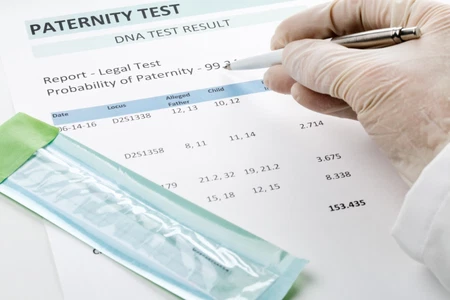
A paternity DNA report is generally designed to indicate whether the tested man is excluded as the biological father or whether the genetic evidence supports paternity. When the tested man’s DNA profile is inconsistent with the child’s genetic profile, the laboratory may report an exclusion. When the genetic markers are consistent with biological fatherhood, the laboratory may provide a probability of paternity and related statistical information. The exact wording used in the report depends on the laboratory and its reporting practices. Consumers should review the entire report rather than interpreting a single number without context. A reliable testing provider should be able to explain the terminology and statistical findings in understandable language. If the result is difficult to interpret, asking the laboratory for clarification is a reasonable step before making personal decisions based on the report.
How Reliable Is a Non-Legal Paternity DNA Test?
The scientific reliability of a paternity DNA test depends on the testing laboratory, its methodology, quality-control procedures, and the quality of the biological samples submitted. The non-legal designation itself does not necessarily mean that the DNA analysis is inaccurate. Instead, it generally refers to the intended personal use and the way samples are collected and documented. Consumers should investigate the provider before ordering and look for clear information about its testing procedures. It is also important to follow all collection instructions to reduce the possibility of sample problems. A reputable provider should explain what its test includes and how results are reported. By understanding these factors, individuals can make a more informed decision when selecting a Non-Legal Peace of Mind Paternity DNA Test Philippines service.
Choosing a Paternity Testing Provider in the Philippines
Selecting a testing provider requires more than comparing advertised prices. Consumers should consider the provider’s laboratory procedures, sample collection methods, privacy policies, customer support, processing times, and reporting practices. The provider should clearly explain whether the selected service is intended for personal use or formal legal purposes. Pricing should also be transparent, including any possible fees for additional participants or expedited processing. Privacy deserves special attention because DNA results contain sensitive biological information that can affect family relationships. Consumers may also want to ask how samples are stored, how long they are retained, and who can access the results. A provider that communicates these details clearly can make the overall testing experience more understandable and predictable.
Protecting Privacy During Paternity Testing
Paternity results can contain information that affects more than one individual, which makes privacy an important part of the testing process. Before submitting samples, consumers should review the provider’s policies concerning personal information, DNA samples, reports, and data storage. It is useful to understand whether biological samples are retained after analysis and how they are handled afterward. Participants should also know how results are delivered and who is authorized to receive them. Sharing DNA results without considering the privacy of everyone involved can create unnecessary family conflict. Choosing a provider with clear privacy practices can help participants understand how their information will be handled. Taking these precautions is particularly important when the testing involves sensitive family circumstances.
Preparing Emotionally Before Receiving the Results
A DNA test can answer a biological question, but the information it provides may have consequences for family relationships. Before testing, participants should think about how they might respond to different possible outcomes. A result confirming biological paternity may bring reassurance, while an unexpected result may create difficult emotions or conversations. It can be helpful to consider who should be informed and how the results should be discussed. Participants should avoid treating the test as a way to prove wrongdoing or assign blame. The purpose of testing should remain focused on obtaining accurate biological information. When the situation is emotionally difficult, talking with a trusted person or qualified counselor may help individuals process the information appropriately.
Understanding the Cost of a Peace-of-Mind Paternity Test
The price of a peace of mind paternity test can vary depending on the provider and the services included. Some factors that may affect the cost include the number of participants, sample collection arrangements, laboratory processing, and the requested turnaround time. Additional participants may involve additional laboratory charges. Expedited processing may also cost more than standard testing. Consumers should ask for a complete price breakdown before ordering so they know which services are included. Choosing a provider solely because it advertises the lowest price may not provide the best value if important services or information are excluded. A better approach is to compare the overall service, including laboratory quality, privacy, transparency, support, and reporting.
How Long Will the Testing Process Take?
The total time required for a paternity test can depend on several stages of the process. These may include ordering the test, collecting the samples, transporting them to the laboratory, processing the DNA, and preparing the final report. Shipping can affect the timeframe, particularly when samples need to travel from another location. The laboratory’s stated processing period may begin only after it receives acceptable samples. Consumers should ask the provider whether the quoted turnaround time includes transportation. Some laboratories may offer faster processing for an additional fee. Understanding these details before testing can help individuals establish realistic expectations about when they are likely to receive their report.
Situations Where a Non-Legal Test May Not Be Appropriate
A non-legal test may be suitable when someone wants personal information and has no current need to use the results in a formal proceeding. However, it may not be appropriate when the results are expected to be submitted to a court or another organization requiring officially documented testing. Legal testing commonly requires identity verification and controlled sample collection. These procedures help establish the authenticity and chain of custody of the samples. If someone later discovers that a personal-use test does not satisfy an official requirement, another test may be necessary. Individuals who anticipate a legal need should therefore discuss their circumstances with a qualified testing provider before choosing a service. Making this distinction early can prevent additional expenses, delays, and confusion.
Important Questions to Ask Before Ordering
Consumers can make the testing process easier by preparing questions before selecting a provider. They should ask whether the test is specifically intended for non-legal personal use and whether the laboratory explains its testing methodology. It is also useful to ask which participants should provide samples and what collection method will be used. Questions about pricing, processing time, privacy, sample storage, and report delivery should also be addressed. If there is any possibility that the results may later be needed for a legal purpose, this should be mentioned before testing begins. Understanding these details can help ensure that the selected service matches the consumer’s actual needs. A transparent provider should be willing to explain the process without making unrealistic promises about what the test can establish.
Frequently Asked Questions
What is a Non-Legal Peace of Mind Paternity DNA Test Philippines service?
A Non-Legal Peace of Mind Paternity DNA Test Philippines service is generally intended for individuals who want personal information about biological paternity. It typically involves comparing DNA from an alleged father and child. The results are primarily intended for private knowledge rather than formal legal proceedings. The collection process may therefore be simpler than a legally documented test. Consumers should confirm the provider’s specific procedures before ordering.
Is a non-legal paternity test scientifically reliable?
The reliability of a test depends on the laboratory’s procedures, testing methodology, sample quality, and quality-control practices. Non-legal status primarily concerns the intended use and collection documentation. It does not automatically mean the laboratory’s DNA analysis is unreliable. Consumers should research the provider and understand its procedures. Proper sample collection is also important for obtaining usable results.
What DNA sample is usually collected?
Cheek or buccal swabs are commonly used for paternity testing. They collect cells from inside the cheek that contain DNA. The procedure is generally simple and non-invasive. Participants should follow the testing provider’s collection instructions carefully. Incorrect collection or handling may result in the need for another sample.
Does the mother have to participate?
The mother may not always need to provide a DNA sample for a father-child comparison. However, including her sample can sometimes provide additional information for the laboratory. The requirements depend on the provider and testing circumstances. Consumers should ask which participants are recommended for their specific test. Additional participants may also affect the total cost.
Can a peace-of-mind test be used for court?
A non-legal test may not meet the documentation requirements for court use. Legal testing generally includes identity verification and controlled sample collection. These procedures help establish a documented chain of custody. If legal use is possible, consumers should tell the provider before testing. Selecting the appropriate testing format from the beginning can prevent the need for repeat testing.
How long does paternity testing take?
Turnaround time varies by provider and depends on sample transportation, laboratory processing, and the selected service. Some providers may offer expedited options. Consumers should ask when the processing period begins and whether shipping time is included. They should also ask what happens if a sample cannot be processed. Clear information about timing can make the process easier to manage.
What does a paternity test result mean?
A report may indicate that the tested man is excluded as the biological father or that the genetic evidence strongly supports paternity. The exact terminology varies by laboratory. Results should be interpreted using the complete report rather than a single number. The testing provider should be able to explain technical terminology. Consumers can request clarification if any part of the report is unclear.
How can I protect my privacy during testing?
Consumers should review the provider’s privacy and data-handling policies before submitting DNA samples. They should understand who can access the results and how reports are delivered. It is also useful to ask whether DNA samples are stored after testing. Sensitive results should be shared carefully with trusted individuals. Selecting a provider with transparent privacy policies can provide greater confidence throughout the process.
What should I consider before taking a paternity test?
Consumers should consider the purpose of testing, the participants involved, potential emotional effects, cost, privacy, and intended use of the results. They should determine whether they need a non-legal or legal test before collecting samples. It is also important to choose a provider that clearly explains its procedures. Preparing for different possible results can help individuals manage the personal implications. Asking questions before testing can prevent misunderstandings later.
Takeaway
A Non-Legal Peace of Mind Paternity DNA Test Philippines can offer individuals a private way to obtain scientifically based information about biological paternity. The process commonly uses cheek-swab samples and compares genetic markers between an alleged father and child. Its main distinction from legal testing is the intended personal use and the absence of certain formal identification and chain-of-custody procedures. Anyone considering this type of testing should carefully evaluate the provider’s laboratory practices, privacy policies, pricing, turnaround time, and customer support. It is equally important to determine whether the results are strictly for personal knowledge or may eventually be needed for an official purpose. Because paternity results can affect family relationships, participants should approach testing with honesty, sensitivity, and realistic expectations. Choosing the appropriate testing service and understanding the process beforehand can make it easier to obtain meaningful answers while protecting the privacy and interests of everyone involved.