Pressure ulcers, also known as bedsores or decubitus ulcers, can develop quickly in patients who are bedridden, recovering from surgery, or living with limited mobility. Effective Pressure Ulcer Management is crucial to prevent infection, reduce pain, and improve the overall quality of life for patients. At Kalingap Wound Care Clinic, our team provides advanced and compassionate care for individuals dealing with these chronic wounds. Located in Quezon City and serving Metro Manila, the clinic combines medical expertise with the warmth and values of Filipino care.
Recognizing pressure ulcers early and managing them professionally can dramatically improve healing outcomes. Families and caregivers often struggle to handle bedsores without guidance, which can lead to prolonged recovery and avoidable complications. Kalingap Wound Care Clinic focuses on personalized care that addresses both the wound and the overall well-being of the patient, ensuring every step of the healing process is supported with expert guidance.
Understanding Pressure Ulcers
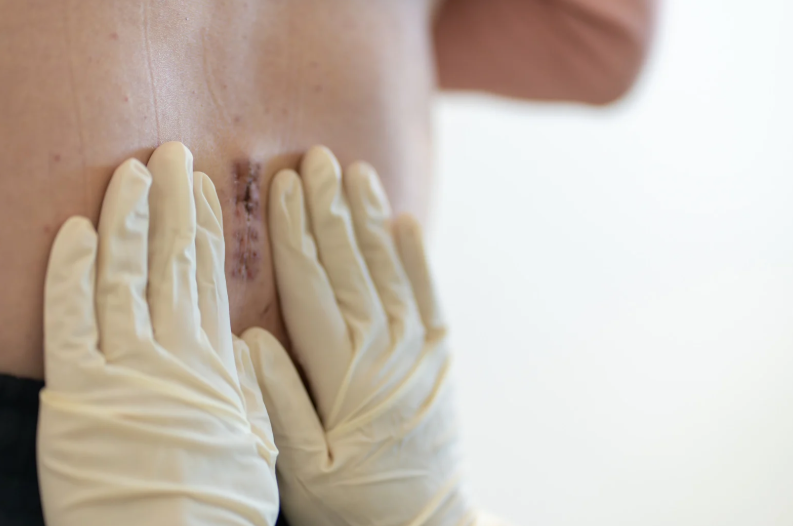
Pressure ulcers occur when prolonged pressure reduces blood flow to specific areas of the body, causing skin and tissue damage. They frequently appear on areas where bones are close to the skin, including the heels, elbows, hips, and sacrum. The development of pressure ulcers can range from mild reddening of the skin to severe tissue loss and infection, categorized in four stages. Stage I presents as redness with no skin break, Stage II involves partial-thickness skin loss, Stage III shows full-thickness tissue loss, and Stage IV can extend into muscle and bone. Understanding the severity is vital for proper Pressure Ulcer Management.
Individuals at higher risk include those confined to a bed or wheelchair, elderly patients, individuals recovering from surgery, and patients with conditions that reduce mobility or circulation. Nutrition, hydration, and skin care play important roles in both prevention and treatment. Neglecting proper care can result in complications such as severe infections, sepsis, delayed healing, and reduced quality of life. This makes professional Pressure Ulcer Management a critical component of patient care.
Kalingap’s Approach to Pressure Ulcer Management
Kalingap Wound Care Clinic offers a structured and comprehensive approach to Pressure Ulcer Management that integrates modern medical technology, evidence-based practices, and compassionate care. Each patient receives a personalized assessment to determine the most appropriate treatment strategies.
Advanced wound assessment is the first step in effective Pressure Ulcer Management. Our specialists evaluate the wound using evidence-based tools, assess the patient’s overall health, and design a tailored care plan. This ensures every treatment addresses the unique needs of the patient while targeting optimal healing outcomes.
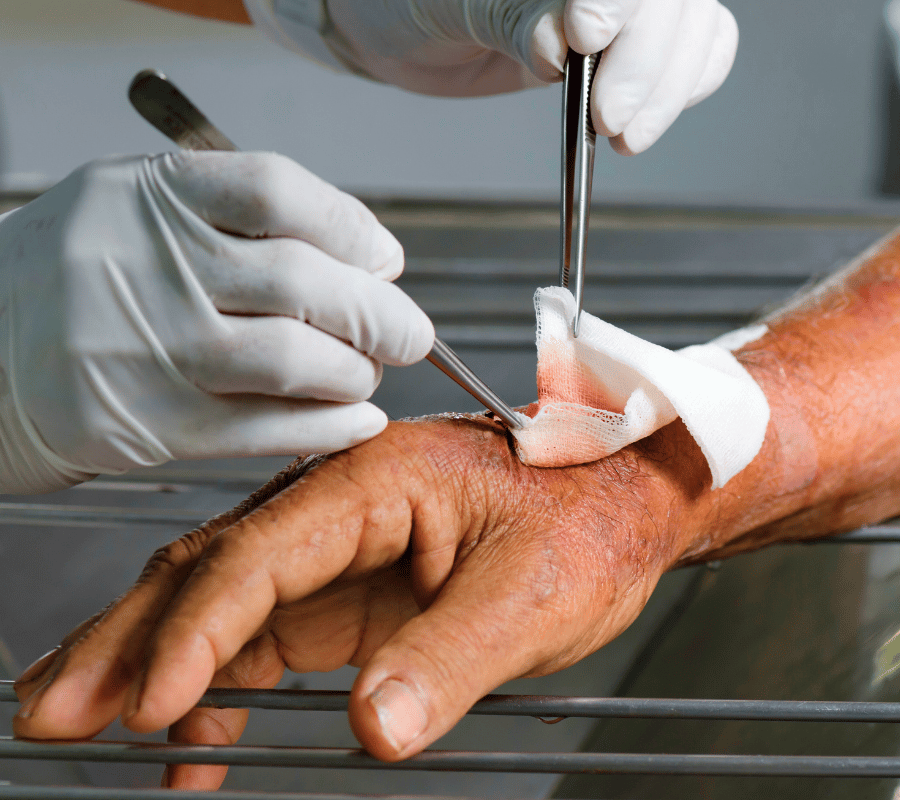
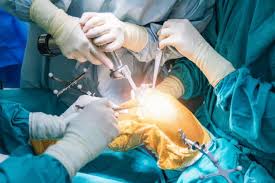
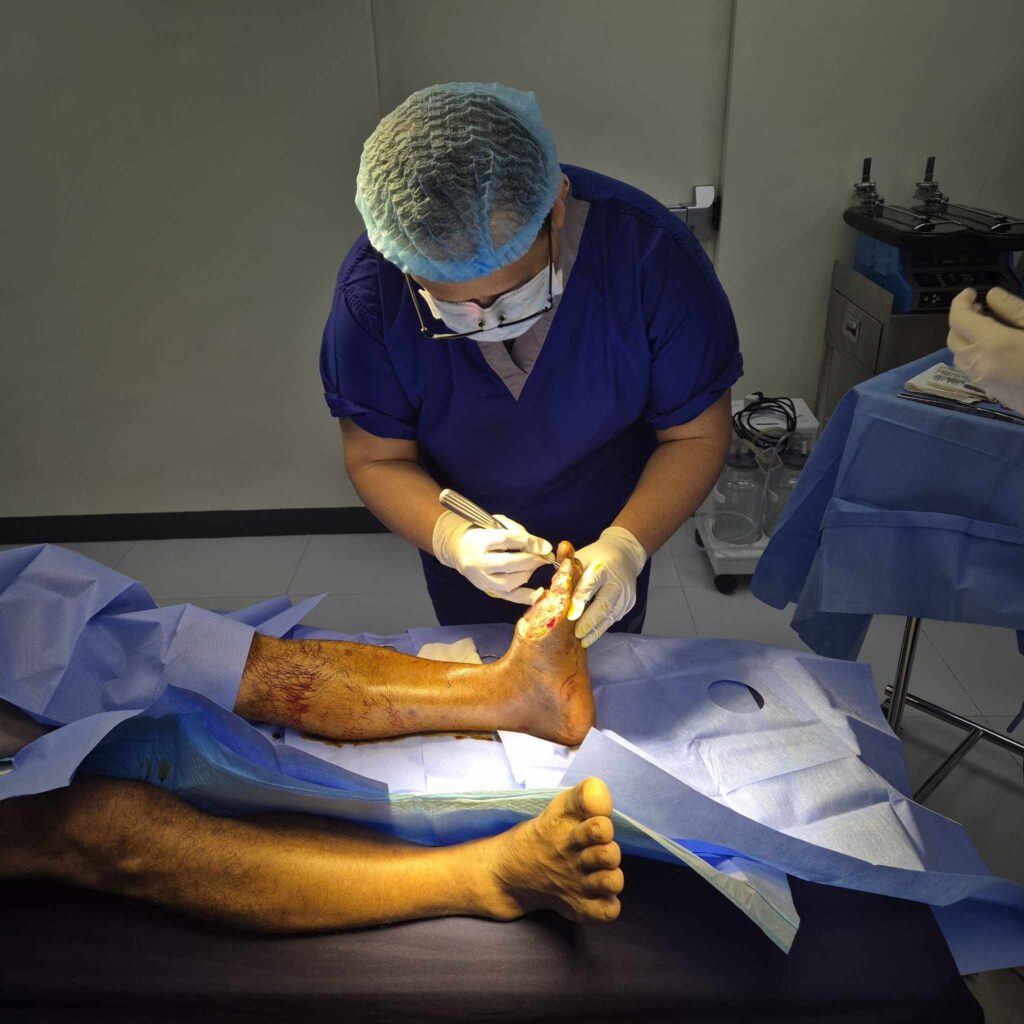
Ultrasonic debridement is an important treatment option for many patients. This method gently removes dead or damaged tissue to reduce the risk of infection and stimulate healing. It is less invasive than traditional methods and helps prepare the wound bed for further treatment, making it an essential component of comprehensive Pressure Ulcer Management.
Negative Pressure Wound Therapy (NPWT) is another key element of our approach. This therapy involves using a vacuum-assisted device to enhance blood flow, reduce swelling, and accelerate healing for deep or stubborn pressure ulcers. NPWT has proven highly effective in managing complex wounds, helping patients recover faster and with fewer complications.
Infection control and chronic wound management are also central to our practice. Early detection of infections and careful monitoring prevent deterioration and promote healing. Long-term care strategies support patients with persistent ulcers, ensuring that chronic wounds receive consistent attention and treatment to minimize discomfort and improve outcomes.
Education and prevention programs are a cornerstone of Kalingap’s Pressure Ulcer Management strategy. Caregivers and patients receive guidance on proper hygiene, repositioning techniques, nutrition, and movement strategies to prevent ulcers from developing or worsening. This proactive approach empowers families and promotes sustained patient health, reducing the likelihood of future complications.
Meet Dr. Lou Mervyn Tec – Expert Care You Can Trust
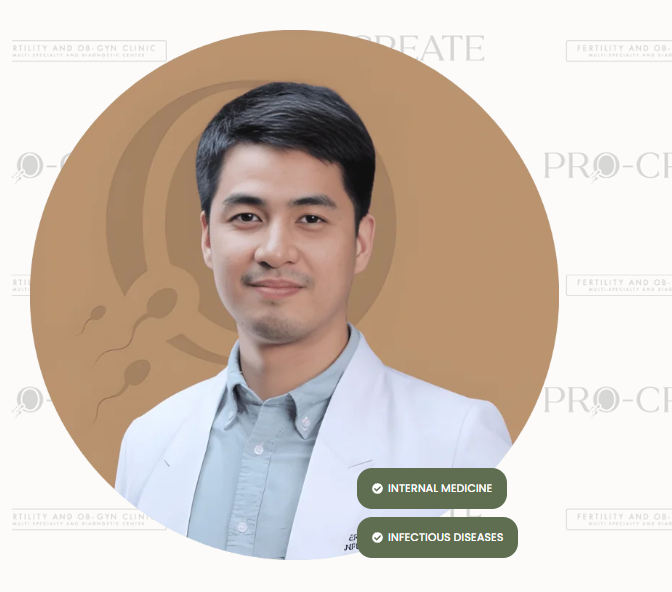
Dr. Lou Mervyn Tec, MD, FPOA, is a board-certified orthopedic surgeon and a leading wound care specialist in the Philippines. As head of the Kalingap Wound Care Program, he manages complex wounds with advanced methods including ultrasonic-assisted debridement and negative pressure wound therapy.
Dr. Tec earned his medical degree from the University of the Philippines and completed further training in Japan and Australia. His approach to Pressure Ulcer Management combines technical expertise with compassion, guided by Filipino values of kalinga (care) and lingap (nurture). Each patient receives personalized attention that addresses both physical healing and emotional well-being, ensuring a holistic approach to chronic wound care.
Prevention Tips for Caregivers and Patients
Effective Pressure Ulcer Management begins with prevention. Families and caregivers play a vital role in protecting patients from developing bedsores. Repositioning the patient at regular intervals reduces pressure on vulnerable areas, promoting circulation and preventing tissue breakdown. Using support surfaces such as specialized mattresses or cushions can further alleviate pressure on high-risk areas.
Maintaining skin hygiene and moisture balance is critical. Gentle cleansing, avoiding harsh soaps, and keeping skin dry helps protect against irritation and breakdown. Balanced nutrition and hydration support tissue repair and strengthen the body’s natural healing mechanisms, making recovery more efficient.
Educating caregivers and patients about early signs of pressure ulcers is essential. Redness, swelling, warmth, or tenderness can indicate the onset of a pressure ulcer. Prompt consultation with a wound care specialist ensures that proper Pressure Ulcer Management strategies are implemented before the condition worsens.
Regular professional assessments are another key component. Even minor pressure points can escalate into severe ulcers without careful monitoring. By combining prevention strategies with early medical intervention, patients can avoid complications and enjoy a higher quality of life.
Why Choose Kalingap Wound Care Clinic
Kalingap Wound Care Clinic delivers patient-centered Pressure Ulcer Management that combines advanced technology with compassionate care. Our team focuses on accessibility and affordability, ensuring that families in Metro Manila can access the care they need without undue financial burden.
The clinic’s name, “Kalingap,” reflects Filipino values—kalinga (care) and lingap (nurture). This philosophy guides our approach, emphasizing empathy, family support, and community-centered care. Patients benefit not only from medical expertise but also from education, preventive care, and emotional support, creating a comprehensive healing environment.
Kalingap also provides outreach programs and partnerships that extend care to underserved communities, bridging gaps and ensuring that more individuals receive high-quality Pressure Ulcer Management. Our focus on prevention, education, and long-term support makes us a trusted choice for patients and caregivers throughout Metro Manila.
Frequently Asked Questions (FAQ)
What are the early signs of a pressure ulcer?
Early signs include redness, swelling, warmth, tenderness, or slight discoloration on areas under prolonged pressure. Stage I ulcers can appear without skin break, so monitoring high-risk areas is crucial.
How long does it take for a pressure ulcer to heal?
Healing time varies depending on the stage, patient health, and care provided. Stage I ulcers may heal within days, while Stage III and IV ulcers may take weeks or months with proper Pressure Ulcer Management.
Can pressure ulcers be prevented?
Yes. Prevention includes regular repositioning, using pressure-relieving surfaces, maintaining skin hygiene, proper nutrition, and timely professional assessments. Education and caregiver support are key to prevention.
What treatments are available at Kalingap Wound Care Clinic?
Treatments include advanced wound assessment, ultrasonic debridement, negative pressure wound therapy, infection management, chronic wound care, and personalized prevention programs.
Is Pressure Ulcer Management expensive?
Kalingap Wound Care Clinic prioritizes accessibility and affordability. Through practical strategies and community programs, patients can access professional wound care without compromising quality.
Who should manage pressure ulcers?
Pressure ulcers should be managed by trained medical professionals. Orthopedic surgeons, wound care specialists, and trained caregivers working together provide the best outcomes.
Can family members help with Pressure Ulcer Management at home?
Yes. With guidance from professionals, family members can assist in repositioning, skin care, and monitoring for early signs, complementing clinical treatments for better results.
Kalingap Wound Care Clinic provides comprehensive Pressure Ulcer Management in Quezon City and Metro Manila, combining medical expertise with Filipino compassion. Every treatment is designed to promote healing, prevent complications, and support patients and caregivers throughout the recovery journey. Early intervention, proper care, and ongoing education are the cornerstones of preventing and managing pressure ulcers effectively.