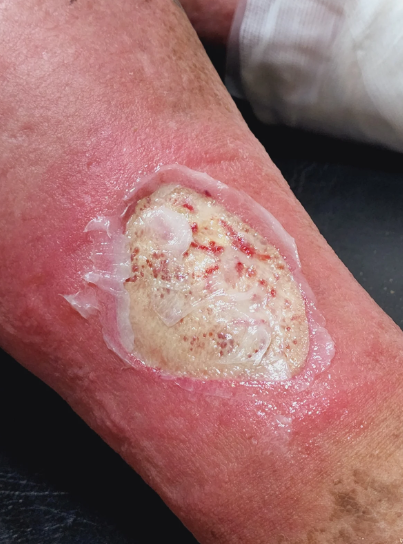
Proper 2nd Degree Burn Wound Care is essential for promoting fast recovery, preventing infection, and minimizing scarring. Second-degree burns, also known as partial-thickness burns, affect both the outer layer of skin (epidermis) and part of the underlying layer (dermis). These burns often cause redness, blistering, pain, and swelling, making professional treatment critical for optimal healing. Patients who seek specialized care, such as the services provided by Kalingap Wound Care Clinic, benefit from advanced treatments that accelerate recovery and improve outcomes.
Understanding 2nd Degree Burns
2nd Degree Burn Wound Care begins with a clear understanding of the burn type. Unlike first-degree burns, which only affect the outer skin layer, second-degree burns penetrate deeper and can form blisters. Third-degree burns, on the other hand, destroy both the dermis and underlying tissues. Common causes of second-degree burns include scalding from hot liquids, contact with hot surfaces, chemical exposure, and fire-related accidents. Proper assessment by burn care specialists ensures accurate diagnosis and personalized treatment plans, which are essential to avoid infections and long-term complications.
Traditional Burn Wound Care vs. Advanced Treatments
Traditional burn care often involves basic cleansing, application of antibiotic ointments, and standard dressings. While these methods can manage minor burns, they may not fully address the complex healing needs of 2nd Degree Burn Wound Care. Advanced treatments offer significant improvements in healing speed, infection prevention, and scar reduction. Choosing specialized clinics like Kalingap Wound Care Clinic ensures access to the latest therapies tailored specifically for 2nd-degree burns.
Advanced Treatments for 2nd Degree Burns
Modern Dressing Techniques
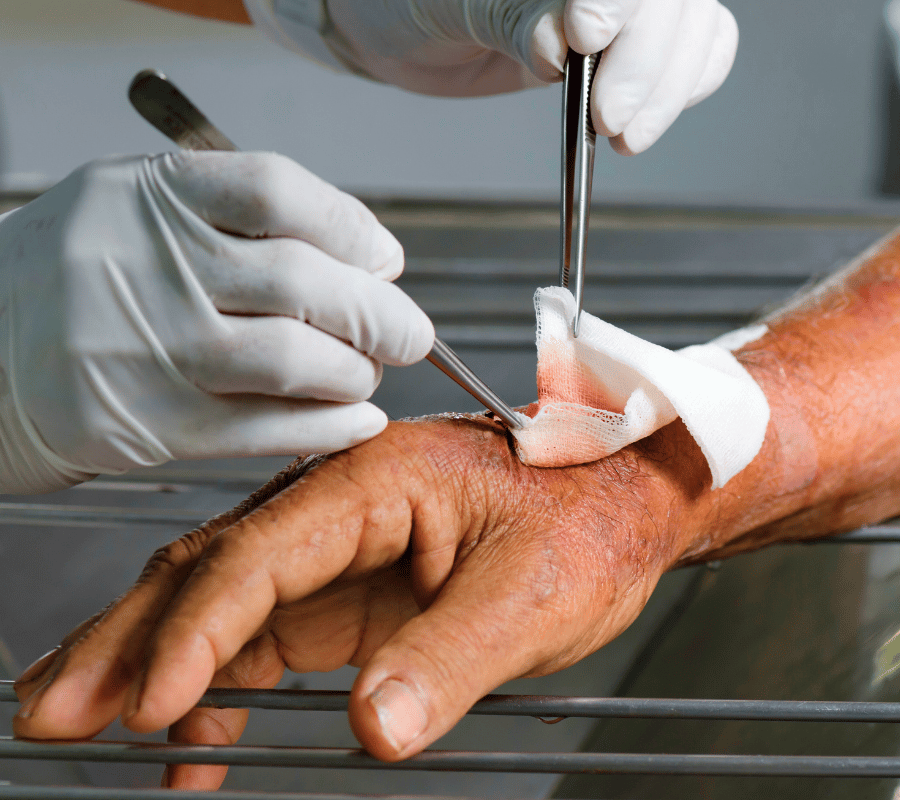
Modern dressings play a vital role in 2nd Degree Burn Wound Care. Hydrocolloid and hydrogel dressings maintain a moist environment that promotes faster epithelialization. Silver-impregnated dressings offer antimicrobial protection to prevent infection, while nanofiber and bioengineered skin substitutes support tissue regeneration and reduce scarring. These advanced dressings are a cornerstone of effective burn wound management and are widely used at Kalingap Wound Care Clinic.
Regenerative Therapies
Regenerative therapies have transformed 2nd Degree Burn Wound Care. Stem cell treatments stimulate tissue growth, while growth factors accelerate the healing process by promoting cell proliferation. Platelet-rich plasma (PRP) therapy enhances recovery by delivering concentrated growth factors directly to the wound site. These treatments reduce recovery time and improve cosmetic outcomes, allowing patients to regain skin function more quickly under the care of expert specialists.
Pain Management & Infection Control
Effective 2nd Degree Burn Wound Care requires careful pain management and infection prevention. Advanced topical analgesics help control discomfort without relying heavily on systemic medications. Antimicrobial innovations protect the wound from bacterial infections, a critical step in reducing complications. Clinics like Kalingap Wound Care Clinic combine these therapies with close monitoring to ensure safe and effective recovery.
Laser & Phototherapy Treatments
Laser and phototherapy are emerging as essential tools in advanced 2nd Degree Burn Wound Care. Low-level laser therapy (LLLT) stimulates cellular repair, while photobiomodulation reduces inflammation and promotes faster tissue regeneration. These technologies support the healing process, decrease pain, and help minimize long-term scarring, offering patients more predictable and favorable outcomes.
The Role of Personalized Burn Care
Every burn is unique, which makes personalized 2nd Degree Burn Wound Care critical. Individualized treatment plans consider the burn location, severity, patient health, and risk of infection. Advanced clinics utilize imaging and digital assessment tools to track healing progress and adjust treatment strategies. Physical therapy and rehabilitation are also integrated into comprehensive care plans to restore mobility, function, and skin integrity. Kalingap Wound Care Clinic provides tailored plans that optimize recovery while minimizing the physical and emotional impact of burns.
Tips for Supporting Recovery at Home
Even with professional care, patients play a role in their 2nd Degree Burn Wound Care recovery. Proper cleaning, dressing changes, and monitoring for infection are essential. Maintaining a nutrient-rich diet supports skin regeneration, while hydration aids in tissue repair. Patients should watch for signs of infection such as increasing redness, swelling, or pus and report these immediately to burn care specialists for timely intervention.
Choosing the Right Burn Care Specialist
Selecting a qualified burn care specialist is vital for effective 2nd Degree Burn Wound Care. Experienced clinicians provide access to advanced treatments, continuous monitoring, and follow-up care that significantly improve healing outcomes. Kalingap Wound Care Clinic stands out as the premier provider, offering state-of-the-art therapies, personalized care, and a team of experts committed to helping patients recover safely and efficiently.
Takeaway
Advanced 2nd Degree Burn Wound Care enhances recovery, minimizes scarring, and prevents complications. Combining modern dressings, regenerative therapies, pain management, laser treatments, and personalized care ensures the best outcomes. Patients seeking expert guidance and access to these advanced treatments should consult Kalingap Wound Care Clinic, where specialized care makes recovery faster, safer, and more effective.
FAQ
What is the fastest way to heal a 2nd degree burn?
Advanced treatments like hydrogel dressings, stem cell therapy, and PRP under the supervision of burn care specialists can significantly accelerate healing.
Are advanced burn treatments painful?
Most advanced 2nd Degree Burn Wound Care treatments are minimally invasive, and pain management options are integrated to ensure patient comfort.
Can 2nd degree burns heal without scarring?
While scarring is possible, advanced therapies and proper wound management greatly reduce its severity.
When should I see a burn care specialist?
Any 2nd-degree burn that blisters, is larger than the palm of your hand, or shows signs of infection should be evaluated promptly by specialists.
What are the latest technologies for burn wound healing?
Modern dressings, bioengineered skin substitutes, stem cell therapy, platelet-rich plasma, and laser/phototherapy are at the forefront of 2nd Degree Burn Wound Care.