A bedsore doctor plays a crucial role in protecting patients from the serious complications caused by pressure ulcers. Families often struggle when wounds appear on the back, hips, ankles, or heels, especially when a loved one has limited movement. Without proper treatment, these wounds can worsen quickly and affect the patient’s overall health. A bedsore doctor understands the complexity of these conditions and offers medical guidance that leads to safer recovery, improved comfort, and better long-term outcomes.
A growing number of patients rely on home care support, hospital beds, or long-term care facilities. These situations can create continuous pressure on certain areas of the body, making bedsores more common. A dependable bedsore doctor helps prevent further damage by identifying early signs, providing advanced treatments, and creating plans designed around the patient’s specific needs. This level of expertise ensures families receive the support they need during difficult situations.
What a Bedsore Doctor Evaluates During the First Visit
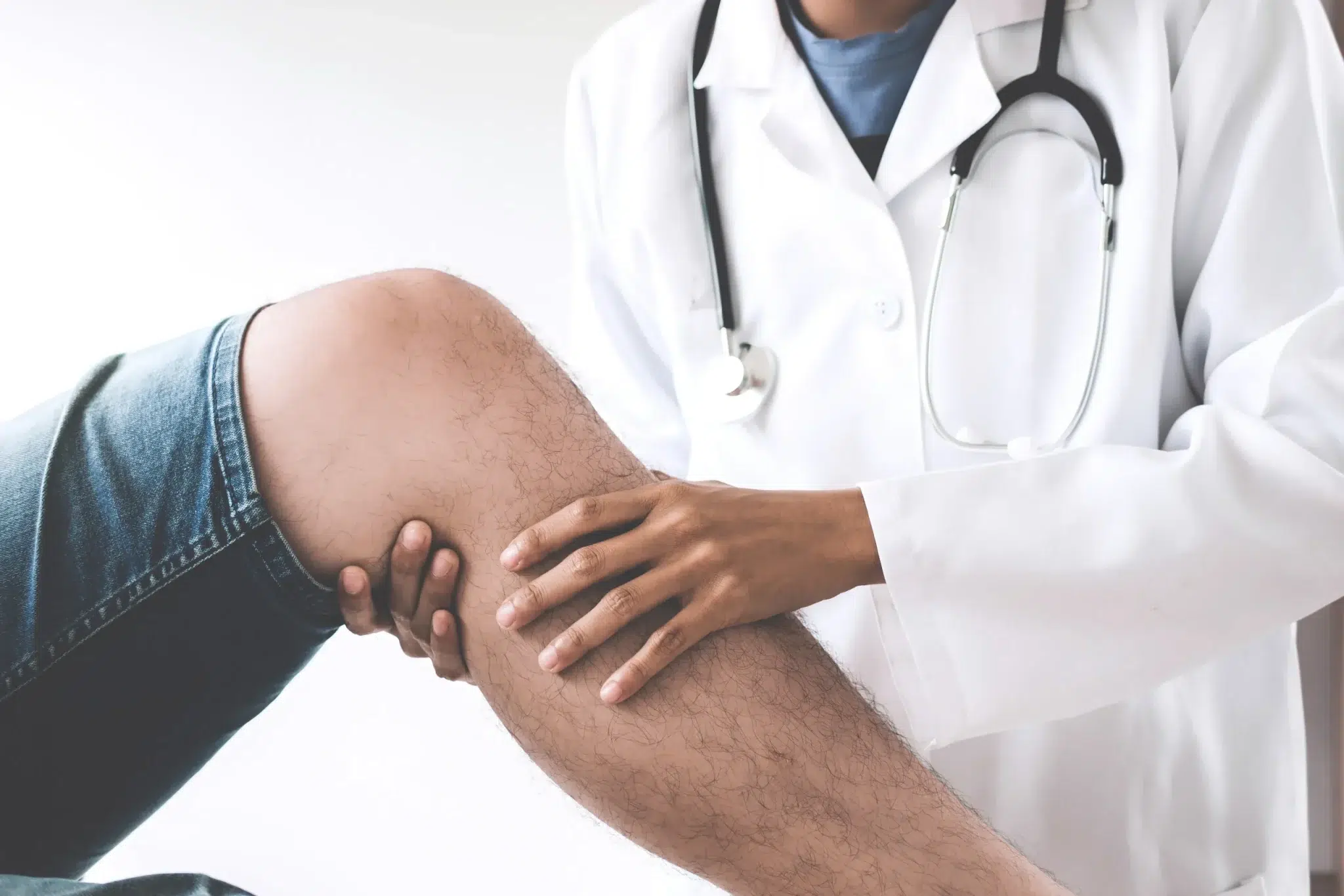
A bedsore doctor begins with a thorough assessment that helps determine the condition of the wound and the patient’s overall health. The first step often involves checking the depth of the wound, the color of the surrounding skin, and the presence of swelling, warmth, or discomfort. These indicators help the bedsore doctor identify the stage of the pressure ulcer, from early redness to deep tissue involvement.
A skilled bedsore doctor also checks for possible infection. The presence of discharge, foul odor, or fever suggests the wound requires urgent care. The patient’s mobility level, nutritional status, hydration habits, and underlying illnesses such as diabetes or vascular problems also play a major role during the assessment. These details guide the bedsore doctor in creating a targeted treatment plan.
Medications, daily routines, and wound history are reviewed as well. Each step during the first visit shapes a strategy that promotes faster recovery and prevents new wounds from forming. A bedsore doctor carefully examines all contributing factors to ensure treatment addresses both the wound and the patient’s overall well-being.
How a Bedsore Doctor Treats Different Stages of Pressure Ulcers
A bedsore doctor adjusts the treatment approach according to the stage of the wound. Early-stage wounds show mild redness and irritation. At this point, a bedsore doctor can help by recommending pressure relief, gentle cleaning, and protective dressings. Quick action helps reverse early damage before deeper layers of skin are affected.
For stage 2 wounds, where the skin begins to break, a bedsore doctor focuses on preventing infection and maintaining proper moisture balance. Medical-grade dressings protect the affected area while supporting new tissue growth.
Stage 3 and stage 4 pressure ulcers require more advanced care because these wounds reach deeper layers such as fat or muscle. A bedsore doctor plays a key role through precise cleaning, advanced dressings, and close monitoring. These patients often face higher risks of infection, slow healing, and severe discomfort. Timely treatment from a bedsore doctor significantly reduces complications.
Each stage calls for a different strategy. A dedicated bedsore doctor ensures the wound receives the correct care at the correct time, reducing the chance of long-term damage.
Advanced Procedures a Bedsore Doctor May Recommend
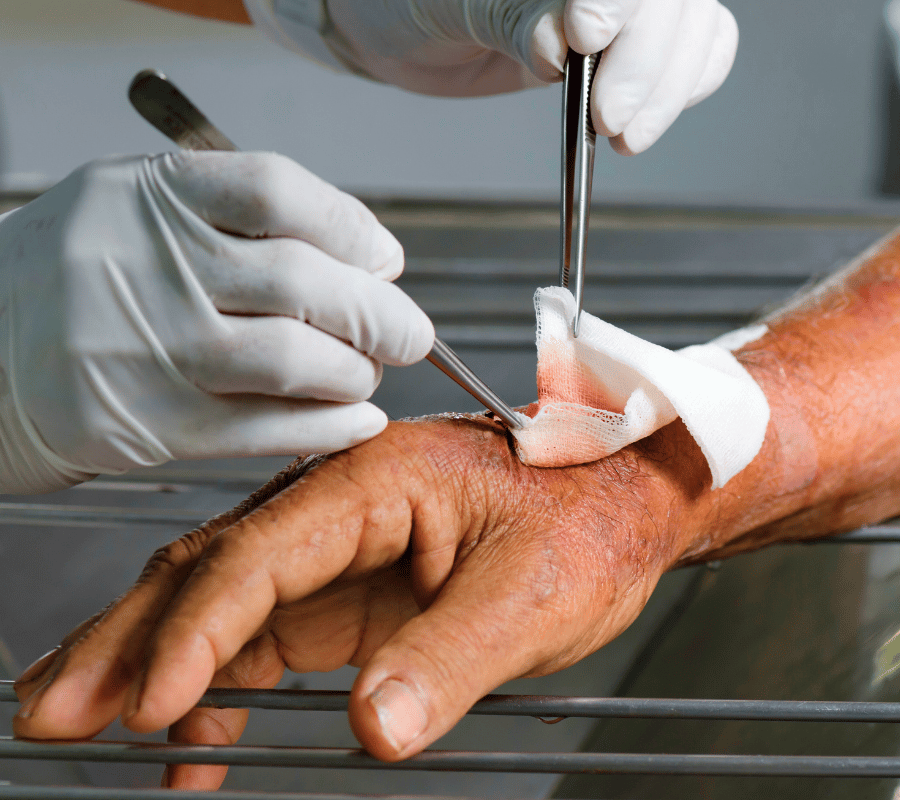
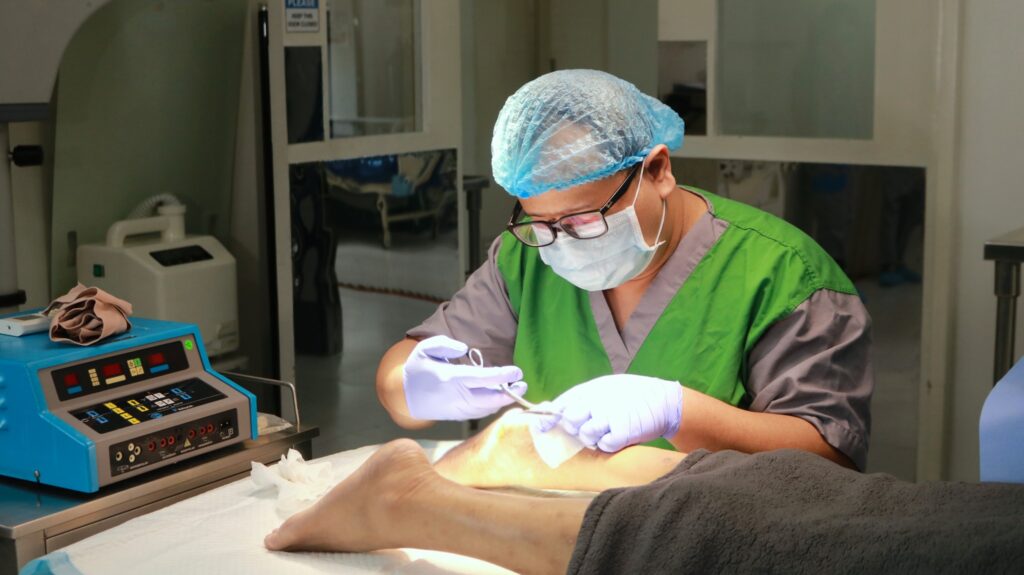
A bedsore doctor often uses specialized procedures to speed up recovery. One common procedure is debridement, which removes dead or infected tissue from the wound. This gives healthy tissue space to grow and supports faster healing. A bedsore doctor may choose from surgical, mechanical, enzymatic, or ultrasonic methods depending on the wound’s condition.
Negative pressure wound therapy (NPWT) is another advanced option. A bedsore doctor uses a vacuum-assisted system that gently removes excess fluids, reduces swelling, and encourages blood flow. This method is known for improving wound appearance and accelerating recovery.
A bedsore doctor may also apply moisture-retaining dressings, antimicrobial foam, or hydrocolloid materials. These dressings protect the wound from bacteria and maintain the ideal environment for new tissue formation. When infections arise, a bedsore doctor provides targeted antibiotics and cleaning solutions to prevent deeper complications.
Consistent follow-up appointments help track progress. A bedsore doctor monitors changes in wound size, color, and texture to make timely adjustments to the treatment plan.
How a Bedsore Doctor Helps with Pain Management and Patient Comfort
Pressure ulcers often cause discomfort, especially when the patient moves or during wound cleaning. A bedsore doctor aims to reduce pain by choosing dressings that minimize friction and pressure. Some dressings contain gentle cushioning material that protects sensitive tissue.
Positioning is another focus. A bedsore doctor guides caregivers on safe ways to shift the patient’s body to relieve pressure without causing additional strain. These repositioning schedules are essential for preventing new wounds and supporting a smoother healing process.
A bedsore doctor also considers emotional well-being. Long-term wounds can cause stress, embarrassment, or frustration. Supportive communication helps patients feel more secure and confident during the recovery journey. By addressing both physical and emotional concerns, a bedsore doctor helps patients gain comfort and a sense of stability.
Why Nutrition and Lifestyle Matter in Bedsore Healing
A bedsore doctor understands that the body needs proper fuel for wound recovery. Protein-rich foods, vitamins, and minerals strengthen the skin and support cell repair. A lack of nutrients can slow down healing, especially for elderly patients or those with chronic illnesses.
Hydration is also important. A bedsore doctor may advise patients to increase water intake to keep tissues healthy and improve circulation. Better circulation helps carry oxygen and nutrients to the wound site, promoting more effective healing.
Blood sugar levels, mobility habits, and skincare routines also influence recovery. A bedsore doctor provides guidance on daily habits that support stronger skin and faster healing. These recommendations help prevent new wounds from forming and reduce the overall healing time.
When to Visit a Bedsore Doctor Immediately
Certain signs require urgent care from a bedsore doctor. Sudden swelling, increased pain, or a change in the wound’s appearance should not be ignored. If the wound develops a foul odor, excessive drainage, or darkened tissue, these may indicate infection.
A fever or sudden drop in patient alertness suggests the infection might be spreading. Any delay in seeking help from a bedsore doctor can lead to serious complications. Families should contact a bedsore doctor as soon as these warning signs appear to avoid life-threatening outcomes.
Slow healing is another reason to seek professional help. If the wound shows little improvement after days or weeks of home care, a bedsore doctor can provide stronger treatments and accurately determine what is slowing down recovery.
How a Bedsore Doctor Supports Caregivers and Family Members
Caregivers play a major role in the recovery of patients with pressure ulcers. A bedsore doctor offers step-by-step demonstrations on cleaning, dressing changes, and safe movement techniques. These instructions protect the patient from further skin damage.
A bedsore doctor also helps caregivers understand proper hygiene, moisture control, and skincare approaches. This guidance is essential for preventing new sores. Regular communication between caregivers and the bedsore doctor ensures that the wound is healing correctly and that adjustments are made promptly when needed.
With proper support and guidance, families gain confidence, reduce stress, and improve the patient’s quality of life.
Why Kalingap Wound Care Clinic Is a Trusted Choice for Those Seeking a Bedsore Doctor
Kalingap Wound Care Clinic offers expert care for patients needing a reliable bedsore doctor. The clinic is known for its advanced wound treatments, compassionate service, and patient-centered approach. Modern care options such as debridement, negative pressure wound therapy, and specialized dressings allow patients to receive effective and affordable support.
Each bedsore doctor at Kalingap considers the patient’s overall health, lifestyle, mobility, and nutrition when forming a plan. This ensures tailored care that supports healing and long-term comfort. Families across Quezon City and Metro Manila trust Kalingap’s dedication to offering safe and accessible wound care for all.
FAQ About Finding a Bedsore Doctor
What qualifications should a bedsore doctor have?
A bedsore doctor should have strong training in wound care management, experience with pressure ulcers, and knowledge of advanced wound therapies.
How long does recovery usually take?
Recovery varies based on the stage of the wound, the patient’s health, and the treatment plan provided by the bedsore doctor.
Can stage 3 or stage 4 bedsores recover fully?
Yes, though recovery requires consistent care from a bedsore doctor, advanced treatments, and proper home support.
Do treatments require hospital admission?
Most cases can be managed at an outpatient clinic, though severe wounds may require temporary hospital-based care.
How often should a patient visit a bedsore doctor?
Regular visits depend on the severity of the wound. A bedsore doctor typically recommends weekly or biweekly follow-ups to monitor progress.