Understanding What Makes an Anal Fistula Persist
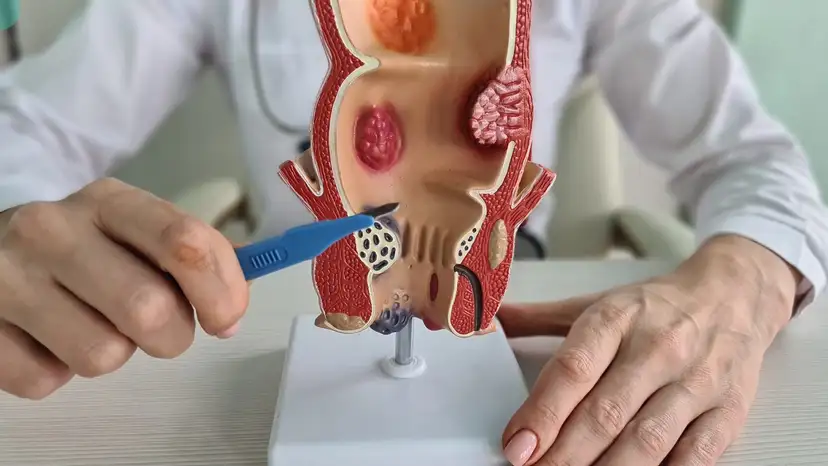
Anal fistulas develop when an abnormal tunnel forms between the anal canal and the surrounding skin, often following an infection or abscess. While some fistulas may respond to early medical care, others remain open for months or even years. A non-healing anal fistula usually indicates that deeper factors are preventing normal tissue repair. Chronic inflammation, repeated infections, and structural complexity all interfere with the body’s ability to close the tract. Over time, constant drainage and irritation weaken nearby tissue, making spontaneous healing unlikely. Without proper intervention, the fistula may expand or branch into multiple pathways. This persistence is often the first sign that surgical evaluation is necessary to address the root cause effectively.
Ongoing Infection as a Primary Reason for Non-Healing
One of the most common causes of a non-healing anal fistula is continuous infection within the tract. Bacteria can remain trapped inside the tunnel, creating a cycle of inflammation and pus formation. Even when antibiotics are used, they often cannot fully penetrate the fistula tract to eliminate the infection. As a result, symptoms such as pain, swelling, and persistent discharge continue. Recurrent abscess formation further damages healthy tissue and delays recovery. The longer the infection remains untreated, the more resistant it becomes to conservative care. In these situations, surgical cleaning and removal of infected tissue becomes essential for long-term healing.
Complex Fistula Pathways That Resist Healing
Not all anal fistulas follow a simple, straight path. Some develop complex networks with multiple branches that extend into surrounding muscles and tissues. These complex fistulas are significantly harder to heal without surgery because each branch can harbor bacteria and inflammation. Imaging studies often reveal hidden tracts that were not initially detected during physical examination. When these pathways remain untreated, they continue to reopen the main fistula. Complexity also increases the risk of recurrence after incomplete treatment. Surgical techniques are often required to fully address every tract and prevent future infections.
Inflammatory Bowel Diseases and Their Role
Underlying inflammatory bowel diseases, particularly Crohn’s disease, are strongly linked to non-healing anal fistulas. Chronic inflammation from these conditions affects the digestive tract and surrounding tissues, making wound healing much slower. Even small fistulas can persist when the immune system is constantly activated. Medical therapy alone may control symptoms but may not close the fistula completely. These patients often experience repeated flare-ups that reopen healing tissue. Coordinated care between medical management and surgical treatment is often necessary. Surgery focuses on removing diseased tissue while preserving function and minimizing recurrence.
Delayed or Inadequate Initial Treatment
Timely treatment plays a major role in whether an anal fistula heals properly. Delaying medical care allows infection and inflammation to worsen over time. In some cases, only the abscess is treated while the fistula tract itself is left behind. Temporary relief may occur, but the underlying problem remains unresolved. Inadequate drainage or incomplete treatment increases the likelihood of chronic fistula formation. Early evaluation by a specialist can prevent long-term complications. When initial care is insufficient, surgical repair and removal may be the most reliable solution.
Poor Blood Supply and Tissue Damage
Healthy blood flow is essential for tissue repair, and reduced circulation can severely impair healing. Repeated infections and inflammation damage small blood vessels around the anal area. Scar tissue forms as a result, limiting oxygen and nutrient delivery to the site. Smoking, vascular disease, and previous surgeries further reduce blood supply. Without adequate circulation, the body struggles to regenerate healthy tissue. This environment allows the fistula to remain open and vulnerable to infection. Surgical removal of damaged tissue often restores better healing conditions.
Immune System and Systemic Health Factors
Systemic health conditions significantly influence how well the body heals. Diabetes, for example, slows wound healing and increases the risk of infection. A weakened immune system makes it harder to fight bacteria within the fistula tract. Poor nutrition deprives the body of essential nutrients needed for tissue repair. Chronic illnesses place constant stress on the body’s healing mechanisms. Even with proper hygiene, these factors can prevent closure of the fistula. Surgery may become necessary when the body cannot heal the tract on its own.
Presence of Foreign Material or Retained Debris
Foreign material within the fistula tract can prevent healing and maintain chronic irritation. This may include retained surgical sutures, debris, or inflamed tissue fragments. These materials act as a constant trigger for inflammation. The body recognizes them as irritants and responds with ongoing immune activity. This reaction prevents the fistula walls from closing. Imaging and careful examination are often required to identify these hidden causes. Surgical removal ensures that no irritants remain to interfere with recovery.
Recurrent Fistulas After Previous Procedures
Some anal fistulas return even after prior treatment or surgery. Scar tissue from earlier procedures can alter normal anatomy and create new pathways. Incomplete removal of the original tract is another common cause of recurrence. Each recurrence increases tissue damage and complicates future treatment. Patients may feel discouraged after repeated flare-ups. Careful reassessment is crucial to determine why previous treatments failed. Advanced surgical approaches are often required for lasting resolution.
When Surgery Becomes the Most Effective Option
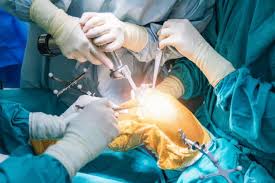
Surgery is typically recommended when conservative measures fail to resolve the fistula. Persistent pain, drainage, and infection are clear indicators that healing is unlikely without intervention. Anal fistula repair and removal aims to eliminate the tract while preserving sphincter function. Modern surgical techniques are designed to minimize complications and recurrence. Proper timing of surgery improves outcomes and reduces recovery time. The goal is not only symptom relief but long-term healing. When performed by experienced specialists, surgery offers the highest chance of success.
Preparing for Surgical Treatment
Preparation plays a vital role in successful surgical outcomes. Patients undergo imaging and examinations to map the fistula accurately. Understanding the procedure helps reduce anxiety and improve cooperation during recovery. Preoperative planning also addresses underlying conditions such as diabetes or inflammatory disease. Surgeons discuss potential risks and expected healing timelines. Good preparation reduces postoperative complications. This step ensures that anal fistula repair and removal is tailored to each patient’s needs.
Recovery and Long-Term Healing After Surgery
Recovery does not end when the surgery is complete. Proper wound care and hygiene are essential for healing. Patients are advised on diet, bowel habits, and activity restrictions. Follow-up visits help monitor healing progress and detect early signs of recurrence. Lifestyle changes may be recommended to reduce future risk. Healing timelines vary depending on fistula complexity and overall health. With proper care, most patients experience significant improvement in quality of life.
Key Factors That Commonly Lead to Non-Healing Anal Fistulas
Below is a list of common reasons anal fistulas fail to heal and eventually require surgery.
- Persistent bacterial infection within the fistula tract
- Complex or branching fistula pathways
- Underlying inflammatory bowel disease
- Delayed or incomplete initial treatment
- Poor blood supply and damaged tissue
- Systemic health conditions affecting immunity
Frequently Asked Questions
What causes an anal fistula to stop healing naturally
Non-healing occurs when infection, inflammation, or complex anatomy prevents tissue repair. Chronic conditions and delayed treatment also play a role. Without addressing the root cause, healing stalls.
How long should conservative treatment be tried before surgery
The duration varies, but persistent symptoms over several weeks or months often indicate the need for surgical evaluation. Continuous drainage and pain are key warning signs.
Is surgery always required for non-healing anal fistulas
Not always, but surgery becomes necessary when other treatments fail. Anal fistula repair and removal offers the most reliable solution in chronic cases.
Can non-healing anal fistulas lead to serious complications
Yes, untreated fistulas can cause recurrent infections, abscesses, and tissue damage. Long-term inflammation may also affect surrounding muscles.
What is the success rate of surgical treatment
Success depends on fistula complexity and overall health. When properly performed, surgery has a high rate of long-term healing and symptom relief.
Takeaway
Non-healing anal fistulas are often a sign of deeper issues such as chronic infection, complex anatomy, or underlying health conditions. When these factors prevent natural healing, surgical intervention becomes the most effective path toward lasting relief and improved quality of life.