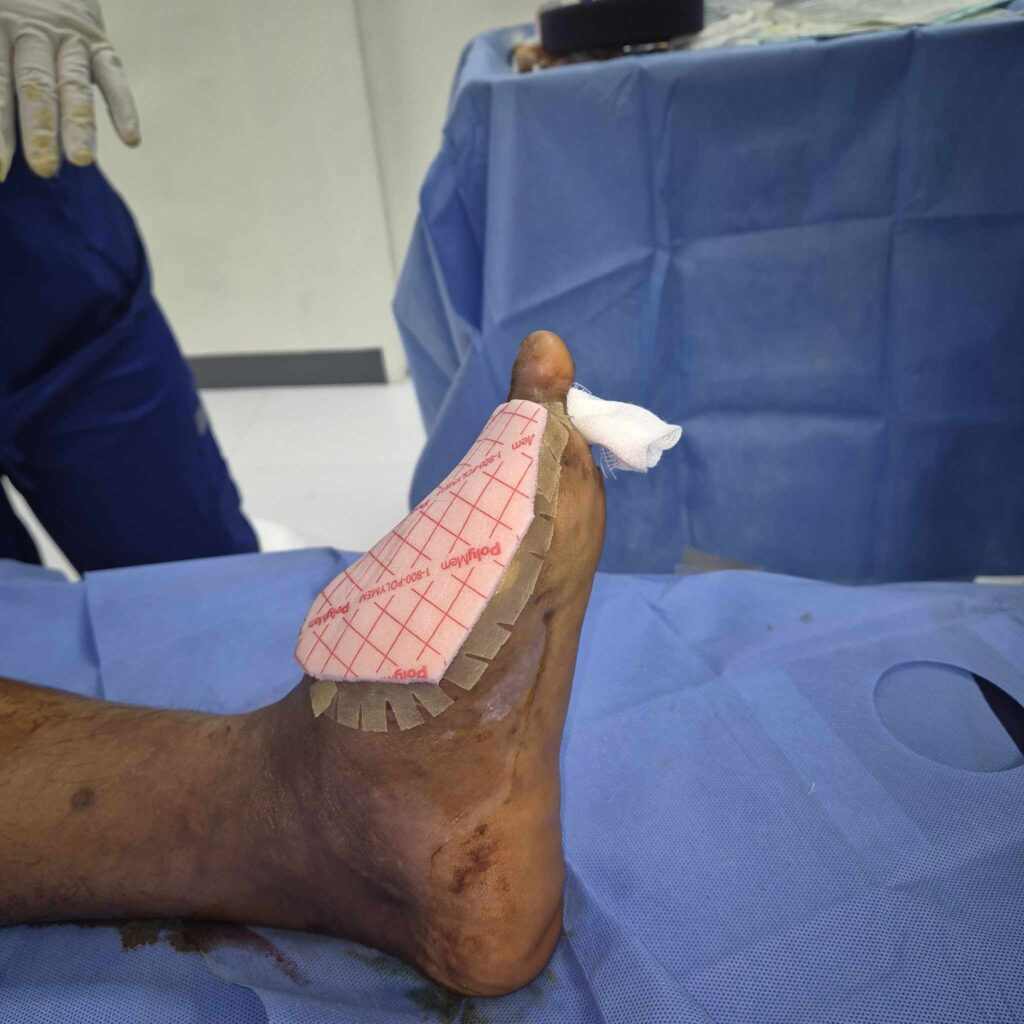
A Debridement procedure plays a critical role in wound care by removing dead, damaged, or infected tissue to promote faster healing. Understanding the safety and benefits of this procedure is essential for anyone dealing with chronic wounds, surgical wounds, or ulcers. Engaging professionals like Kalingap Wound Care Clinic ensures that the process is handled with expertise and precision, reducing risks and maximizing healing outcomes. Proper knowledge about the procedure can help patients feel confident and informed, making recovery smoother and safer.
What is a Debridement Procedure?
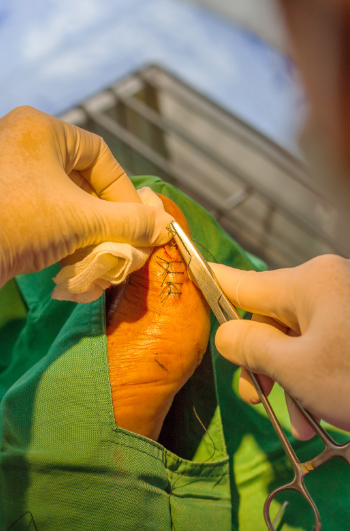
A Debridement procedure is a medical process focused on cleaning wounds by removing necrotic tissue or foreign material. This intervention encourages the body’s natural healing mechanisms and prevents infections from developing. Several types of debridement exist, including surgical, mechanical, enzymatic, autolytic, and biological methods. Each type has unique applications based on the wound’s condition, location, and severity. Professional guidance from Kalingap Wound Care Clinic helps determine the most effective type of debridement for individual patient needs, ensuring both safety and effectiveness.
Why Safety Matters in a Debridement Procedure
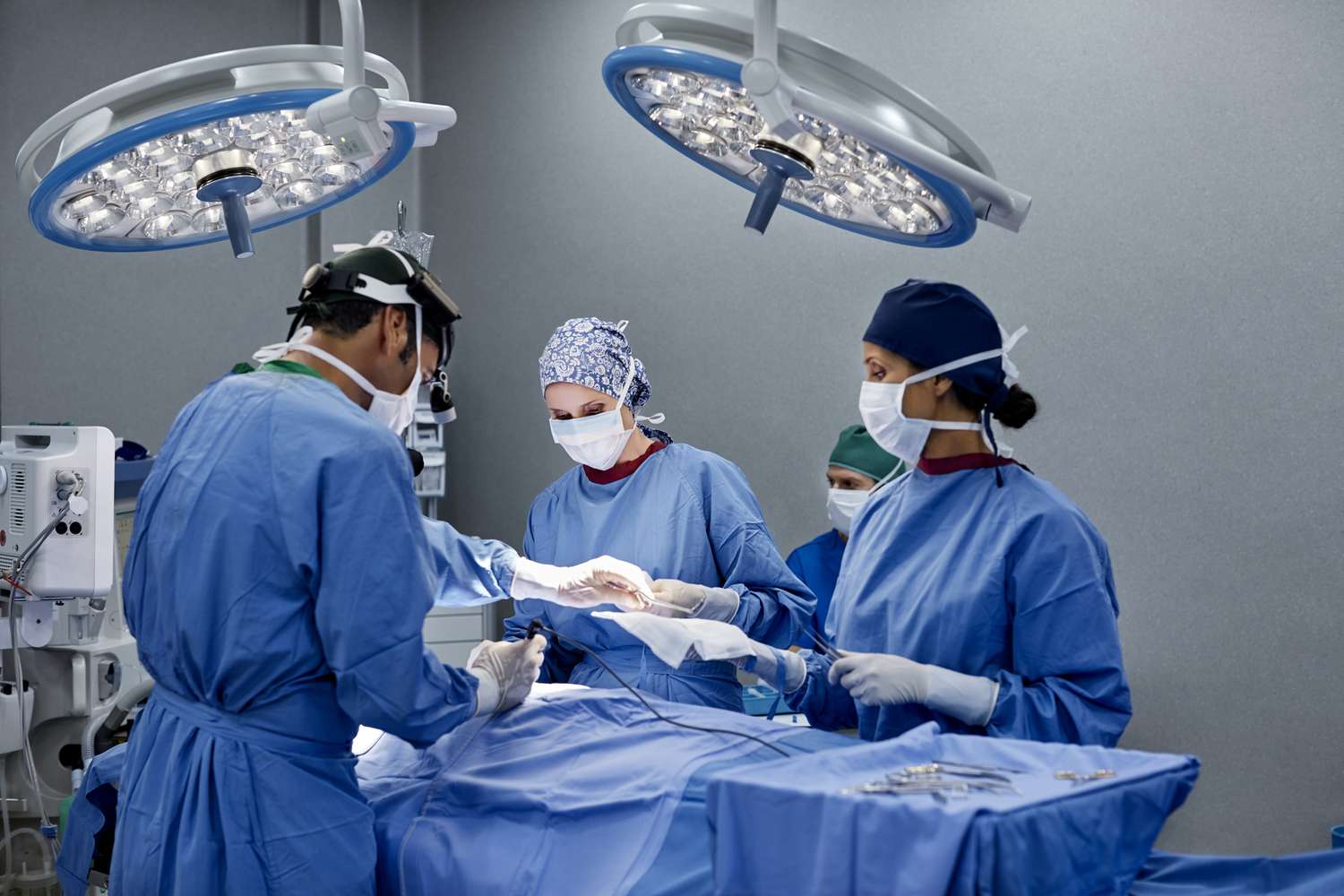
Safety is paramount during a Debridement procedure. Improper techniques can lead to infection, excessive bleeding, or delayed healing. Patients with diabetes, compromised immunity, or circulation issues require extra caution. By choosing experienced providers like Kalingap Wound Care Clinic, patients reduce these risks significantly. Safety measures include proper sterilization, careful assessment of the wound, and monitoring vital signs during and after the procedure. These practices protect patients from complications while promoting optimal healing.
Benefits of Debridement Procedures
The advantages of undergoing a Debridement procedure extend beyond just cleaning the wound. One of the primary benefits is accelerated wound healing. Removing dead tissue prevents infection and inflammation, allowing healthy tissue to grow more efficiently. Debridement also enhances the effectiveness of other treatments, such as topical dressings, antibiotics, and advanced wound therapies. Patients often experience reduced pain and discomfort as the wound environment becomes healthier and less prone to irritation. Additionally, timely debridement lowers the risk of severe complications like sepsis or chronic wound formation. By relying on Kalingap Wound Care Clinic, patients gain access to skilled professionals who maximize these benefits while ensuring safety.
Who Can Benefit from a Debridement Procedure?
A wide range of patients can benefit from a Debridement procedure. Those with chronic wounds, including diabetic foot ulcers or pressure sores, are primary candidates. Surgical wounds that are slow to heal may also require debridement to remove dead tissue and promote recovery. Elderly patients, whose wound healing may be compromised, find this procedure particularly helpful. Patients experiencing traumatic injuries or infections can achieve faster recovery with professional debridement. Consulting with experts like Kalingap Wound Care Clinic ensures that the procedure is personalized for each patient’s condition, improving outcomes and safety.
How to Ensure a Safe Debridement Procedure
Ensuring a safe Debridement procedure begins with selecting a qualified wound care clinic. A thorough pre-procedure assessment, including medical history and wound evaluation, identifies potential risks. During the procedure, maintaining sterile techniques and following clinical protocols minimizes the chance of infection or complications. Post-procedure instructions are equally important, including proper dressing changes, monitoring for signs of infection, and scheduling follow-up visits. Choosing professionals such as Kalingap Wound Care Clinic guarantees adherence to these safety standards, protecting patient health and optimizing recovery.
Post-Debridement Recovery and Care
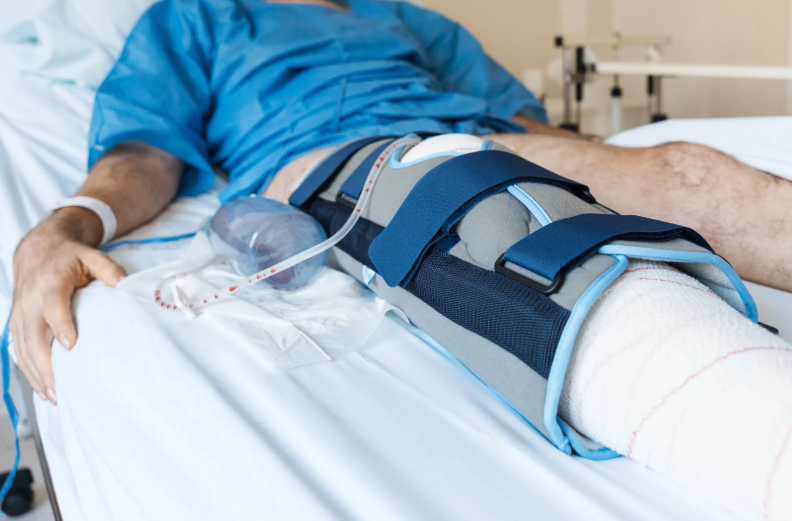
Recovery after a Debridement procedure varies based on the wound type and patient health. Generally, patients can expect gradual improvement in wound appearance and a reduction in discomfort. Signs of complications, such as increased redness, swelling, or discharge, should prompt immediate consultation with a professional. Maintaining proper wound hygiene and following prescribed care routines is essential for preventing infection and ensuring long-term healing. Regular follow-ups at a trusted facility like Kalingap Wound Care Clinic help monitor progress and make adjustments to treatment plans as needed.
Takeaway
A Debridement procedure is a vital intervention for effective wound care, offering numerous benefits such as faster healing, infection prevention, and improved overall treatment outcomes. Prioritizing safety by engaging expert providers like Kalingap Wound Care Clinic ensures the procedure is performed correctly, reducing risks and promoting optimal recovery. Patients dealing with chronic wounds, ulcers, or surgical injuries can significantly enhance their healing journey through professional debridement, making it an essential part of modern wound care practices.
Frequently Asked Questions (FAQ)
Is a Debridement procedure painful?
Pain is usually minimal due to local anesthesia or pain management techniques used during the procedure. Discomfort after the procedure is manageable with professional guidance.
How long does a Debridement procedure take?
The duration depends on wound size, type, and method of debridement. Most procedures can be completed within 30 to 90 minutes under professional care.
How often is debridement required?
Frequency varies based on wound severity and healing progress. Some chronic wounds may need repeated debridement sessions, while acute wounds may require only a single procedure.
Can a Debridement procedure be done at home?
Professional supervision is highly recommended. Performing debridement at home can lead to infection, complications, and delayed healing. Trusted clinics like Kalingap Wound Care Clinic provide safe, controlled environments for this procedure.