What Decubitus Ulcers Are and Why Treatment Should Never Be Delayed
Decubitus ulcer treatment starts with recognizing how these wounds form and why they demand immediate attention. These skin injuries develop when constant pressure limits blood flow, causing tissue damage over time. People who remain in one position for extended periods, such as those who are bedridden or use wheelchairs, are at the highest risk. The lack of circulation deprives the skin of oxygen and nutrients, leading to breakdown and open sores. Common areas affected include the lower back, hips, heels, and shoulders where bones press against surfaces. Without proper decubitus ulcer treatment, these wounds can deepen quickly and become life-threatening. Early care not only prevents worsening but also promotes faster healing and reduces discomfort. Understanding the seriousness of pressure ulcers encourages timely and consistent action.
Key Causes and Risk Factors Behind Pressure Ulcers
To apply effective decubitus ulcer treatment, it is important to understand the conditions that contribute to their development. Prolonged pressure remains the leading cause, especially in individuals who cannot reposition themselves. Friction from movement against bedding or chairs can weaken the skin and make it more prone to injury. Shear forces, which occur when the skin moves in one direction while underlying tissue moves in another, also contribute to tissue damage. Moisture from perspiration or incontinence softens the skin, making it more vulnerable to breakdown. Poor nutrition reduces the body’s ability to repair damaged tissue and maintain healthy skin. Chronic illnesses such as diabetes affect circulation and slow healing processes. Aging further increases susceptibility due to thinner and more fragile skin. Addressing these risk factors is a vital step in both prevention and recovery.
Recognizing the Stages of Pressure Ulcers for Proper Treatment
Decubitus ulcer treatment varies significantly depending on the stage of the wound, making early recognition essential. Stage 1 presents as persistent redness and tenderness, with the skin still intact but at risk of worsening. Stage 2 involves partial skin loss, often appearing as a blister or shallow open wound that requires protective care. In Stage 3, the damage extends deeper, exposing fat tissue and requiring more advanced wound management. Stage 4 is the most severe, with extensive tissue loss that may expose muscle or bone and often requires surgical intervention. Some wounds are classified as unstageable when covered by dead tissue, making assessment difficult. Deep tissue injuries may also occur beneath intact skin and require close monitoring. Matching treatment strategies to each stage ensures better healing outcomes and reduces complications.
Essential Principles That Guide Decubitus Ulcer Treatment
Effective decubitus ulcer treatment relies on several key principles that must be followed consistently. Relieving pressure is the most critical factor, achieved by frequently repositioning the patient. Supportive surfaces such as specialized mattresses help distribute weight evenly and reduce stress on vulnerable areas. Maintaining clean and dry skin prevents irritation and infection. Improving blood circulation through gentle movement enhances healing capacity. Managing underlying health conditions supports the body’s ability to recover. Consistency in applying these principles is necessary to see real progress. A structured care plan ensures that each aspect of treatment is addressed properly.
Wound Care Practices That Promote Faster Recovery
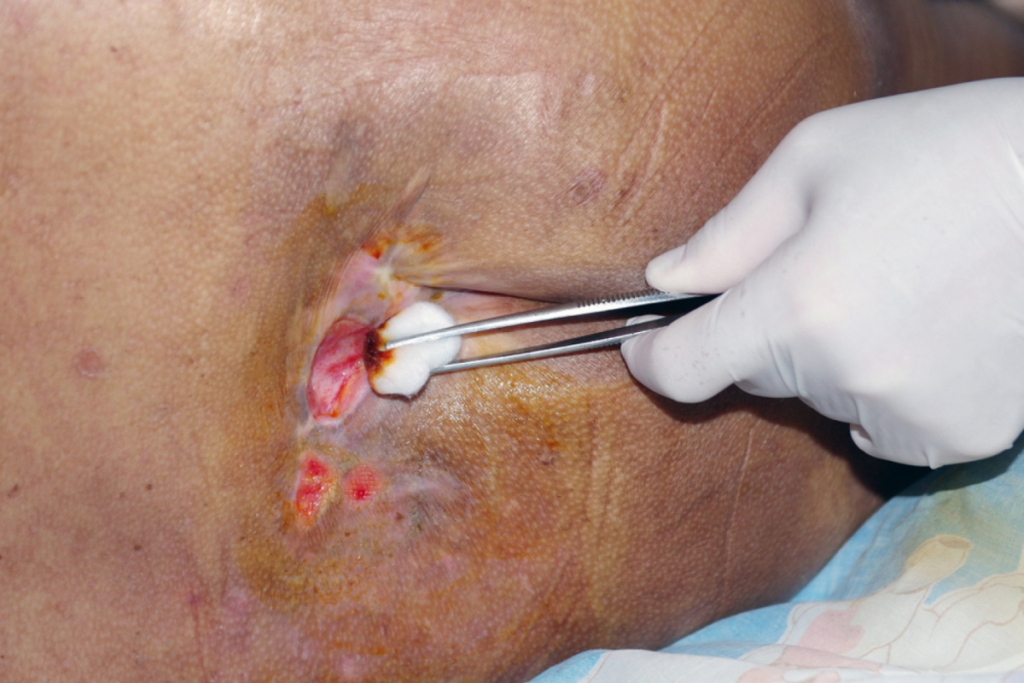
Proper wound care plays a central role in successful decubitus ulcer treatment and requires careful attention. Cleaning the wound removes debris and reduces the risk of infection while protecting healthy tissue. Debridement is often necessary to remove dead tissue and encourage new growth. Various methods are used depending on the wound, including enzymatic and surgical approaches. Selecting appropriate dressings helps maintain the right moisture balance for healing. Infection control is crucial, as bacteria can quickly worsen the condition. Regular monitoring allows caregivers to track healing progress and adjust care as needed. Consistent wound care significantly improves recovery outcomes.
Advanced Treatment Options for Severe Pressure Ulcers
In more serious cases, advanced methods may be required as part of decubitus ulcer treatment. Negative pressure wound therapy helps remove excess fluid and promotes tissue regeneration. Skin grafting may be recommended when the wound is too large to heal naturally. Biologic treatments support the growth of new, healthy tissue. Hyperbaric oxygen therapy improves oxygen delivery to damaged areas, aiding recovery. Electrical stimulation is another option that can encourage healing in certain cases. These treatments are typically administered under professional supervision. Access to advanced care can make a significant difference in severe or chronic wounds.
Nutrition and Its Impact on Healing Pressure Ulcers
Nutrition is a powerful factor in decubitus ulcer treatment and should never be overlooked. The body requires sufficient protein to repair damaged tissues and maintain skin integrity. Vitamins such as Vitamin C play a key role in collagen production and immune support. Minerals like zinc contribute to tissue regeneration and wound healing. Proper hydration keeps the skin healthy and resilient. Malnutrition can slow healing and increase the risk of complications. A well-balanced diet tailored to the patient’s needs enhances recovery. Nutritional support should always be part of the overall treatment plan.
Preventing Infection and Handling Complications Effectively
Preventing infection is essential in decubitus ulcer treatment, as open wounds are highly susceptible to bacteria. Early signs of infection include redness, swelling, unusual odor, and discharge. Maintaining hygiene and proper wound care routines reduces the risk of contamination. Pain management is also important, as discomfort can affect mobility and overall well-being. Severe complications such as sepsis can develop if infections are not addressed promptly. Regular monitoring helps detect issues early and allows for timely intervention. Medical attention should be sought whenever signs of infection appear. Vigilance ensures safer and more effective healing.
Practical Home Care Techniques for Daily Management
Managing pressure ulcers at home requires a disciplined approach to decubitus ulcer treatment. Daily inspection of the skin helps identify early signs of damage before they worsen. Repositioning the patient frequently reduces pressure on sensitive areas. Using supportive equipment such as cushions and mattresses enhances comfort and protection. Caregivers must follow proper hygiene and wound care practices consistently. Creating a clean and supportive environment promotes healing. Education empowers caregivers to provide effective and confident care. Home management can be highly successful when done with diligence and attention.
Daily Care Essentials for Pressure Ulcer Management
- Reposition the patient regularly to relieve pressure
- Keep skin clean and dry to prevent irritation
- Use pressure-relieving cushions and mattresses
- Monitor wounds for signs of infection or changes
- Maintain a nutrient-rich diet for faster healing
- Follow all prescribed wound care instructions
- Consult healthcare providers when necessary
When Professional Medical Care Becomes Necessary
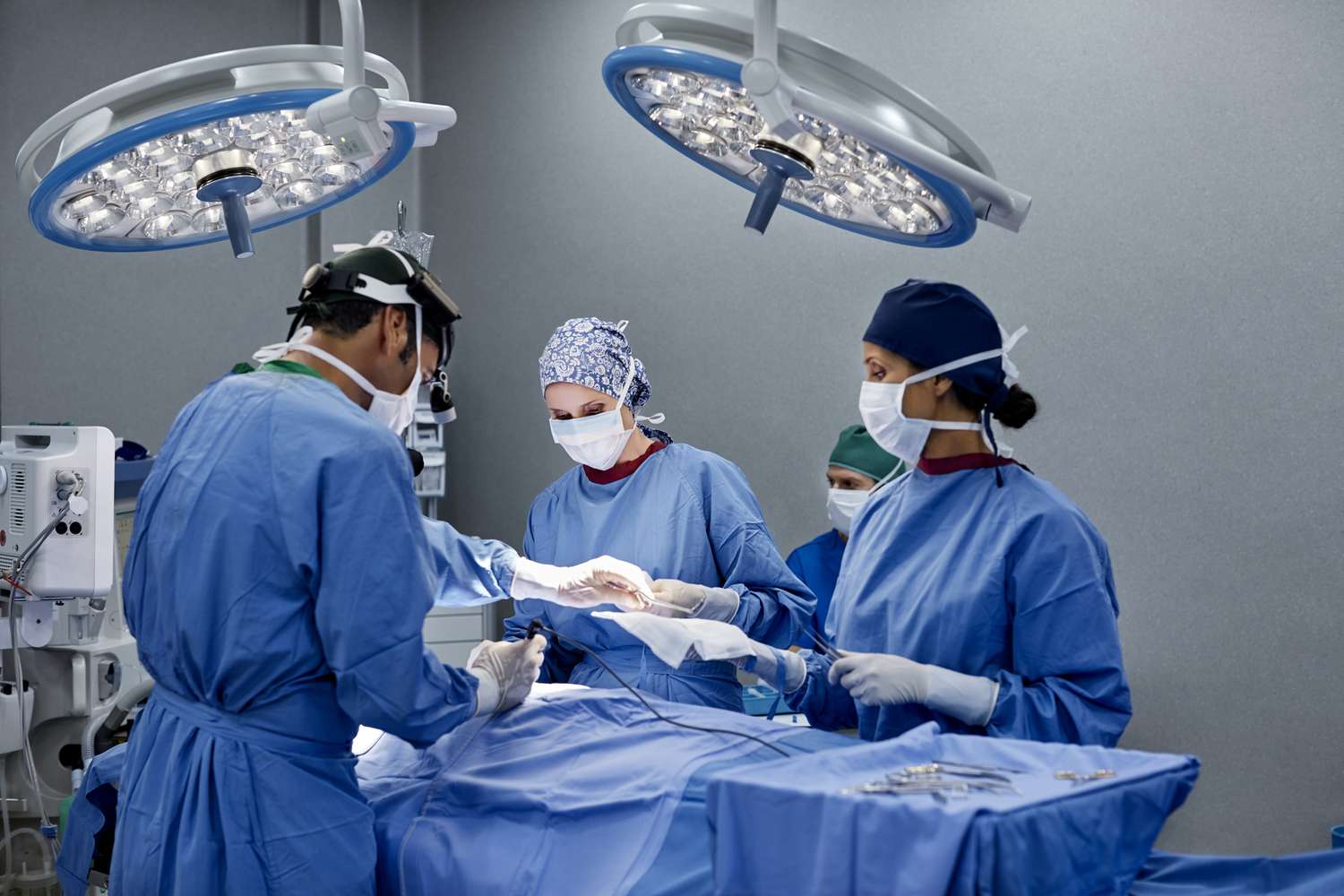
Certain situations require professional involvement in decubitus ulcer treatment to ensure proper healing. Healthcare providers can evaluate the severity of the wound and recommend appropriate interventions. Wound care specialists offer expertise in managing complex or non-healing ulcers. Hospital care may be necessary for severe infections or advanced stages. Long-term care planning supports patients with chronic conditions. Regular medical follow-ups ensure that treatment plans remain effective. Professional care enhances recovery and reduces the risk of complications. Seeking help at the right time is essential for better outcomes.
Lifestyle Changes That Support Healing and Prevention
Lifestyle adjustments play an important role in long-term success with decubitus ulcer treatment. Increasing mobility, even in small ways, helps improve circulation and reduce pressure. Establishing a consistent skin care routine protects against future ulcers. Managing chronic conditions such as diabetes supports overall health. Staying hydrated and maintaining proper nutrition aids recovery. Regular check-ups help monitor progress and prevent recurrence. These changes contribute to both healing and prevention. A proactive approach leads to better quality of life.
Takeaway
Decubitus ulcer treatment requires a well-rounded approach that combines proper wound care, pressure relief, nutrition, and medical support. Early action and consistent care are key factors in preventing complications and encouraging healing. Caregivers and patients benefit from understanding how pressure ulcers develop and how they can be managed effectively. With the right strategies and commitment, recovery becomes more achievable and sustainable.
Frequently Asked Questions (FAQ)
What is the first step in decubitus ulcer treatment
The first step is relieving pressure on the affected area while cleaning and protecting the wound properly.
Can pressure ulcers heal completely
Yes, with proper care and treatment, many pressure ulcers can heal completely, especially when detected early.
How often should a patient be repositioned
Patients should typically be repositioned every two hours to prevent prolonged pressure on vulnerable areas.
What foods help with wound healing
Protein-rich foods, fruits high in Vitamin C, and zinc-containing foods support faster healing.
Is it safe to treat pressure ulcers at home
Mild cases can be managed at home, but medical guidance is recommended for proper care.
What complications can arise from untreated ulcers
Untreated ulcers can lead to infection, tissue damage, and serious conditions such as sepsis.
When should I seek medical attention
Medical attention is necessary if the wound worsens, shows signs of infection, or does not improve with basic care.