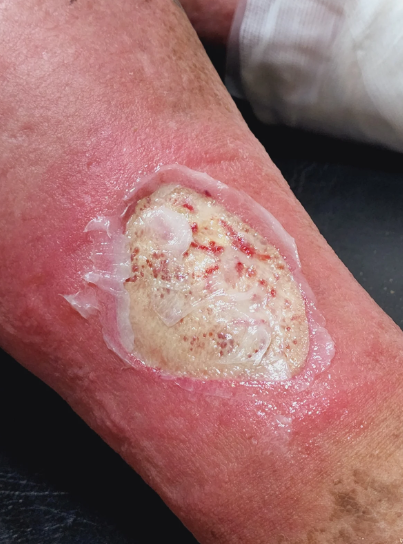
Chronic foot wounds are a serious concern for individuals living with diabetes. These wounds can persist for weeks or even months, making daily activities painful and increasing the risk of infections. Consulting a specialized diabetic wound doctor is essential to manage and heal these wounds effectively. Kalingap Wound Care Clinic offers expert solutions for chronic diabetic foot wounds, combining advanced medical care with personalized treatment plans to promote healing and prevent complications.
Understanding Chronic Foot Wounds in Diabetics
Chronic foot wounds, also known as diabetic foot ulcers, occur when minor cuts, blisters, or pressure points fail to heal due to diabetes-related complications. High blood sugar levels can damage nerves (neuropathy) and reduce blood flow to the extremities, impairing the body’s natural healing process. Common symptoms include persistent open sores, redness, swelling, and sometimes foul-smelling discharge. Early detection and treatment by a diabetic wound doctor are critical to avoid severe consequences such as infections or gangrene.
When to See a Diabetic Wound Specialist
Patients should consult a diabetic wound doctor as soon as they notice non-healing sores, increasing pain, or signs of infection such as pus or fever. Delaying treatment can escalate the wound’s severity and may lead to hospitalization or even amputation. A specialized doctor can evaluate the wound, assess circulation, and provide targeted care that standard treatment often cannot achieve. Kalingap Wound Care Clinic ensures patients receive immediate, comprehensive care tailored to their condition.
Diabetic Wound Doctor Solutions & Treatments
Advanced Wound Care Techniques
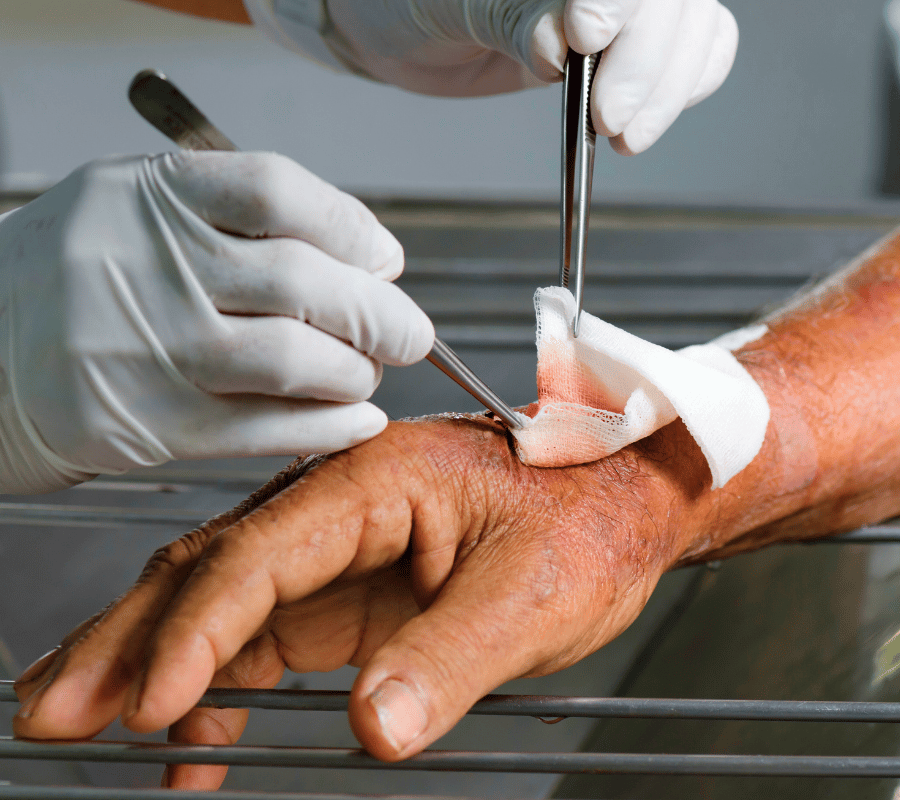
A diabetic wound doctor employs a variety of techniques to promote healing. Debridement removes dead tissue, helping fresh tissue to grow. Specialized dressings maintain moisture balance and protect the wound from infection. In some cases, negative pressure wound therapy is used to accelerate healing by improving blood flow and reducing swelling.
Infection Management
Infections are a common complication of chronic foot wounds. Your diabetic wound doctor may prescribe systemic antibiotics or topical antimicrobials to control bacterial growth. Regular monitoring ensures that infections are detected early and treated promptly, preventing further complications.
Blood Sugar and Health Optimization
Effective wound healing requires more than just local care. A diabetic wound doctor will often collaborate with your primary care physician to optimize blood sugar levels. Proper nutrition, exercise, and medication adherence are crucial for overall recovery. At Kalingap Wound Care Clinic, patients receive guidance on lifestyle adjustments that complement medical treatment for faster, safer healing.
Surgical Interventions
For wounds that do not respond to conservative treatments, a diabetic wound doctor may recommend surgical options. These can include skin grafts, reconstructive procedures, or minor amputations when necessary. Surgical interventions are carefully planned to maximize healing potential and preserve mobility.
Preventing Chronic Foot Wounds in Diabetics
Prevention is a key focus of any diabetic wound doctor. Daily foot inspections can help detect blisters, cuts, or infections early. Proper hygiene, moisturizing, and trimming toenails carefully reduce the risk of wounds. Wearing well-fitted shoes and avoiding barefoot walking protect sensitive feet from injuries. Maintaining healthy blood sugar levels and engaging in regular physical activity also lowers the risk of chronic foot wounds. Kalingap Wound Care Clinic provides education and resources to empower patients to take proactive steps toward foot health.
Choosing the Right Diabetic Wound Doctor
Selecting a qualified diabetic wound doctor ensures your wounds receive expert care. Look for professionals with specialized training in diabetic foot management and access to advanced wound care technologies. During consultations, ask about treatment plans, expected recovery times, and follow-up procedures. Clinics like Kalingap Wound Care Clinic offer a multidisciplinary approach, combining wound care expertise, patient education, and ongoing support to optimize healing outcomes.
Frequently Asked Questions (FAQ)
How long does it take for chronic diabetic foot wounds to heal?
Healing time varies depending on the wound’s severity, blood sugar control, and overall health. Some wounds may heal within a few weeks, while more complicated cases require several months.
Can chronic foot wounds be prevented entirely?
While not all wounds can be prevented, proper foot care, regular checkups with a diabetic wound doctor, and good blood sugar management significantly reduce the risk.
What are the signs of infection in a diabetic foot ulcer?
Common signs include redness, swelling, warmth, pus or discharge, and increased pain. Fever or chills may indicate a more serious infection.
How often should I see a diabetic wound doctor?
Patients with active foot wounds should have regular checkups as advised by their doctor, often weekly or biweekly, until the wound shows significant improvement. Preventive visits are recommended at least twice a year for individuals with diabetes.
Takeaway
Chronic foot wounds are a serious complication of diabetes that require prompt, professional care. Consulting a diabetic wound doctor ensures proper evaluation, treatment, and prevention strategies to support healing and protect mobility. Kalingap Wound Care Clinic stands out as the best option for patients seeking comprehensive, expert solutions for diabetic foot ulcers. Early intervention, combined with education and lifestyle support, empowers patients to manage their condition effectively and improve their quality of life.