
DNA can provide valuable scientific information about biological relationships, making genetic testing an important option for individuals seeking answers about family connections. People searching for DNA Testing Philippines may have different reasons for considering a test, from confirming biological paternity to investigating other family relationships. Modern DNA analysis allows laboratories to compare specific genetic markers between individuals and determine whether the results support a biological relationship. The process can be straightforward when participants follow the laboratory’s requirements for identification, sample collection, and documentation. However, choosing the right type of DNA test is important because private testing and legally documented testing can have different procedures. Understanding how DNA testing works can also help people evaluate providers, costs, turnaround times, privacy practices, and test results. Having accurate information before scheduling a test can make the entire experience more organized and easier to understand.
What Is DNA Testing?
DNA testing is a scientific process that examines genetic material obtained from biological samples. DNA contains inherited genetic information that can be used to compare individuals and investigate biological relationships. Every person receives genetic material from their biological parents, which makes DNA particularly useful for parentage and kinship testing. A laboratory analyzes selected genetic markers and compares the profiles produced from the participants’ samples. Depending on the type of test, the analysis may evaluate relationships between a child and alleged parent or between other family members. The laboratory then uses statistical calculations to determine how strongly the genetic evidence supports or excludes the proposed relationship. Because DNA testing involves sensitive genetic information, participants should choose a qualified provider and understand how their samples and information will be handled.
Why People Seek DNA Testing Philippines Services
There are many reasons why someone may consider DNA Testing Philippines services. Paternity testing is one of the most common applications because it can provide scientific evidence about whether an alleged father is biologically related to a child. Some families may need maternity testing or other forms of kinship analysis when biological relationships are uncertain. Sibling DNA testing can help evaluate whether two people may share one or both biological parents. Grandparent testing can also be considered when a parent is unavailable and family members need to investigate a possible biological connection. DNA testing can have applications beyond family relationships, including certain identity and forensic situations. Identifying the specific reason for testing before making an appointment helps ensure that the appropriate test is selected.
Paternity DNA Testing in the Philippines
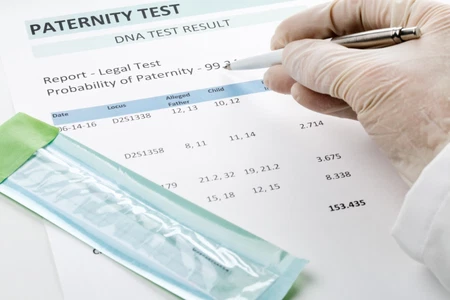
A paternity DNA test compares genetic information from a child and an alleged biological father. The test works because a child’s genetic material is inherited from biological parents, allowing laboratories to examine whether the child’s genetic markers are consistent with those of the alleged father. A mother may also participate in some paternity tests, depending on the circumstances and testing requirements. When genetic evidence is inconsistent with biological fatherhood, the alleged father may be excluded as the biological parent. When the genetic evidence supports paternity, the laboratory uses statistical analysis to calculate the probability of the relationship. Participants should understand that a paternity DNA test provides scientific findings, while any legal consequences may require separate legal or administrative procedures. Anyone seeking a paternity test should therefore explain the purpose of the test to the provider before sample collection.
Legal DNA Testing and Private DNA Testing
One of the most important distinctions in DNA testing is whether the test is intended for personal information or legal use. A private DNA test may be appropriate when individuals simply want to learn about a biological relationship for their own knowledge. A legal DNA test generally requires additional safeguards to establish the identity of the participants and maintain proper documentation throughout the process. These safeguards can include identity verification, supervised sample collection, labeling, documentation, and chain-of-custody procedures. Such procedures are important when the DNA report may later be submitted as evidence in a legal proceeding. A privately collected sample may not satisfy the documentation requirements associated with legally documented testing. People considering DNA Testing Philippines services for court-related purposes should tell the laboratory before testing so the appropriate collection and documentation process can be followed.
How DNA Testing Works
The DNA testing process begins with identifying the participants and determining which type of analysis is required. Biological samples are then collected using a method recommended by the testing provider. Cheek swabs are commonly used because they can collect cells containing DNA without requiring an invasive procedure. After the samples reach the laboratory, technicians extract DNA from the collected cells and analyze selected genetic markers. The resulting DNA profiles are compared according to the type of relationship being examined. Statistical analysis is then used to determine the strength of the evidence supporting or excluding the proposed biological relationship. The completed laboratory report presents the relevant findings and provides information that allows the results to be understood in the context of the test performed.
DNA Sample Collection and Cheek Swabs
Cheek-swab collection is a widely used method for obtaining DNA because it is simple, painless, and does not normally require blood collection. During the procedure, a swab is placed against the inside of the participant’s cheek to collect cells containing genetic material. The collected swab is then handled according to the laboratory’s instructions. For a private test, the collection process may be arranged according to the provider’s available options. For a legally documented test, additional procedures may be required to verify the participant’s identity and document the movement of the sample. Proper labeling and handling are important because the laboratory needs confidence that each sample belongs to the identified participant. Following the provider’s collection instructions carefully can help reduce the possibility of sample problems or delays.
How Accurate Is DNA Testing?
DNA testing is widely used for biological relationship analysis because genetic markers can provide substantial evidence when comparing individuals. A relationship test does not usually depend on one genetic characteristic but instead examines multiple markers to determine whether the profiles are compatible. When evaluating paternity, the laboratory considers the child’s genetic profile and compares it with the alleged father’s profile. If the genetic patterns do not match the expected inheritance pattern, biological paternity can be excluded. If the findings support paternity, statistical calculations can provide a very high probability of the proposed biological relationship. The reliability of a test also depends on proper sample collection, participant identification, laboratory procedures, and quality-control practices. Consumers should therefore consider the qualifications and testing procedures of the laboratory instead of evaluating a DNA service based solely on advertising claims.
Understanding DNA Test Results
Receiving a DNA report can be an important moment, particularly when the test involves a sensitive family question. A laboratory report generally provides information about the genetic profiles examined and the statistical interpretation of those profiles. In a paternity test, the report may indicate whether the tested individual is excluded as the biological father or whether the findings support biological paternity. The report may use probability figures or other scientific terminology that can be unfamiliar to people without a genetics background. Participants should ask the laboratory whether professional assistance is available for understanding the report if any portion is unclear. It is also important to distinguish the scientific findings from legal decisions that may depend on additional documentation or proceedings. Understanding what the report actually establishes can help participants avoid making assumptions about matters outside the scope of the laboratory analysis.
How Long Does DNA Testing Take?
DNA testing turnaround times vary according to the laboratory, test type, number of participants, and complexity of the analysis. A standard paternity test may have a different processing period from a more complicated kinship test involving several relatives. The testing provider should give participants an estimated timeframe before the service begins. Some laboratories may offer expedited processing for individuals who need results more quickly. Additional charges may apply when expedited services are available. Participants should also ask whether the estimated processing period begins when samples are collected or when the laboratory receives the specimens. Confirming these details in advance can make it easier to plan around the expected date of the DNA report.
DNA Testing Philippines Cost Considerations
The price of DNA Testing Philippines services can vary considerably depending on the type of test and the provider selected. A basic private paternity test may have a different fee structure from a legally documented test requiring additional identification and collection procedures. The number of participants can also influence the cost because additional samples may require additional laboratory analysis. Some providers may charge separate fees for home collection, expedited processing, specialized tests, or additional copies of reports. Consumers should ask for a complete price breakdown before agreeing to the service. It is useful to compare the total service package rather than focusing exclusively on the lowest advertised price. Laboratory procedures, documentation, privacy protections, customer support, and the suitability of the test for its intended purpose should all be considered when evaluating cost.
Choosing a DNA Testing Laboratory
Selecting the right laboratory is an important part of the DNA testing process. Consumers should look for providers that clearly explain their testing procedures, sample collection requirements, reporting process, and privacy policies. It can also be useful to ask about laboratory qualifications, quality-control procedures, and the experience of personnel involved in testing. People who need results for legal purposes should specifically ask whether the provider offers legally documented testing. Clear information about fees and turnaround times can also help consumers avoid unexpected issues. Participants should understand where their samples will be analyzed and whether specimens are retained after testing. A provider that communicates its procedures clearly can make the testing experience more transparent for individuals and families.
DNA Testing for Other Family Relationships
DNA testing is not limited to determining biological paternity. Maternity testing can be used to examine whether a particular woman is the biological mother of a child. Sibling testing can evaluate whether two individuals may share biological parents. Grandparent testing can be considered when the alleged biological parent is unavailable for testing. Other kinship tests may examine possible relationships involving aunts, uncles, or other relatives. The most suitable test depends on which family members are available and what biological relationship needs to be examined. A laboratory can explain the appropriate participant combination and testing method based on the specific circumstances.
DNA Testing and Legal Matters
DNA results can become relevant to legal matters involving biological relationships, but a laboratory report is only one component of a larger legal process. A DNA test can provide scientific evidence about a biological relationship, while courts and government agencies may have separate requirements for establishing legal status. Individuals dealing with family, inheritance, custody, support, or civil-record matters should understand this distinction. If DNA evidence may be presented in court, legally documented collection and chain-of-custody procedures can be particularly important. A person who completes a private test should not automatically assume that the resulting report will satisfy every legal requirement. People facing legal disputes may benefit from obtaining advice from a qualified attorney about the specific requirements applicable to their situation. The testing provider can explain its scientific procedures, while legal professionals can address questions concerning the use of DNA evidence in a particular matter.
Privacy and Confidentiality During DNA Testing
Genetic information is highly personal, so privacy should be considered when choosing a DNA testing provider. Before providing a sample, participants should understand how their personal information and biological specimens will be handled. They can ask who will have access to the DNA report and how the results will be delivered. It is also useful to ask whether the laboratory retains biological samples after testing and what its sample-retention policy involves. Participants should review available privacy policies and raise questions about anything they do not understand. Legally documented testing may require certain information to be recorded for identification and evidentiary purposes. Selecting a provider with transparent privacy and confidentiality practices can help participants make a more informed decision about where to undergo testing.
Common Misunderstandings About DNA Testing
Some people believe that every DNA test can automatically be presented in court, but the testing process and documentation requirements can differ substantially. Private testing and legal testing are designed for different purposes and may involve different collection procedures. Another misunderstanding is that DNA testing only answers questions about paternity, even though laboratories can perform several types of kinship analysis. Some people may also assume that a DNA result automatically changes government records, but scientific findings and civil-registration procedures are separate matters. Consumers should also avoid assuming that the cheapest testing option provides the same documentation and collection process as a legally documented service. Another important point is that DNA reports should be interpreted according to the specific relationship and test performed. Asking qualified professionals for clarification can help individuals understand exactly what their DNA results can and cannot establish.
Questions to Ask Before Booking a DNA Test
Before booking a DNA test, participants should identify the exact biological relationship they want to investigate. They should ask whether the provider recommends a private test or a legally documented test for their intended purpose. Consumers should also ask what identification is required and where sample collection will take place. Questions about laboratory processing, estimated turnaround time, report delivery, and total cost can help prevent unexpected issues. Participants should also ask about privacy policies, sample storage, and access to genetic information. If the test is connected to a legal matter, they should specifically ask about identity verification and chain-of-custody procedures. Having these questions answered before the appointment can make the testing process clearer and help participants select an appropriate service.
Frequently Asked Questions About DNA Testing Philippines
What is DNA Testing Philippines?
DNA Testing Philippines refers to DNA testing services available to individuals and organizations within the Philippines. These services can examine biological relationships through the analysis of genetic markers. Testing may be used for paternity, maternity, sibling, grandparent, and other kinship questions. The exact procedure depends on the relationship being investigated. Some tests are designed for private knowledge, while others include procedures intended for legal use. Participants should explain their purpose before testing so the provider can recommend the appropriate service. Understanding the purpose of testing is one of the first steps toward obtaining a useful DNA report.
How is a paternity DNA test performed?
A paternity DNA test commonly involves collecting cheek-swab samples from a child and an alleged father. The mother may also participate when appropriate. The laboratory extracts DNA from the collected cells and analyzes selected genetic markers. The child’s profile is compared with the alleged father’s profile to determine whether the genetic findings support biological paternity. Statistical calculations are used to express the strength of the relationship indicated by the test. Legal testing can involve additional identification and documentation procedures. The laboratory then prepares a report explaining the findings and relevant statistical information.
Is DNA testing painful?
Most standard cheek-swab DNA tests are simple and non-invasive. A collection swab is gently rubbed against the inside of the cheek to obtain cells containing DNA. The procedure normally does not require needles, surgery, or blood collection. Participants may experience minor discomfort from the swab, but the collection process is generally quick. The laboratory will provide instructions for preparing for and completing the collection. Legal testing may involve additional identification and documentation steps but does not necessarily make the biological collection itself more invasive. Anyone with concerns about the collection procedure can ask the provider to explain what will happen before the appointment.
How much does DNA testing cost in the Philippines?
DNA testing costs vary depending on the type of test, laboratory, number of participants, and intended use. Private paternity testing can have a different price from legally documented testing. Additional services such as home collection or expedited processing may also affect the total fee. Consumers should request a complete quotation before proceeding. They should ask whether sample collection, laboratory analysis, reports, and other services are included in the stated price. Comparing providers based on procedures and service quality can be more useful than choosing solely according to price. Current pricing should always be confirmed directly with the selected testing provider.
How long does DNA testing take?
Turnaround time depends on the laboratory and the type of DNA test being performed. Straightforward relationship testing may have a shorter processing period than complex kinship analysis. The number of participants and quality of the submitted samples can also affect processing. Some providers may offer expedited services for an additional fee. Participants should ask when the processing period officially begins. They should also confirm how and when the final report will be delivered. Obtaining this information before testing can help individuals plan appropriately while waiting for their results.
Can DNA test results be used for legal purposes?
Some DNA tests are specifically designed with legal documentation requirements in mind. These tests may involve identity verification, supervised sample collection, documentation, and chain-of-custody procedures. A private DNA test may not include all of these safeguards. Anyone who expects to use DNA results in court should communicate this requirement to the provider before samples are collected. Legal requirements can vary depending on the specific matter and jurisdiction involved. A laboratory can explain the documentation associated with its legal testing service. Individuals involved in a court dispute should also seek appropriate legal advice regarding the use of DNA evidence.
What samples are commonly used for DNA testing?
Cheek swabs are among the most commonly used samples for relationship DNA testing. These swabs collect cells from the inside of the mouth that contain genetic material. Other biological samples may contain DNA, but laboratories can have specific requirements concerning which specimens they accept. Participants should contact the testing provider before submitting an alternative sample. Legal testing generally requires controlled collection and documentation procedures. Improperly collected or unidentified samples can create complications for the testing process. Following the laboratory’s sample-collection instructions is therefore important.
Can DNA testing be performed without the mother?
In some paternity tests, the child and alleged father can provide the samples required for analysis. Including the mother may provide additional genetic information, depending on the specific testing circumstances. The best participant combination depends on the relationship being examined and the type of test requested. A testing provider can explain which individuals should participate based on the purpose of the analysis. Legal testing may have additional requirements concerning participant identification and collection. People should explain their circumstances to the provider before the appointment. This allows the laboratory to recommend an appropriate testing arrangement.
Does a DNA test automatically change a birth certificate?
A DNA test result does not automatically change information recorded on a birth certificate. DNA testing provides scientific evidence concerning a biological relationship, while civil-registration changes may require separate procedures. The applicable requirements depend on the circumstances and the type of record involved. Individuals should not assume that receiving a DNA report automatically establishes every legal right or changes government records. People who need changes to official documents should seek information about the appropriate administrative or legal process. A DNA laboratory can provide the scientific report but does not necessarily control civil-registration decisions. Understanding this distinction can prevent confusion after receiving DNA test results.
Takeaway: Making an Informed DNA Testing Decision
Choosing a DNA Testing Philippines service should begin with a clear understanding of why the test is needed. Individuals should determine whether they need private information or a legally documented test before samples are collected. They should also evaluate laboratory procedures, sample collection methods, pricing, turnaround times, privacy policies, and result reporting. For sensitive family questions, a reliable testing process can provide valuable scientific information that may help individuals better understand biological relationships. When DNA testing is connected to a court or official matter, participants should pay particular attention to identification and chain-of-custody requirements. It is equally important to remember that scientific DNA findings and legal decisions can involve separate processes. By asking the right questions and selecting an appropriate testing provider, individuals can approach DNA testing with greater clarity and confidence.