
Ganglion cysts are soft, fluid-filled lumps that usually form near joints or tendons, most commonly on the wrist, hand, ankle, or foot. While often harmless, they can cause discomfort, restrict movement, or create cosmetic concerns for many patients. People in Manila seeking relief often consult specialists when cysts grow, change shape, or produce pain during daily activities. Understanding the causes, treatment options, and recovery process is essential for anyone considering medical intervention. Not all ganglion cysts require surgery, but persistent or painful cysts may necessitate professional evaluation. Recognizing the warning signs and knowing what to expect can help patients make informed decisions about their health. Early attention can also reduce the likelihood of complications and improve surgical outcomes.
What Are Ganglion Cysts?
Ganglion cysts are sacs filled with clear, jelly-like fluid that leaks from a joint or tendon sheath. They vary in size, ranging from a few millimeters to several centimeters, and may feel firm, spongy, or rubbery to the touch. The exact cause of ganglion cysts is unclear, but repetitive joint motion, trauma, or irritation of the tendon sheath often contribute to their formation. While many cysts are painless, some may cause tingling, numbness, or soreness if they press on surrounding nerves. Ganglion cysts can fluctuate in size, often enlarging with activity and shrinking at rest. Although anyone can develop these cysts, they are most common among women aged 20 to 40. Consulting a qualified surgeon in Manila is recommended if the cyst interferes with function or becomes painful.
Non-Surgical Approaches to Managing Ganglion Cysts
Many patients explore non-invasive methods before opting for surgery. Observation is suitable for small, painless cysts, as some disappear on their own. Aspiration, a procedure where a doctor drains the fluid using a needle, can temporarily relieve symptoms but may not prevent recurrence. Immobilization with splints or braces reduces joint movement, which can help control swelling and discomfort. Physical therapy may strengthen surrounding muscles and improve joint function, supporting recovery. Non-surgical options carry minimal risks compared to surgery, making them ideal for patients seeking conservative care. However, persistent, growing, or painful cysts may ultimately require surgical intervention. Monitoring the cyst and maintaining regular follow-ups ensures timely medical action if symptoms worsen.
Ganglion Cyst Surgery Procedures
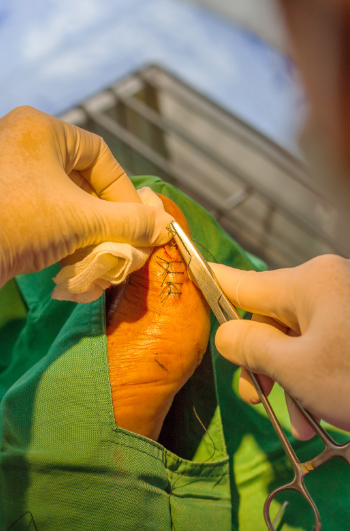
Surgery is recommended for cysts that cause persistent pain, functional limitations, or do not respond to conservative treatments. There are two main types of procedures: open surgery and arthroscopic surgery. Open surgery involves making an incision over the cyst to remove it along with the stalk, reducing the chance of recurrence. Arthroscopic surgery is minimally invasive, using small instruments and a camera to excise the cyst through tiny incisions. Pre-operative assessment is crucial to evaluate the cyst’s size, location, and proximity to nerves or tendons. Most procedures take between 30 minutes to an hour, with patients typically going home the same day. Consulting an experienced hand or orthopedic surgeon in Manila ensures safe removal and minimizes post-operative complications.
Preparing for Ganglion Cyst Surgery
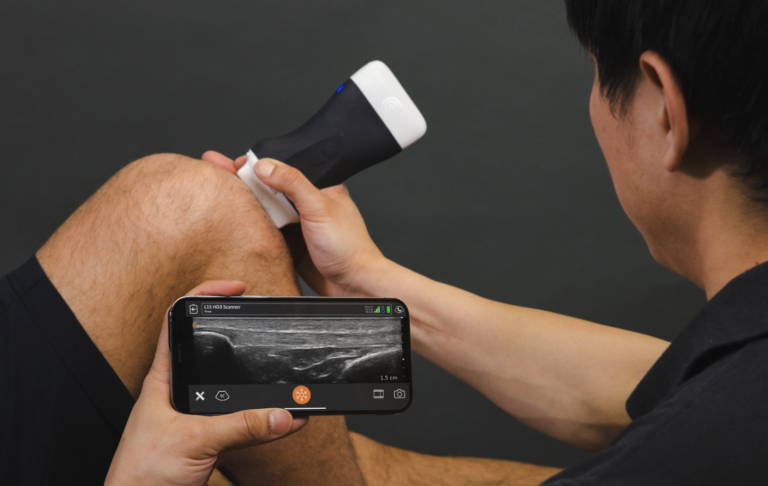
Proper preparation helps patients achieve the best surgical outcomes and a smoother recovery. Pre-surgery evaluation often includes blood tests, imaging scans, and general health assessments. Patients may need to pause certain medications, such as blood thinners, to reduce bleeding risks. Lifestyle adjustments, including avoiding smoking or alcohol, can enhance healing. On the day of surgery, patients should follow instructions regarding fasting, arrival time, and transportation, as driving afterward is not recommended. Understanding the procedure, recovery timeline, and post-operative care steps reduces anxiety and improves compliance. Clear communication with the surgeon also ensures all questions are addressed. Being well-prepared supports faster recovery and reduces the risk of complications.
Recovery After Surgery
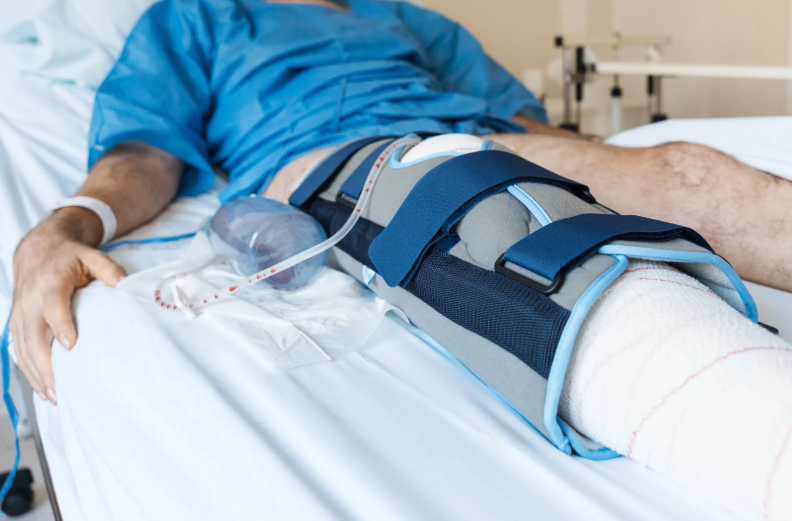
Post-surgical care is vital for proper healing and functional restoration. Patients may experience mild to moderate pain, swelling, and bruising around the surgical site, which can be managed with prescribed medications. Wound care, including keeping the area clean and dry, is essential to prevent infection. Follow-up visits allow the surgeon to monitor healing and remove stitches if necessary. Physical therapy or gentle exercises may be recommended to restore joint flexibility, strength, and mobility. Recovery time depends on the cyst’s size and location, with most patients resuming daily activities within a few weeks. Close adherence to post-operative instructions reduces the risk of recurrence and accelerates healing.
Post-Surgery Care Guidelines:
- Keep the incision clean and dry to avoid infection
- Follow prescribed pain management protocols
- Avoid heavy lifting and strenuous activities until cleared
- Attend all follow-up appointments for monitoring
- Perform recommended rehabilitation exercises
- Observe for unusual redness, swelling, or prolonged pain
- Maintain proper nutrition and hydration to support recovery
Benefits and Risks of Surgery
Surgical removal of ganglion cysts provides effective relief from pain, restores mobility, and improves the appearance of affected joints. Success rates are generally high, especially when the cyst and its stalk are fully removed. Risks include infection, nerve injury, scarring, stiffness, or cyst recurrence. Recurrence is uncommon when surgery is performed correctly, and rehabilitation is followed diligently. Understanding these benefits and risks helps patients make informed decisions and sets realistic expectations. Many patients experience significant improvement in quality of life after surgery, regaining freedom in daily activities. Being informed allows patients to take an active role in their care and recovery.
Choosing the Right Surgeon in Manila
Selecting a skilled surgeon is key to successful ganglion cyst treatment. Patients should look for specialists in hand, wrist, or orthopedic surgery with proven experience in cyst removal. Advanced hospital facilities and proper post-operative care are equally important. Consulting multiple surgeons allows patients to compare techniques, success rates, and recovery protocols. Recommendations from trusted healthcare providers and patient reviews can guide the decision-making process. Open communication with the surgeon ensures questions are answered and concerns addressed. Manila offers numerous qualified surgeons who can provide high-quality, reliable treatment.
Cost and Insurance Considerations
The cost of ganglion cyst surgery in Manila varies depending on the procedure, hospital fees, and surgeon experience. Open surgery is usually less expensive than arthroscopic procedures, but additional costs may arise from tests or post-operative care. Many health insurance plans cover at least part of the procedure, including pre-surgery evaluations and follow-ups. Patients should confirm coverage details and clarify any out-of-pocket expenses. Some clinics also offer financing options to make surgery more accessible. Requesting a detailed cost estimate in advance allows patients to plan financially and focus on recovery. Clear understanding of costs ensures stress-free treatment.
Frequently Asked Questions (FAQ)
Is ganglion cyst surgery painful?
Anesthesia prevents pain during surgery, and post-operative discomfort is usually manageable with medication.
How long is full recovery?
Most patients regain normal function within 3 to 6 weeks, although some may need a few months depending on cyst size and location.
Can ganglion cysts return after surgery?
Recurrence is possible but less likely when the cyst and stalk are completely removed. Following post-operative care reduces this risk.
Are there non-surgical alternatives that work?
Aspiration, splinting, and physical therapy can manage symptoms, but surgery is the most effective solution for persistent or painful cysts.
How to find a reliable surgeon in Manila?
Look for hand or orthopedic specialists with experience in ganglion cyst removal, check hospital facilities, and read patient reviews. Consult multiple surgeons to evaluate approaches.
Ganglion cyst surgery in Manila offers a safe and effective way to relieve discomfort and restore mobility. With careful preparation, proper surgical technique, and diligent post-operative care, patients can achieve long-term relief and return to their daily activities confidently.
Takeaway: Choosing an experienced surgeon and following recovery guidelines ensures the most effective outcome, helping patients in Manila overcome the challenges posed by ganglion cysts and regain comfort and function.