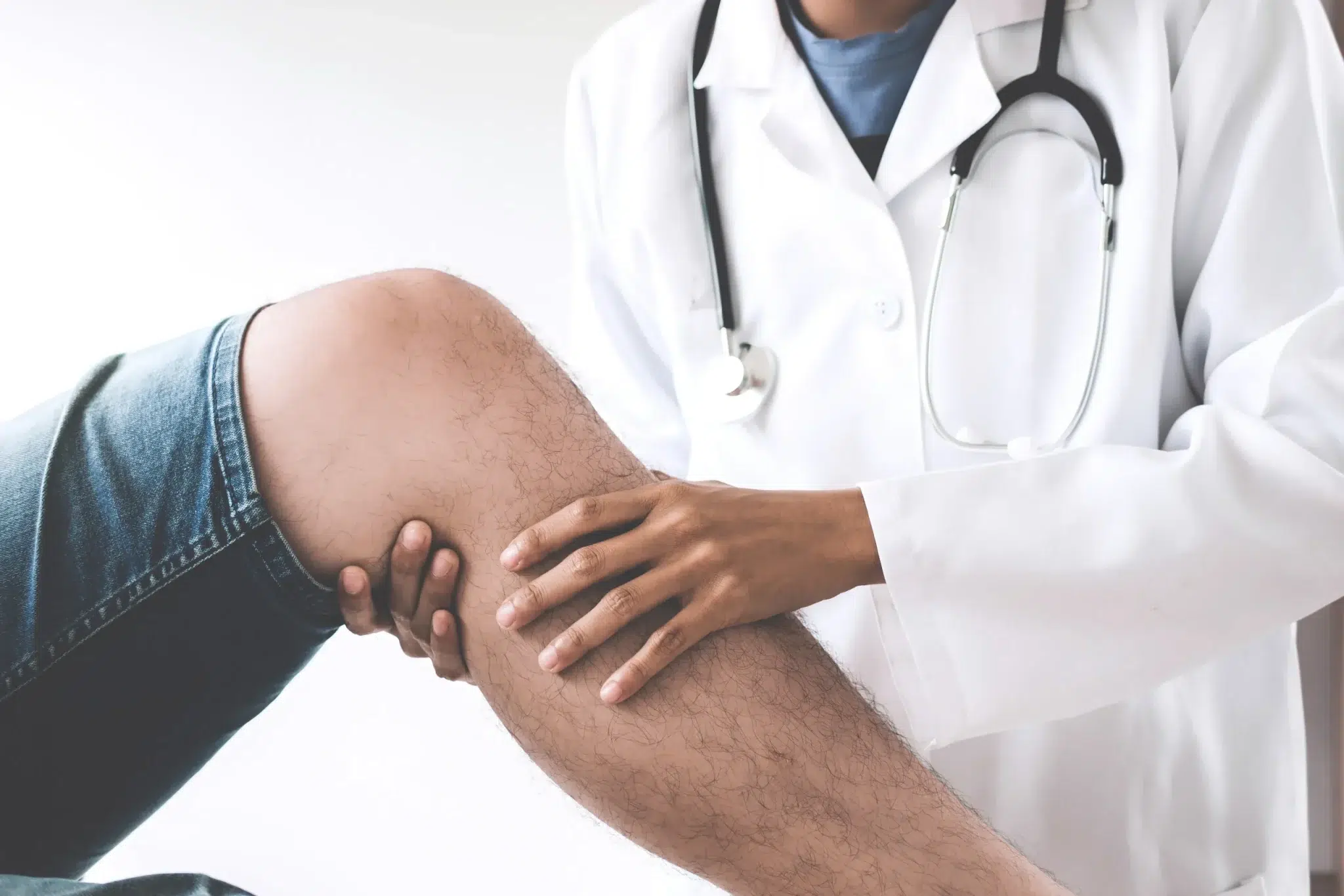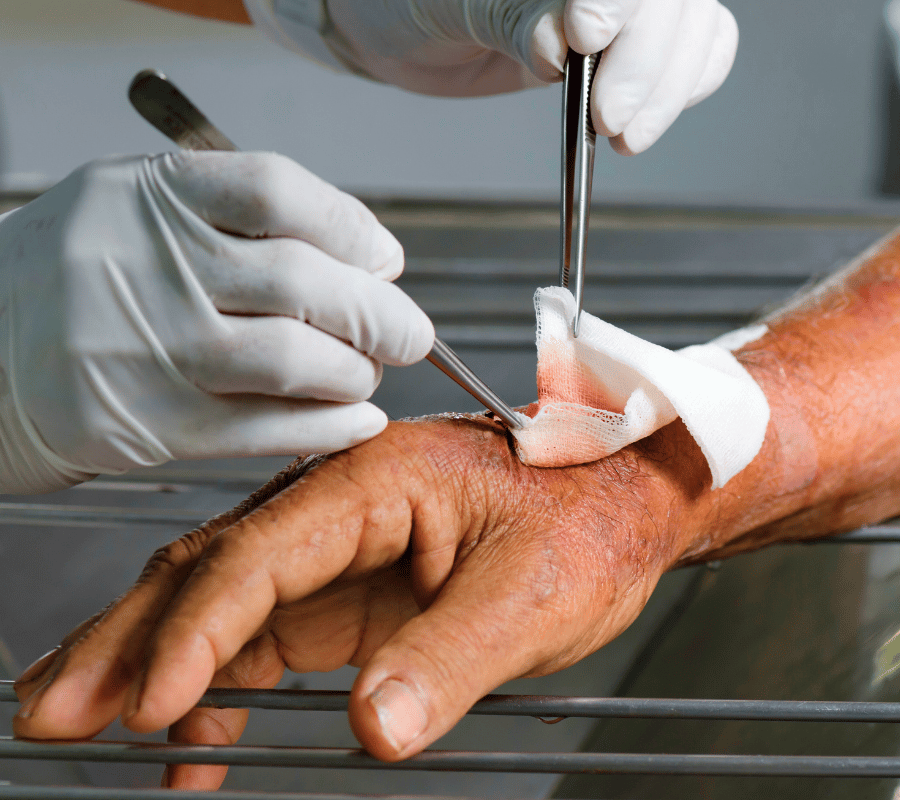
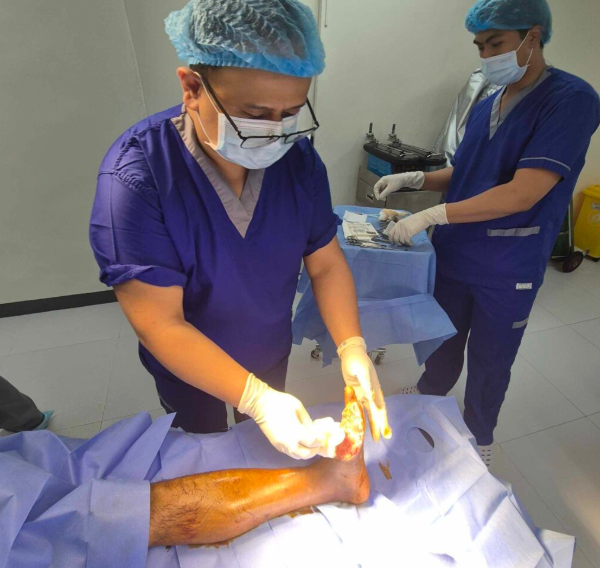
Wound debridement is a critical component of effective wound management, especially for chronic wounds that do not heal on their own. Patients with diabetes, venous insufficiency, or compromised immunity often face challenges that make wound care more complex. Access to professional wound care services is essential, and patients across the Philippines are discovering the benefits of specialized clinics offering advanced treatments. Wound Debridement Philippines focuses on providing safe, efficient, and holistic care, helping patients heal faster, prevent complications, and regain their quality of life.
Chronic wounds require more than basic treatment. Proper assessment and removal of dead tissue are essential to stimulate healing and reduce the risk of infection. Clinics offering Wound Debridement Philippines employ trained healthcare professionals who use advanced techniques alongside compassionate care, ensuring patients receive both medical and emotional support throughout the healing process.
Why Wound Debridement Matters
Wound debridement is essential because untreated or poorly managed wounds can lead to serious complications. Dead tissue can harbor bacteria, increasing the risk of infection and slowing the healing process. Chronic wounds, especially those associated with diabetes or vascular conditions, are particularly vulnerable. Timely and effective debridement reduces these risks, allowing the body to heal more efficiently.
Patients often underestimate the importance of wound care due to financial concerns or limited awareness. Wound Debridement Philippines addresses these challenges by making advanced treatments accessible and affordable. Clinics offering these services focus on holistic care, meaning they do not just treat the wound but also identify and manage underlying health issues. This approach ensures better long-term outcomes and reduces the likelihood of wound recurrence.
Types of Wound Debridement
Patients seeking Wound Debridement Philippines can access various treatment methods tailored to their needs. Understanding the available options helps individuals make informed decisions about their care.
Surgical Debridement
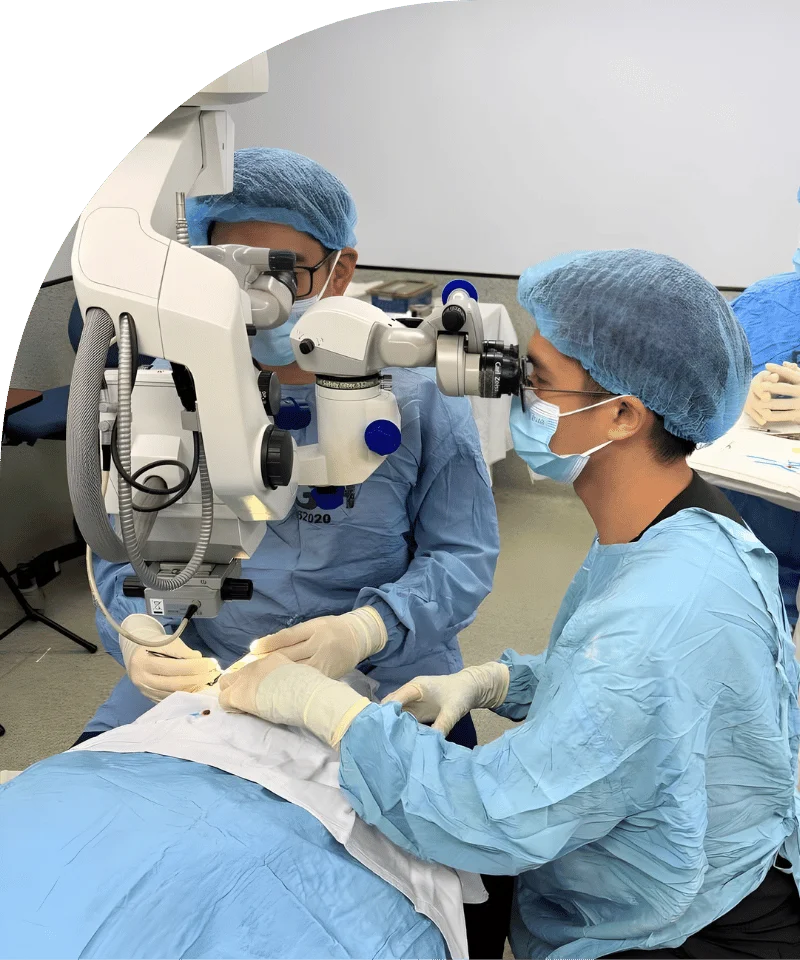
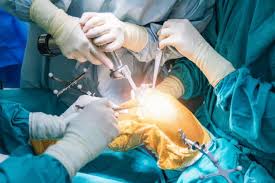
Surgical debridement involves the precise removal of dead or infected tissue using specialized instruments. This method is particularly effective for severe or deep wounds where rapid cleaning is necessary. Surgical debridement promotes faster healing and minimizes the risk of infection. Healthcare professionals assess each patient carefully to determine whether surgical intervention is appropriate.
Ultrasonic Debridement
Ultrasonic debridement uses low-frequency sound waves to gently remove non-viable tissue. This method is less painful than traditional surgical approaches and allows for precise tissue removal, minimizing damage to healthy tissue. Ultrasonic debridement is especially beneficial for patients with sensitive skin or wounds located in delicate areas. Clinics offering Wound Debridement Philippines often highlight ultrasonic techniques as part of their advanced care services due to their effectiveness and patient comfort.
Enzymatic and Autolytic Debridement
Enzymatic debridement relies on chemical agents to break down dead tissue, while autolytic debridement uses the body’s natural healing processes to remove non-viable tissue gradually. These methods are suitable for patients with less severe wounds or those who cannot undergo surgical procedures. Both approaches require careful monitoring to ensure effective healing, and clinics providing Wound Debridement Philippines integrate these techniques with other wound care practices for optimal results.
The Wound Debridement Process at Kalingap Wound Care Clinic
Patients receiving Wound Debridement Philippines benefit from a structured and patient-focused approach. The process begins with a comprehensive consultation, where healthcare providers assess the wound, review the patient’s medical history, and develop a customized treatment plan. Each step prioritizes both physical and emotional well-being, ensuring patients feel supported throughout their recovery.
Assessment includes evaluating wound size, depth, and tissue condition, as well as identifying underlying conditions that may affect healing. Once the assessment is complete, the appropriate debridement method is selected. Patients may undergo surgical, ultrasonic, or enzymatic/autolytic debridement depending on their specific needs.
After debridement, follow-up care is essential. Healthcare professionals monitor healing progress, manage any complications, and educate patients on preventive measures to reduce recurrence. This holistic approach defines Wound Debridement Philippines, combining technical expertise with compassionate patient care.
Benefits of Advanced Wound Care in the Philippines
Access to advanced wound care services in the Philippines provides numerous advantages for patients dealing with chronic or complex wounds. Clinics offering Wound Debridement Philippines deliver faster healing and reduced infection risks through evidence-based techniques. Personalized treatment plans address both wounds and underlying health conditions, ensuring comprehensive care for each patient.
Patients benefit from accessibility and affordability, especially in urban areas like Quezon City and Metro Manila. Clinics committed to Wound Debridement Philippines often engage in community programs and partnerships, helping underserved populations access quality wound care services. Emotional support and education form integral parts of treatment, ensuring patients understand their condition, adopt preventive measures, and maintain a healthy lifestyle to promote long-term healing.
Choosing the Right Wound Care Clinic
Selecting a reliable clinic for Wound Debridement Philippines is crucial for safe and effective treatment. Patients should consider the clinic’s expertise, the availability of advanced technology, and the overall approach to care. Clinics like Kalingap Wound Care Clinic provide professional services while emphasizing compassion, personalized attention, and holistic healing.
Filipino values such as kalinga (care) and lingap (nurture) are central to Kalingap’s approach, ensuring patients feel genuinely supported during every step of treatment. The clinic’s commitment to patient-centered care, combined with modern technology and evidence-based practices, makes it a trusted option for individuals seeking advanced wound management.
Patient Education and Preventive Care
Wound debridement is only part of the healing process. Educating patients about preventive care and lifestyle adjustments is essential to reduce the risk of recurrence. Clinics offering Wound Debridement Philippines provide guidance on maintaining proper hygiene, managing chronic conditions like diabetes, and monitoring skin health regularly.
Preventive strategies may include nutrition advice, safe wound dressing techniques, and recognizing early signs of infection. Patients are empowered to take an active role in their recovery, resulting in faster healing, fewer complications, and improved overall health.
Takeaway
Wound Debridement Philippines is essential for patients dealing with chronic, diabetic, or complicated wounds. Advanced techniques, including ultrasonic, surgical, and enzymatic methods, help accelerate healing, reduce infection risk, and improve overall quality of life. Holistic care that addresses both the wound and the patient’s health ensures lasting results. Clinics like Kalingap Wound Care Clinic exemplify professional, compassionate, and Filipino-centered wound care, making expert treatment accessible to patients across Metro Manila. Early intervention, proper assessment, and ongoing patient education are key to successful wound healing and long-term wellness.
FAQ – Wound Debridement Philippines
What is wound debridement?
Wound debridement is the medical process of removing dead, damaged, or infected tissue from a wound to promote faster healing and reduce infection risk.
Who needs wound debridement?
Patients with chronic wounds, diabetic ulcers, venous insufficiency, or compromised immunity often require debridement to ensure proper healing.
What types of debridement are available in the Philippines?
Common types include surgical, ultrasonic, enzymatic, and autolytic debridement. The choice depends on wound severity, patient condition, and clinical assessment.
Is wound debridement painful?
Discomfort varies depending on the method used. Ultrasonic and enzymatic debridement are generally less painful than surgical methods, and clinics provide appropriate pain management.
How long does it take to heal after debridement?
Healing time depends on wound size, severity, underlying health conditions, and adherence to follow-up care. Chronic wounds may take weeks to months to fully heal.
Can wounds recur after debridement?
Yes, wounds can recur, especially if underlying health conditions are not managed. Preventive care, lifestyle adjustments, and regular monitoring help reduce recurrence risk.
Where can I access professional wound debridement services in the Philippines?
Specialized clinics, such as Kalingap Wound Care Clinic in Quezon City, provide advanced Wound Debridement Philippines services using modern technology and holistic patient care.