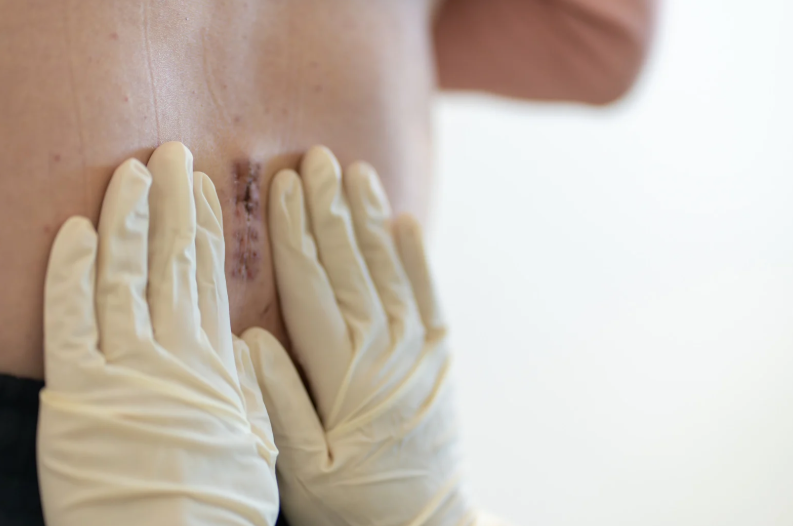
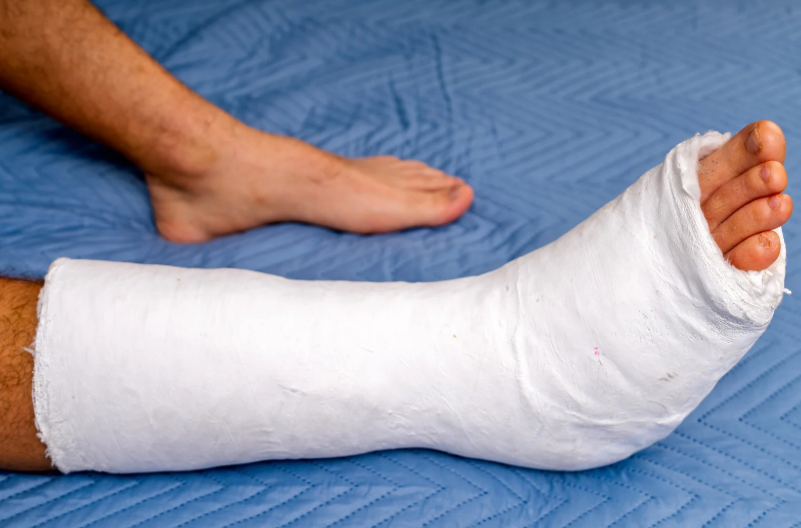
Foot surgery is often only the first step toward full recovery. Whether the procedure involved a fracture repair, tendon reconstruction, or correction of a structural deformity, proper rehabilitation plays a critical role in restoring strength, mobility, and confidence. Patients searching for Foot Injury Treatment Fishers services after surgery need a structured plan designed to protect healing tissues while rebuilding function safely.
Without guided rehabilitation, stiffness, weakness, and lingering pain can delay recovery or even lead to re-injury. That is why many patients trust OPTCI for comprehensive post-surgical care. Their approach to Foot Injury Treatment Fishers focuses on personalized rehabilitation programs that support long-term mobility and help patients return to daily activities, work, and sports safely.
Why Post-Surgical Rehabilitation Is Critical After Foot Surgery
Foot structures are complex. Bones, ligaments, tendons, and muscles must work together to support body weight and maintain balance. After surgery, these tissues require gradual, guided reloading to heal properly. Professional Foot Injury Treatment Fishers programs ensure that healing progresses at the right pace.
Skipping rehabilitation may result in joint stiffness, muscle atrophy, scar tissue buildup, and poor walking mechanics. A carefully monitored plan through Foot Injury Treatment Fishers helps prevent these complications. OPTCI emphasizes controlled movement, pain management, and progressive strengthening to protect the surgical site while restoring function.
Early rehabilitation also improves circulation and reduces swelling. This supports tissue healing and decreases the risk of long-term limitations. With the right Foot Injury Treatment Fishers strategy, patients can move forward confidently rather than feeling unsure about every step.
Common Foot Conditions That Require Post-Surgical Rehab
Several foot conditions require structured rehabilitation after surgery. Each case demands a customized Foot Injury Treatment Fishers plan tailored to the procedure performed and the patient’s goals.
Fracture repairs, including open reduction and internal fixation (ORIF), often require gradual weight-bearing progression. Achilles tendon repairs demand careful strengthening and flexibility training. Ligament reconstructions need stability-focused therapy to restore balance and prevent instability. Bunion corrections and toe surgeries require mobility restoration and gait retraining.
Plantar fascia procedures and tendon repairs also benefit from structured Foot Injury Treatment Fishers programs to prevent stiffness and promote optimal healing. OPTCI evaluates each patient individually, ensuring the rehabilitation plan aligns with surgical protocols and long-term recovery objectives.
What to Expect From Professional Foot Injury Treatment Fishers Programs
Comprehensive Initial Assessment
Effective Foot Injury Treatment Fishers begins with a detailed evaluation. At OPTCI, therapists review surgical reports, assess pain levels, measure range of motion, and evaluate walking mechanics. Weight-bearing capacity and balance are also tested.
This thorough assessment helps identify limitations and set measurable goals. It ensures that each Foot Injury Treatment Fishers plan is tailored to the patient’s current stage of healing.
Customized Rehabilitation Plan
No two recoveries are identical. OPTCI designs individualized Foot Injury Treatment Fishers programs that may include range-of-motion exercises, targeted strengthening, scar tissue management, and balance training.
Therapists adjust exercises based on progress and comfort levels. This structured progression ensures healing tissues are challenged safely without overloading them too soon.
Progressive Return-to-Activity Protocol
Returning to work, exercise, or sports requires more than basic mobility. Advanced Foot Injury Treatment Fishers programs include functional training and sport-specific or job-specific exercises.
OPTCI emphasizes gradual load progression. Patients are monitored for signs of inflammation or instability. This careful approach helps reduce setbacks and promotes a confident return to normal activities.
Key Phases of Post-Surgical Foot Rehabilitation
Phase 1 – Protection and Pain Control
The first phase of Foot Injury Treatment Fishers focuses on protecting the surgical site. Pain management, swelling reduction, and gentle mobility exercises are introduced. Weight-bearing is typically limited and guided by medical recommendations.
OPTCI ensures that patients understand how to protect their foot while beginning controlled movement.
Phase 2 – Restoring Mobility and Strength
As healing progresses, Foot Injury Treatment Fishers shifts toward restoring flexibility and rebuilding muscle strength. Controlled weight-bearing exercises are introduced gradually.
Strengthening exercises target the foot, ankle, and lower leg muscles to improve stability. Proper technique is emphasized to prevent compensatory movement patterns that could affect long-term outcomes.
Phase 3 – Functional Training and Return to Activity
The final stage of Foot Injury Treatment Fishers prepares patients for real-world movement. Walking mechanics are refined, balance is retrained, and dynamic exercises are added.
For athletes, sport-specific drills may be incorporated. For workers, functional tasks related to job demands are practiced. OPTCI ensures patients leave therapy prepared for daily life with improved confidence and strength.
Benefits of Choosing Specialized Foot Injury Treatment Fishers Care
Choosing specialized Foot Injury Treatment Fishers services offers several advantages. Patients often experience faster recovery timelines due to structured progression and close monitoring.
Complication risks decrease when rehabilitation is supervised by experienced professionals. Long-term mobility improves when movement patterns are corrected early. Pain is addressed systematically rather than ignored.
OPTCI stands out as the best company to engage for Foot Injury Treatment Fishers because of its patient-focused approach. The team prioritizes education, individualized care, and evidence-based techniques to deliver reliable results.
Signs You Need Professional Foot Injury Treatment Fishers After Surgery
Certain symptoms indicate the need for professional Foot Injury Treatment Fishers support. Persistent swelling that does not improve may signal improper loading. Limited range of motion can hinder walking and balance.
Ongoing pain during weight-bearing, instability, or difficulty walking are also signs that structured rehabilitation is necessary. OPTCI evaluates these concerns thoroughly and adjusts treatment plans accordingly.
Ignoring these warning signs can delay recovery. Early intervention through Foot Injury Treatment Fishers helps prevent minor setbacks from becoming major complications.
How Long Does Post-Surgical Foot Rehabilitation Take?
Recovery timelines vary depending on the type of surgery, severity of the injury, and individual healing capacity. Some Foot Injury Treatment Fishers programs may last several weeks, while more complex cases may require several months.
Consistency plays a key role. Patients who attend sessions regularly and follow home exercise programs tend to recover more efficiently. OPTCI provides guidance and monitoring to ensure steady progress throughout the rehabilitation journey.
Patience is important. Healing tissues require time to adapt to increasing loads. A structured Foot Injury Treatment Fishers plan ensures that recovery moves forward without unnecessary risk.
Choosing the Right Provider for Foot Injury Treatment Fishers
Selecting the right provider can make a significant difference in recovery outcomes. Look for experience in post-surgical rehabilitation, personalized treatment plans, and clear communication.
OPTCI combines clinical expertise with compassionate care. Their commitment to individualized Foot Injury Treatment Fishers programs helps patients feel supported at every stage. Modern rehabilitation techniques and one-on-one supervision further enhance recovery quality.
Patients who choose OPTCI for Foot Injury Treatment Fishers benefit from a team dedicated to restoring mobility and confidence.
Schedule Your Foot Injury Treatment Fishers Post-Surgical Rehabilitation Today
Recovery does not end after surgery. A guided, structured rehabilitation program is essential for restoring mobility and preventing future problems. Foot Injury Treatment Fishers services at OPTCI provide the expertise, personalized care, and supportive environment patients need for successful recovery.
Take the next step toward safe, confident movement. Contact OPTCI today to begin your customized Foot Injury Treatment Fishers program and move forward with strength and stability.
Frequently Asked Questions
When should I start Foot Injury Treatment Fishers rehabilitation after surgery?
Most patients begin Foot Injury Treatment Fishers shortly after surgery, depending on the surgeon’s recommendations. Early guided movement often supports better outcomes.
Is Foot Injury Treatment Fishers painful?
Some mild discomfort may occur as tissues regain strength and flexibility. However, Foot Injury Treatment Fishers at OPTCI is carefully managed to avoid excessive pain.
How many sessions will I need?
The number of sessions varies. Simple procedures may require a few weeks of Foot Injury Treatment Fishers, while complex surgeries may require extended care.
Can I return to sports after surgery?
With proper Foot Injury Treatment Fishers, many patients successfully return to sports. Rehabilitation focuses on rebuilding strength, balance, and confidence before clearance.
What happens if I skip rehabilitation?
Skipping Foot Injury Treatment Fishers can result in stiffness, weakness, chronic pain, or re-injury. Structured therapy significantly improves long-term outcomes.