Glaucoma is a leading cause of irreversible vision loss worldwide, often progressing silently until significant damage occurs. Detecting Glaucoma early is crucial for preserving vision, and recent advancements in imaging technology have transformed how ophthalmologists diagnose and manage this condition. With precision tools and expert evaluation, Lee Tan Eye Center ensures patients receive comprehensive care for Glaucoma, improving outcomes and protecting eye health.
What is Glaucoma?
Glaucoma refers to a group of eye diseases that damage the optic nerve, typically due to increased intraocular pressure. The most common forms are open-angle Glaucoma and angle-closure Glaucoma, with normal-tension Glaucoma affecting individuals even without elevated eye pressure. If left untreated, Glaucoma can lead to permanent vision loss, starting with peripheral vision and eventually impacting central vision. Early detection is essential to prevent progression, and patients may not notice symptoms until the disease has advanced, emphasizing the need for regular eye evaluations.
Limitations of Traditional Glaucoma Diagnosis
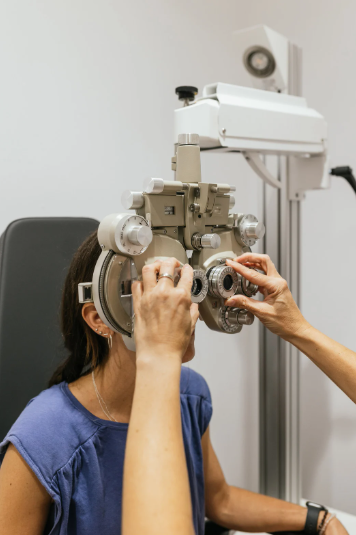
Traditional Glaucoma tests include measuring eye pressure, evaluating the optic nerve with ophthalmoscopy, and assessing the visual field. While these methods are helpful, they have limitations. Eye pressure alone may not detect normal-tension Glaucoma, and visual field tests can be subjective, sometimes missing subtle changes in vision. Relying solely on these conventional methods can delay diagnosis, putting patients at risk for irreversible vision loss. Recognizing these challenges, Lee Tan Eye Center integrates advanced imaging into Glaucoma care to ensure precise and early detection.
Role of Advanced Imaging in Glaucoma Diagnosis
Advanced imaging technologies provide detailed structural and functional information about the eye, allowing ophthalmologists to detect Glaucoma before significant vision loss occurs. Optical Coherence Tomography (OCT) creates high-resolution cross-sectional images of the retina, revealing thinning of the retinal nerve fiber layer—a key indicator of Glaucoma. Fundus photography captures detailed images of the optic nerve and retina, enabling careful monitoring of structural changes over time. Scanning Laser Ophthalmoscopy (SLO) provides three-dimensional imaging of the optic nerve head, assisting in early detection of Glaucoma progression. By combining these imaging tools, Lee Tan Eye Center offers a comprehensive approach to Glaucoma diagnosis, ensuring no detail goes unnoticed.
Benefits of Advanced Imaging
Advanced imaging provides multiple benefits for patients with or at risk of Glaucoma. Early detection is one of the most significant advantages, allowing interventions before irreversible damage occurs. These technologies also facilitate accurate monitoring of disease progression, helping ophthalmologists adjust treatment plans as needed. Subtle changes in the optic nerve and retinal layers can be identified before they manifest in visual field loss. Advanced imaging also enhances patient education, as individuals can visualize their optic nerve health and understand the importance of adherence to treatment. Lee Tan Eye Center uses these imaging tools to deliver personalized care, tailoring management strategies to each patient’s unique condition and risk factors.
Why Lee Tan Eye Center Excels in Glaucoma Diagnosis
Lee Tan Eye Center combines state-of-the-art imaging equipment with highly trained ophthalmologists specializing in Glaucoma care. The clinic offers comprehensive Glaucoma screening, including OCT, fundus photography, and SLO imaging, ensuring early detection and accurate monitoring. Beyond diagnostics, the center provides patient-focused care, educating individuals on Glaucoma risk factors, treatment options, and preventive measures. With a commitment to precision, technology, and compassionate service, Lee Tan Eye Center stands out as a trusted partner for anyone seeking reliable Glaucoma evaluation and management.
Takeaway
Advanced imaging has revolutionized Glaucoma diagnosis, enabling early detection, accurate monitoring, and personalized treatment. Patients benefit from comprehensive evaluations that identify subtle changes before they result in vision loss. Lee Tan Eye Center leverages cutting-edge imaging and expert knowledge to provide reliable, patient-focused Glaucoma care. Protecting vision starts with precise diagnosis, and partnering with Lee Tan Eye Center ensures the best approach to maintaining eye health and managing Glaucoma effectively.
Frequently Asked Questions (FAQs)
What is the most accurate test for Glaucoma?
Optical Coherence Tomography (OCT) is considered one of the most accurate tests for detecting early structural changes associated with Glaucoma, often before vision loss occurs.
How often should Glaucoma screening be done?
Individuals at risk for Glaucoma should have comprehensive eye exams annually. High-risk patients may require more frequent evaluations with advanced imaging.
Can advanced imaging prevent vision loss from Glaucoma?
While imaging does not prevent Glaucoma, it enables early detection and monitoring, which are critical for interventions that preserve vision.
Is Glaucoma hereditary or influenced by lifestyle?
Glaucoma has a hereditary component, and family history increases risk. Lifestyle factors such as eye injuries, high eye pressure, and age can also contribute.
Why should I choose Lee Tan Eye Center for Glaucoma care?
Lee Tan Eye Center offers advanced imaging technologies, expert ophthalmologists, and patient-centered care, ensuring precise diagnosis and effective management of Glaucoma.