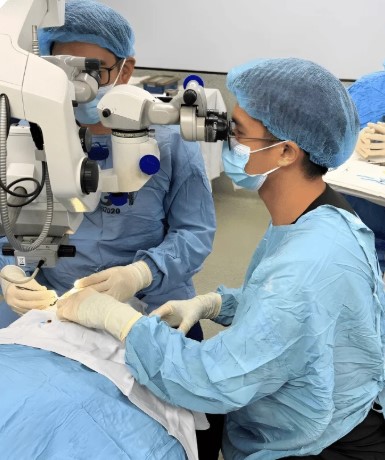
Sight is one of the most valuable senses, yet many serious eye conditions develop without warning signs. Regular checkups with comprehensive ophthalmology are essential for detecting these issues early, even before symptoms appear. Lee Tan Eye Clinic stands out as a trusted provider, offering advanced eye exams that prioritize prevention, accuracy, and long-term eye health.
What Is Comprehensive Ophthalmology?
Comprehensive ophthalmology is a holistic approach to eye care that goes beyond standard vision tests. Unlike routine screenings that may only check vision clarity, comprehensive ophthalmology evaluates the overall health of the eyes, including the retina, optic nerve, cornea, and lens. This approach enables early identification of medical conditions such as glaucoma, macular degeneration, diabetic retinopathy, and cataracts. At Lee Tan Eye Clinic, comprehensive ophthalmology ensures that patients receive thorough examinations and personalized care tailored to their risk factors.
Why Many Eye Conditions Show No Early Symptoms
Many eye diseases progress silently. The eye can often compensate for minor changes in vision, masking the early stages of potentially serious conditions. Glaucoma, for example, is commonly called the “silent thief of sight” because significant vision loss can occur before noticeable symptoms develop. Comprehensive ophthalmology detects these silent threats by using advanced diagnostic tools that reveal subtle changes before they affect vision. Proactive monitoring through Lee Tan Eye Clinic gives patients a significant advantage in preserving long-term eye health.
Advanced Diagnostic Tests Used in Comprehensive Eye Exams
Comprehensive ophthalmology relies on sophisticated tests to uncover hidden eye conditions. Key examinations include:
Dilated Eye Exam
Dilation allows ophthalmologists to examine the retina and optic nerve in detail, identifying early signs of disease that would otherwise go unnoticed.
Optical Coherence Tomography (OCT)
OCT imaging captures high-resolution cross-sectional views of the retina, helping detect early glaucoma, macular degeneration, and other retinal issues.
Visual Field Testing
This test measures peripheral vision, identifying areas of vision loss that may indicate glaucoma or other neurological issues.
Tonometry
Tonometry measures intraocular pressure, which is crucial for early glaucoma detection and monitoring.
Retinal Imaging
High-definition retinal scans help track changes over time, allowing for early intervention before symptoms appear.
At Lee Tan Eye Clinic, all these diagnostic tools are integrated into comprehensive ophthalmology exams, ensuring every patient receives a thorough evaluation.
Common Eye Conditions Detected Before Symptoms Appear
Glaucoma
Glaucoma can develop without warning, often causing irreversible damage to the optic nerve. Comprehensive ophthalmology can detect elevated eye pressure and nerve changes early, allowing timely treatment.
Macular Degeneration
Early stages of macular degeneration are usually asymptomatic. OCT imaging in comprehensive ophthalmology detects subtle retinal changes, enabling interventions that slow disease progression.
Diabetic Retinopathy
Diabetic patients may experience retinal damage long before vision is affected. Regular comprehensive ophthalmology exams identify these changes early, reducing the risk of permanent vision loss.
Cataracts
Cataracts develop gradually, often unnoticed until vision blurs significantly. Comprehensive ophthalmology can detect early lens clouding, helping patients plan for corrective procedures if needed.
Retinal Tears or Detachment
Small retinal tears can lead to serious complications if left untreated. Comprehensive ophthalmology identifies these issues before they become emergencies.
Who Is Most at Risk for Silent Eye Diseases?
Certain individuals are more susceptible to asymptomatic eye conditions. Adults over 40, people with diabetes, those with high blood pressure, and individuals with a family history of eye disease are at higher risk. Prolonged screen use and lifestyle factors can also contribute to early retinal changes. Lee Tan Eye Clinic recommends proactive comprehensive ophthalmology exams for high-risk patients to prevent vision loss.
Benefits of Early Detection Through Comprehensive Ophthalmology
Early detection through comprehensive ophthalmology offers multiple advantages. It prevents irreversible vision loss, expands treatment options, slows disease progression, and promotes long-term eye health. Patients gain peace of mind knowing that even silent threats are monitored and managed proactively. Lee Tan Eye Clinic emphasizes preventive care, ensuring that every patient leaves with a clear understanding of their eye health status.
How Often Should You Get a Comprehensive Eye Exam?
The frequency of comprehensive ophthalmology exams depends on age and risk factors. Adults under 40 with no risk factors may benefit from exams every two years. Those over 40 or with high-risk conditions should consider annual evaluations. Diabetic patients and those with a family history of glaucoma may need more frequent checkups. Lee Tan Eye Clinic offers flexible scheduling to accommodate all patients, making it easy to stay on top of eye health.
What to Expect During a Comprehensive Eye Appointment
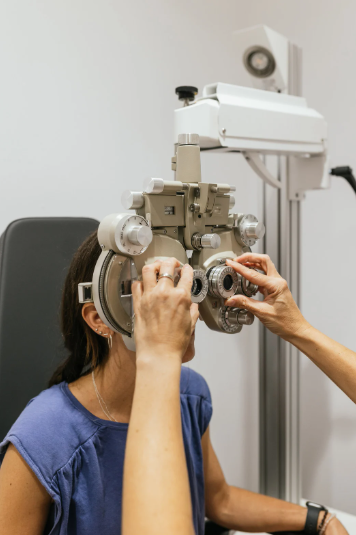
A typical appointment at Lee Tan Eye Clinic begins with a detailed medical history review, followed by a series of advanced tests. Patients can expect visual acuity assessments, intraocular pressure measurements, retinal imaging, OCT scans, and dilated eye exams. Each test provides valuable information, allowing the ophthalmologist to detect early warning signs of eye disease. Patients receive personalized recommendations and, if necessary, treatment plans to protect vision for years to come.
FAQs About Comprehensive Ophthalmology
Q: Is comprehensive ophthalmology necessary if I have no vision problems?
A: Yes. Many serious eye conditions develop silently. Comprehensive ophthalmology can detect these issues before symptoms appear, enabling early intervention.
Q: How long does a comprehensive eye exam take?
A: Most exams last between 45 minutes to an hour, depending on the tests required.
Q: Can children benefit from comprehensive ophthalmology?
A: Absolutely. While many eye issues in children are related to vision correction, early detection of certain conditions can prevent long-term complications.
Q: How often should I have a comprehensive eye exam?
A: Adults over 40 or high-risk individuals should have annual exams. Others may benefit from exams every 1–2 years based on their risk factors.
Q: Why choose Lee Tan Eye Clinic for comprehensive ophthalmology?
A: Lee Tan Eye Clinic offers state-of-the-art diagnostic tools, experienced ophthalmologists, and a patient-focused approach that prioritizes early detection and long-term eye health.
Takeaway
Comprehensive ophthalmology plays a crucial role in protecting vision by detecting eye conditions before symptoms appear. Early identification allows for timely intervention, preserving sight and improving long-term outcomes. Lee Tan Eye Clinic combines advanced diagnostic technology with personalized care, making it the ideal choice for anyone seeking proactive eye health management. Schedule your comprehensive ophthalmology exam today to ensure your eyes stay healthy for years to come.