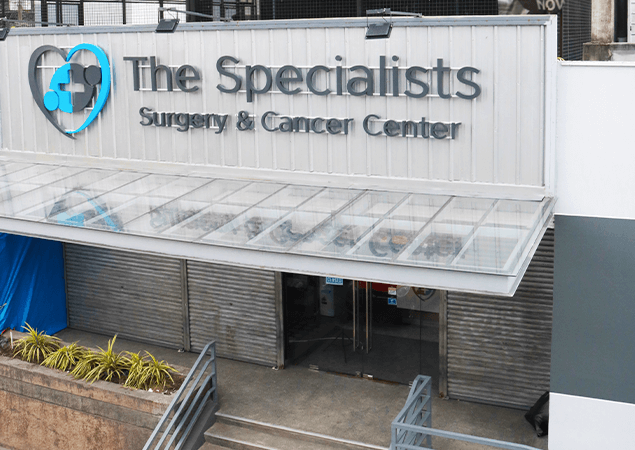
Debridement is an essential procedure for wound care that removes dead, damaged, or infected tissue to allow proper healing. At The Specialist Surgery & Cancer Center (TSSCC) in Quezon City, patients from Metro Manila and other parts of the Philippines receive precise and safe debridement performed by experienced doctors. Proper management of wounds through debridement reduces the risk of complications, accelerates healing, and can prevent the need for costly hospitalizations. TSSCC offers a patient-focused clinic environment with skilled doctors committed to early diagnosis, proper treatment, and safe recovery.
Debridement is not just about removing damaged tissue. It is a critical step in preventing infections, promoting healthy tissue regrowth, and preparing the wound for closure or additional treatment. Each wound is unique, and TSSCC doctors assess every case carefully to ensure that the debridement procedure is appropriate for the patient’s condition, whether the wound is chronic, post-surgical, or caused by trauma.
What is Debridement?
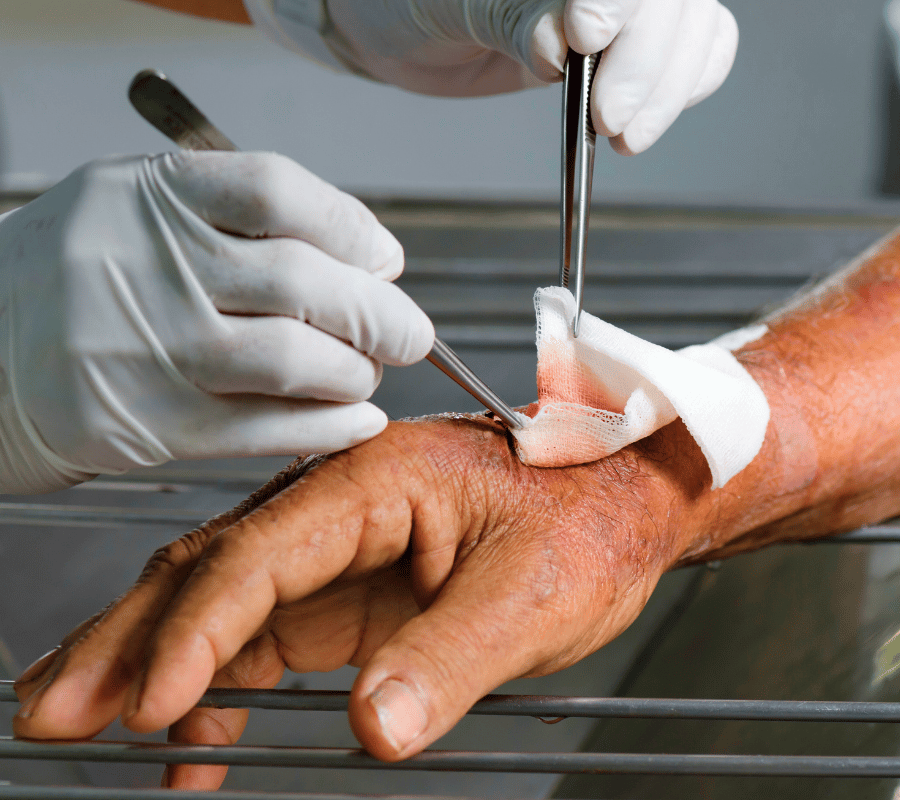
Debridement is a medical procedure designed to eliminate nonviable tissue from a wound. Dead tissue can block the healing process and create a favorable environment for infection. By carefully removing damaged tissue, debridement helps the body repair itself more effectively. This procedure supports proper wound healing by exposing healthy tissue and allowing new cells to grow.
Debridement at TSSCC is performed by doctors who specialize in wound care, ensuring precise removal of affected tissue while minimizing discomfort and preventing further complications. Advanced wound-care principles guide every step, from evaluation to aftercare. The process is tailored to the type of wound, whether it is chronic, post-surgical, or traumatic.
Patients visiting TSSCC for debridement benefit from a clinic environment designed to be clean and safe. The outpatient setting encourages recovery in a comfortable space, reducing exposure to hospital-acquired infections. This approach allows patients to focus on healing while receiving expert care without unnecessary delays or complications.
Who Needs Debridement?
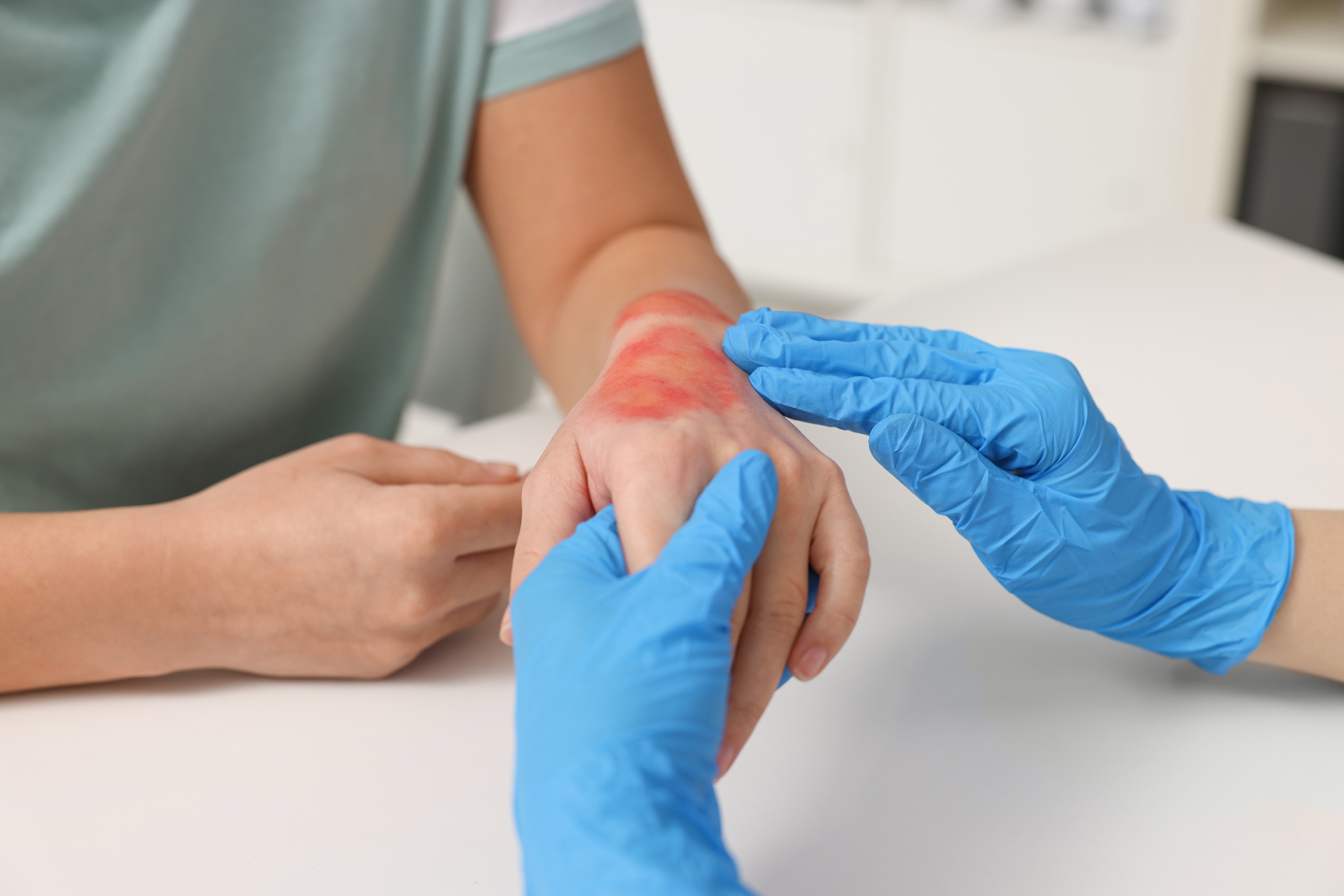
Debridement is recommended for wounds that do not heal properly due to the presence of dead or infected tissue. Patients who often require debridement include those with chronic wounds, post-surgical wounds that heal slowly, traumatic injuries, and infected or necrotic wounds. Venous ulcers and wounds with persistent inflammation may also benefit from debridement to encourage tissue regeneration.
Patients with chronic conditions such as diabetes or limited mobility are particularly vulnerable to wounds that fail to heal. Without timely intervention, these wounds can become severely infected, leading to longer recovery times and more complex treatments. Debridement removes barriers to healing and creates the conditions for tissue repair and infection prevention.
Debridement is not limited to severe wounds. Early intervention is critical because small or seemingly minor wounds can worsen if ignored. TSSCC encourages patients to seek treatment at the first sign of slow healing or tissue damage. This proactive approach reduces complications, improves healing outcomes, and helps patients avoid expensive hospital procedures.
How Debridement Works at TSSCC
The debridement process at TSSCC begins with a thorough evaluation by an experienced doctor. Each wound is assessed for severity, the presence of dead tissue, and potential infection. This evaluation determines the most appropriate debridement technique to achieve the best healing outcome.
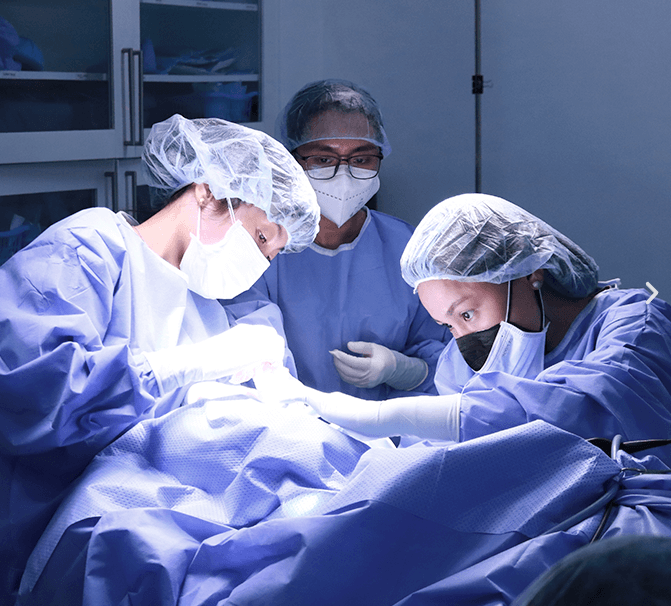
The procedure itself involves the careful removal of dead, damaged, or infected tissue. TSSCC doctors use precise methods to minimize pain and prevent further injury. Depending on the wound type, debridement may involve mechanical, surgical, enzymatic, or autolytic techniques, ensuring that treatment is customized for each patient.
After debridement, the wound is cleaned and prepared for further healing. Proper aftercare instructions are provided to support recovery at home. TSSCC emphasizes patient education, making sure individuals understand how to care for their wounds, recognize early signs of infection, and follow up with their doctor when necessary. This guidance helps prevent complications and promotes faster, safer healing.
The outpatient setting at TSSCC allows patients to return home after the procedure, reducing exposure to infections and unnecessary hospital visits. Healing in a familiar environment contributes to comfort and overall recovery.
Benefits of Choosing TSSCC for Debridement
Patients who choose TSSCC for debridement receive several benefits that improve the healing process and overall experience. One of the most significant advantages is reduced hospital exposure. Traditional hospital settings often involve long waits and contact with other patients, which increases the risk of facility-acquired infections. TSSCC outpatient clinics allow patients to heal safely in a controlled environment.
Affordable care is another key benefit. TSSCC offers value-focused pricing to ensure that patients do not delay seeking medical attention due to financial concerns. Early intervention is often less costly and less invasive than treating advanced wounds, making debridement at TSSCC a smart choice for families across the Philippines.
Expert doctors with extensive experience in wound management provide precise and safe debridement. Their knowledge ensures that every patient receives a procedure tailored to their wound type, promoting faster recovery and reducing the likelihood of complications. TSSCC also provides guidance for post-procedure care, helping patients maintain optimal healing conditions at home.
For patients with mobility challenges, chronic illnesses, or conditions that increase the risk of infection, TSSCC offers accessible and supportive care. Debridement performed at the clinic not only treats the wound but also addresses underlying factors that may affect healing. This holistic approach to care enhances recovery and long-term health outcomes.
Tips for Wound Care After Debridement
Proper care after debridement is essential for optimal healing. Patients should follow the instructions provided by their doctors carefully. Cleaning the wound with recommended solutions, changing dressings as advised, and monitoring for signs of infection are critical steps in post-procedure care. Avoiding unnecessary pressure on the affected area and maintaining good nutrition can also support tissue regrowth.
Patients should remain vigilant for signs of infection, including increased redness, swelling, warmth, or discharge. If any of these symptoms occur, contacting TSSCC promptly ensures timely intervention. Regular follow-ups allow doctors to track healing progress and make adjustments to treatment plans if needed.
Education is a core component of TSSCC’s approach. Patients are provided with clear instructions and resources to manage their wounds safely at home. This guidance reduces the risk of complications and supports faster, more effective recovery.
Why Early Treatment Matters
Delaying wound care can lead to more serious health issues and higher treatment costs. Minor symptoms, if ignored, may develop into infections or chronic wounds that require extensive intervention. Debridement performed early in the healing process removes obstacles to recovery and reduces the likelihood of costly hospitalizations.
TSSCC emphasizes the importance of early intervention. By addressing wounds promptly, patients avoid the complications associated with delayed treatment. Early debridement reduces discomfort, shortens recovery time, and minimizes financial and emotional stress for patients and families.
Early treatment also ensures better overall outcomes. Patients who receive timely debridement experience faster healing, lower infection rates, and improved quality of life. TSSCC’s commitment to accessible, affordable care encourages patients to seek help without delay, ensuring that wounds are managed safely and effectively.
Takeaway
Debridement is a vital procedure for anyone with wounds that are slow to heal, infected, or contain damaged tissue. At The Specialist Surgery & Cancer Center, patients in Quezon City and across Metro Manila receive safe, effective, and affordable care from experienced doctors. Proper debridement accelerates healing, reduces complications, and provides guidance for post-procedure recovery at home. By choosing TSSCC, patients gain access to expert wound care in a patient-centered environment, helping them heal safely and efficiently while minimizing unnecessary hospital visits and costs.
FAQ About Debridement
What is Debridement?
Debridement is a medical procedure that removes dead, damaged, or infected tissue from a wound to allow proper healing and prevent infection.
Who needs Debridement?
Patients with slow-healing wounds, chronic ulcers, post-surgical complications, traumatic injuries, infected tissue, or venous ulcers may require debridement.
Is Debridement painful?
Debridement may cause mild discomfort, but TSSCC doctors take measures to minimize pain during the procedure. Local anesthesia or other techniques may be used depending on the wound type.
How long does it take to heal after Debridement?
Healing time varies depending on the wound type, size, and patient condition. Proper aftercare and following doctor instructions support faster recovery.
Can Debridement be done at home?
Debridement should be performed by trained medical professionals at a clinic or hospital. TSSCC offers outpatient procedures, allowing patients to recover at home after the procedure safely.
How can I prevent infection after Debridement?
Follow post-procedure instructions, keep the wound clean, change dressings as advised, monitor for signs of infection, and attend follow-up appointments.
Why should I seek Debridement early?
Early debridement prevents complications, reduces healing time, lowers the risk of infection, and avoids more costly and invasive treatments in the future.