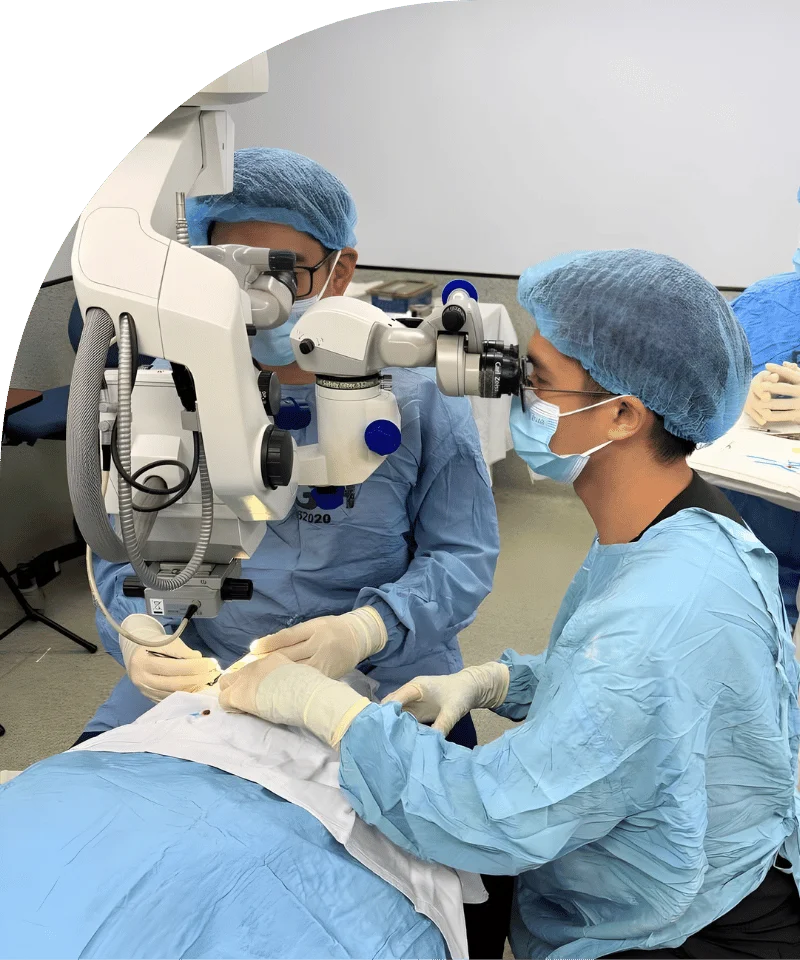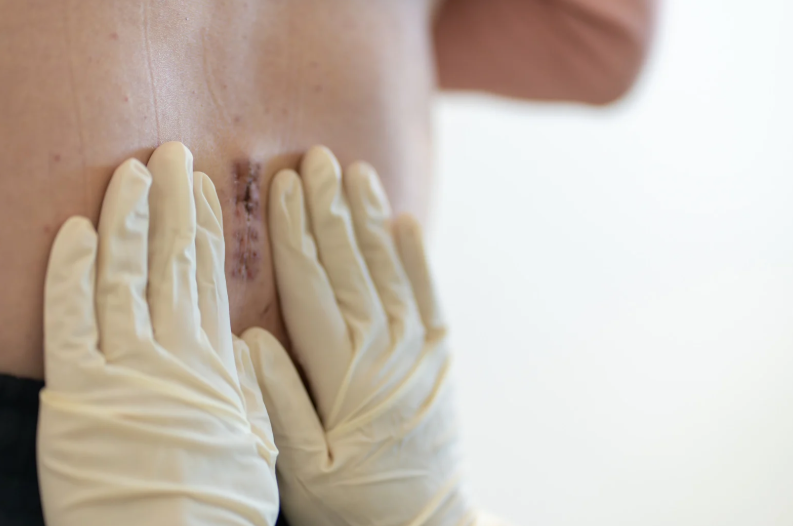
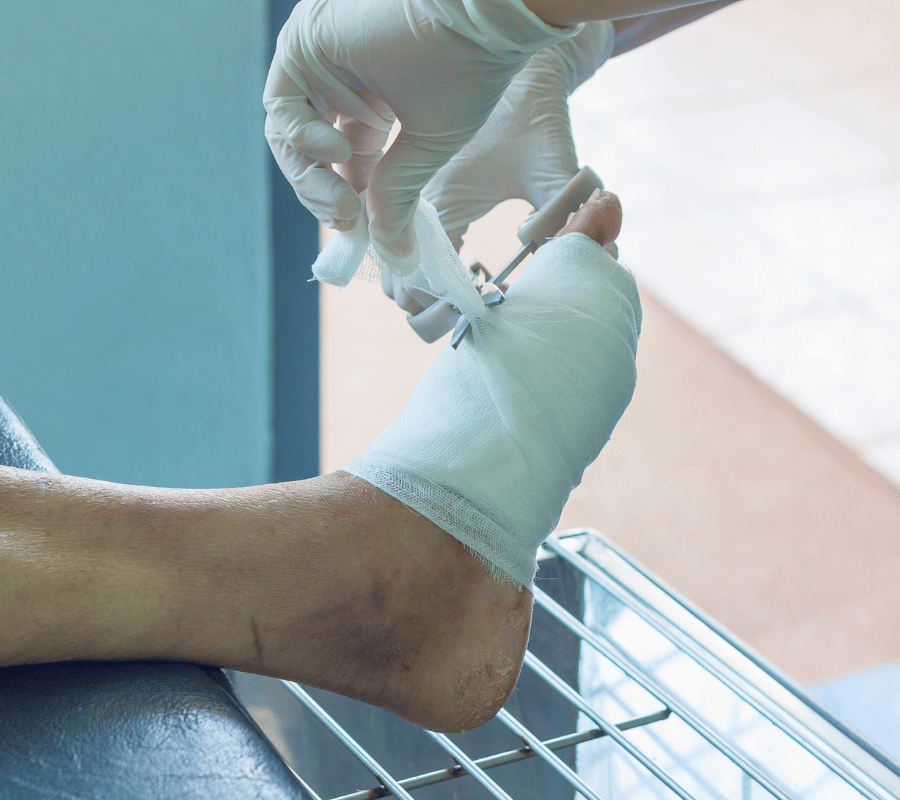
Knee wounds can be stubborn and challenging to heal, especially when mobility, joint stress, and delicate skin come into play. A knee wound not healing can be frustrating and concerning, leaving patients at risk for infections, prolonged discomfort, and limited mobility. One of the most effective ways to accelerate recovery and ensure proper wound management is through expert debridement, a procedure best handled by experienced professionals. Kalingap Wound Care Clinic stands out as a leading provider for individuals seeking reliable and safe wound care services.
Understanding Knee Wounds
Knee wounds vary widely, ranging from minor cuts and abrasions to post-surgical wounds or chronic ulcers. A knee wound not healing is often the result of underlying complications such as repeated movement, poor circulation, or infection. The knee is a high-mobility joint, and constant bending and stretching can make even minor injuries slow to heal. Recognizing the type of wound and understanding its healing challenges is crucial for effective treatment. Professional assessment ensures that proper interventions, including debridement, are applied at the right time.
What is Debridement?
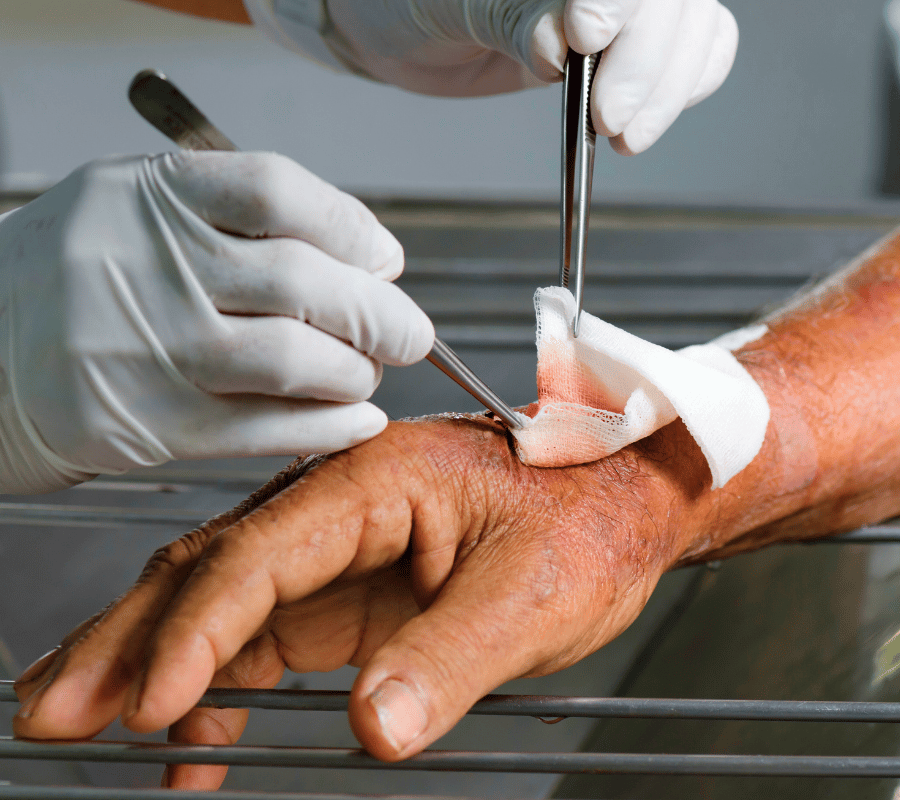
Debridement is the medical process of removing dead, damaged, or infected tissue from a wound to promote natural healing. When a knee wound is not healing, necrotic tissue can act as a barrier, preventing new tissue formation and increasing the risk of infection. There are several types of debridement that specialists use, each tailored to the wound’s condition:
- Surgical Debridement: Rapid removal of dead tissue using specialized tools.
- Mechanical Debridement: Physical cleaning methods such as wet-to-dry dressings or irrigation.
- Enzymatic Debridement: Application of chemical agents that dissolve dead tissue.
- Autolytic Debridement: Uses the body’s natural enzymes and moisture-retentive dressings to break down dead tissue.
Professional debridement not only removes barriers to healing but also prepares the wound for treatments like medicated dressings or antibiotics, helping resolve a knee wound not healing in a timely manner.
How Expert Debridement Supports Healing
Expert debridement is more than just removing dead tissue. Its benefits are comprehensive, addressing both physical and biological factors that impede recovery.
Promotes Faster Tissue Regeneration
Dead tissue prevents new cells from forming properly. Removing this barrier allows healthy tissue to regenerate efficiently, accelerating the healing of a knee wound not healing as expected.
Reduces Risk of Infection
Knee wounds that remain untreated or improperly managed are susceptible to bacterial colonization. Expert debridement eliminates these potential sources of infection, minimizing complications and reducing hospitalizations.
Enhances Effectiveness of Topical Treatments
Treatments like medicated ointments and wound dressings are significantly more effective when applied to a clean, debrided wound. This ensures that healing agents penetrate deeply into tissue, supporting faster recovery.
Improves Patient Comfort and Mobility
Chronic wounds can cause pain, swelling, and stiffness, especially around a joint like the knee. Proper debridement helps reduce inflammation and discomfort, allowing patients to regain mobility more quickly.
The Role of a Wound Care Specialist
Handling a knee wound not healing requires the expertise of trained specialists. Wound care experts assess the wound’s severity, choose the appropriate debridement technique, and develop a comprehensive care plan. Attempting home remedies or unsupervised procedures can worsen the condition and increase the risk of infection. Kalingap Wound Care Clinic provides skilled professionals who combine advanced techniques with compassionate care to ensure optimal healing outcomes.
Supporting Healing After Debridement
Healing does not stop after debridement. Post-procedure care is essential for maintaining progress and preventing complications. Steps to support recovery include:
- Proper Dressing Changes and Hygiene: Maintaining a clean environment prevents reinfection.
- Nutrition and Hydration: A balanced diet rich in proteins, vitamins, and minerals supports tissue regeneration.
- Physical Therapy and Mobility Considerations: Gentle exercises prevent stiffness and strengthen the joint without disturbing the healing wound.
- Monitoring for Signs of Infection: Early detection of redness, swelling, or unusual discharge allows timely intervention.
Following these steps ensures a knee wound not healing progresses steadily toward full recovery.
Common Myths and Misconceptions
Many people avoid professional care due to myths about debridement:
- “Debridement is always painful” – Pain management techniques make the procedure comfortable.
- “Home remedies can replace expert debridement” – Only trained specialists can properly remove necrotic tissue and reduce infection risk.
- “All wounds heal on their own” – Chronic or complicated knee wounds often require professional intervention to avoid permanent damage.
Dispelling these misconceptions helps patients understand the value of seeking expert care at clinics like Kalingap Wound Care Clinic.
Takeaway
A knee wound not healing can lead to prolonged discomfort and increased risk of infection if left untreated. Expert debridement is a proven method to accelerate recovery, enhance treatment effectiveness, and restore mobility. Seeking the guidance of skilled professionals ensures the best outcomes. Kalingap Wound Care Clinic provides comprehensive wound management solutions, combining expertise, advanced techniques, and personalized care to help patients achieve faster and safer healing.
FAQ
Q1: How long does it take for a knee wound to heal after debridement?
Healing time depends on the wound’s size, depth, and underlying health conditions. Expert care and proper post-debridement management can significantly accelerate recovery.
Q2: Is debridement painful?
Professional debridement is usually performed with local anesthesia or pain management techniques, making the procedure relatively comfortable.
Q3: Can all knee wounds be debrided?
Most chronic, infected, or non-healing knee wounds benefit from debridement. However, the method is tailored to each patient’s specific condition by a wound care specialist.
Q4: Why choose Kalingap Wound Care Clinic?
They specialize in advanced wound management, offering expert debridement and personalized care plans, making them a trusted choice for a knee wound not healing.
Q5: What can I do at home to support healing?
Follow your specialist’s advice, maintain hygiene, eat a nutrient-rich diet, and monitor for signs of infection to support recovery after professional care.