Puncture wounds can be deceptively serious. They may appear small on the surface, but the depth and type of object that caused the wound can create risks for infection, tissue damage, and chronic complications. Proper Puncture Wound Care ensures fast healing, prevents infection, and reduces the likelihood of long-term complications. For patients in Quezon City and Metro Manila, Kalingap Wound Care Clinic provides professional care guided by expertise, compassion, and Filipino values of kalinga (care) and lingap (nurture).
Understanding the nature of puncture wounds, recognizing the signs of infection, and seeking professional care promptly are essential steps toward recovery. Kalingap Wound Care Clinic specializes in advanced treatments for puncture wounds, combining modern techniques with patient-centered attention to promote healing.
Causes and Risks of Puncture Wounds
Puncture wounds occur when a sharp object pierces the skin and underlying tissues. Common causes include nails, glass, metal shards, animal bites, and accidental injuries at home or work. While some puncture wounds may seem minor, their narrow and deep nature increases the risk of bacteria being trapped inside, leading to infection.
Ignoring a puncture wound can result in abscess formation, tetanus, or chronic wounds that fail to heal. Individuals with weakened immune systems, diabetes, or other chronic conditions are particularly vulnerable to complications. Professional Puncture Wound Care addresses both the visible wound and underlying risks, ensuring thorough cleaning, evaluation, and monitoring.
Prompt evaluation at a specialized clinic can identify hidden damage, such as tendon or bone involvement, and prevent further complications. Kalingap Wound Care Clinic provides a comprehensive approach to assessing puncture wounds, determining their severity, and implementing targeted treatment plans.
Symptoms and Signs to Watch For
Recognizing the symptoms of puncture wounds and early signs of infection is crucial for effective care. Patients should monitor for redness, swelling, warmth around the wound, persistent pain, or pus. Fever or other systemic signs can indicate a more serious infection that requires immediate professional attention.
Even small puncture wounds should not be ignored if there is evidence of contamination from dirt, rust, or animal bites. Seeking professional Puncture Wound Care promptly can prevent conditions from worsening and reduce the risk of chronic wound development.
Kalingap Wound Care Clinic emphasizes education for patients and caregivers to recognize warning signs and take quick action. Early detection and treatment are key to faster recovery and preventing complications.
Professional Puncture Wound Care at Kalingap Wound Care Clinic
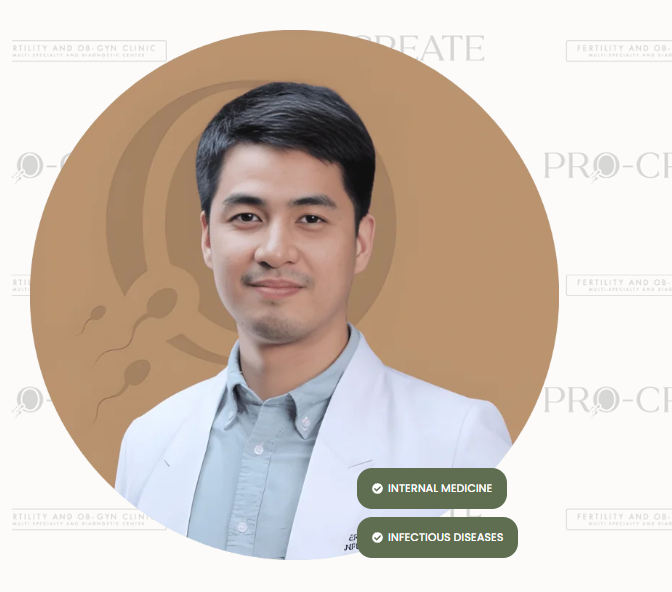
Kalingap Wound Care Clinic offers specialized treatment for puncture wounds under the guidance of Dr. Lou Mervyn Tec, a board-certified orthopedic surgeon and Certified Wound Specialist. With training in Japan and Australia, Dr. Tec has extensive experience managing deep, chronic, and infected wounds, providing patients with advanced care that prioritizes both medical outcomes and compassionate attention.
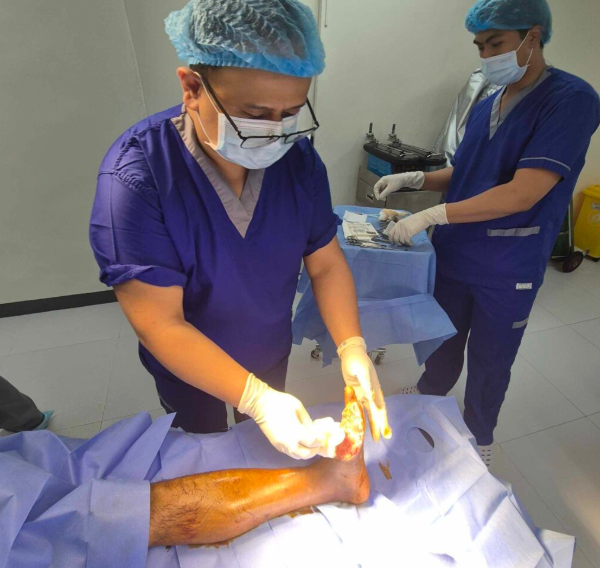
The clinic offers several advanced techniques for Puncture Wound Care, including ultrasonic-assisted debridement to gently remove foreign material and dead tissue. Negative pressure wound therapy accelerates healing for deep or chronic wounds while minimizing infection risks. The team at Kalingap Wound Care Clinic provides infection control strategies for wounds that are already contaminated or slow to heal, ensuring that patients receive comprehensive care.
Filipino values of kalinga and lingap are central to every patient interaction. The clinic combines cutting-edge medical care with empathy, supporting patients throughout their recovery. This approach makes Kalingap Wound Care Clinic a trusted destination for puncture wound treatment in Quezon City and Metro Manila.
Step-by-Step Treatment Process
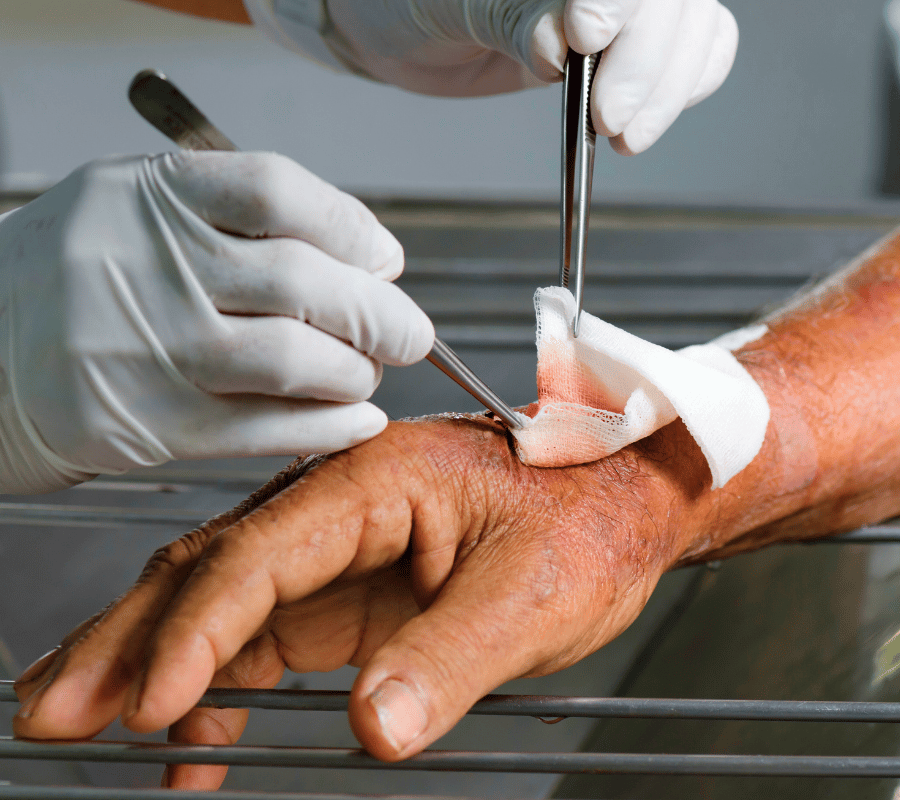
Effective Puncture Wound Care begins with a careful assessment to determine the severity and underlying cause of the wound. The evaluation identifies whether there is foreign material lodged in the tissue, the risk of infection, and any potential damage to underlying structures.
Debridement follows, removing dead tissue and contaminants to reduce infection risk and promote healing. For deep or chronic puncture wounds, negative pressure wound therapy may be applied. This vacuum-assisted method stimulates tissue regeneration and accelerates closure of the wound.
Infection management is an essential component of Puncture Wound Care. Antibiotics may be prescribed for infected wounds or wounds at high risk of infection. The clinic also provides dressing guidance and wound monitoring to ensure proper healing.
Follow-up care ensures that the wound continues to heal as expected. Patients are advised on proper hygiene, dressing changes, and signs to watch for. Kalingap Wound Care Clinic also provides long-term strategies to prevent recurrence, especially for patients with chronic conditions or reduced mobility.
Tips for Healing and Prevention at Home
Proper home care complements professional Puncture Wound Care and supports faster recovery. Patients should clean the wound gently with mild antiseptic solutions and follow the dressing instructions provided by the clinic. Avoiding contamination and monitoring for signs of infection is critical.
Families and caregivers can play an important role by assisting with dressing changes, ensuring hygiene, and recognizing early warning signs of infection. Education provided by Kalingap Wound Care Clinic empowers caregivers to maintain effective wound care practices at home, reducing the likelihood of complications.
Maintaining general health through proper nutrition, hydration, and rest also supports wound healing. Patients should follow medical advice closely and schedule follow-up visits as recommended by their wound specialist.
Who Should Seek Expert Wound Care
Certain patients require immediate attention for Puncture Wound Care. High-risk individuals include the elderly, those with diabetes or compromised immune systems, and bedridden patients. Deep, infected, or slow-healing wounds also require specialized treatment.
Patients who notice persistent pain, swelling, discharge, or systemic symptoms like fever should seek professional care immediately. Timely intervention reduces complications and supports faster recovery. Kalingap Wound Care Clinic provides expert evaluation and treatment to address both immediate needs and long-term wound management.
Why Choose Kalingap Wound Care Clinic
Kalingap Wound Care Clinic combines medical expertise, advanced technology, and compassionate attention to deliver reliable Puncture Wound Care. Dr. Lou Mervyn Tec leads a team committed to patient-centered care, addressing both the medical and emotional needs of patients.
Located in Quezon City and serving Metro Manila, the clinic provides accessible care for a wide range of puncture wound cases. The combination of advanced techniques, thorough evaluation, and education for patients and caregivers ensures optimal outcomes for wound healing and prevention.
Frequently Asked Questions
What is a puncture wound?
A puncture wound is an injury caused by a sharp object piercing the skin and underlying tissues. These wounds can be deep and narrow, making them prone to infection.
How quickly should a puncture wound be treated?
Prompt care is critical. Puncture wounds should be evaluated by a medical professional as soon as possible to prevent infection and complications.
Can puncture wounds heal on their own?
Some minor puncture wounds may heal without professional care, but deeper wounds, contaminated wounds, or wounds in high-risk patients require professional Puncture Wound Care to ensure proper healing.
What are the signs of infection in a puncture wound?
Redness, swelling, warmth, pus, persistent pain, or fever can indicate infection. Professional treatment should be sought immediately.
How can I prevent complications at home?
Keep the wound clean, change dressings as instructed, monitor for infection signs, and follow medical advice from your wound care specialist. Proper nutrition and rest also support healing.
Who should seek specialized puncture wound care?
Patients with deep, infected, or chronic wounds, as well as those with diabetes, weakened immune systems, or reduced mobility, should consult a professional for specialized care.
What treatments are available at Kalingap Wound Care Clinic?
The clinic provides ultrasonic-assisted debridement, negative pressure wound therapy, infection control, chronic wound management, and education for patients and caregivers.