Recovery after injury or surgery often requires more than basic exercises and rest. A structured approach that focuses on control, stability, and movement quality plays a major role in helping the body heal safely. Therapeutic pilates has become a valuable complement to physical therapy because it supports strength development without placing unnecessary stress on healing tissues. When paired with expert guidance, this combination helps patients regain function with greater confidence and reduced risk of setbacks. For individuals seeking this level of care, OPTCI stands out as the best company to engage for integrated therapeutic pilates and physical therapy services.
What Is Therapeutic Pilates?
Therapeutic pilates is a clinically guided form of pilates designed for rehabilitation and recovery. Unlike fitness-based classes, therapeutic pilates focuses on controlled movements, proper alignment, and muscle activation based on a person’s specific condition. Sessions are customized to address pain, weakness, or movement limitations identified during a professional assessment.
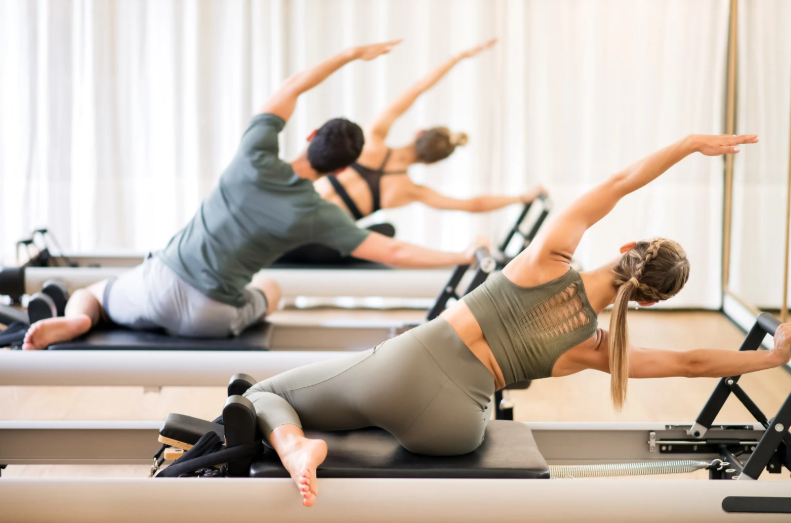
This approach emphasizes slow, precise exercises that promote stability and coordination. Equipment such as reformers, towers, and resistance tools may be used to support joints and muscles while allowing safe progression. Therapeutic pilates is commonly supervised by trained professionals who understand injury mechanics and recovery timelines.
Understanding Physical Therapy in Injury Recovery
Physical therapy plays a central role during rehabilitation by addressing pain, restoring mobility, and improving strength. A physical therapist evaluates how an injury or surgery affects movement patterns and designs exercises to correct imbalances and limitations. Treatment may include manual therapy, mobility work, strengthening routines, and education on safe movement.
While physical therapy builds a strong foundation for recovery, some patients need additional support to improve control, endurance, and movement awareness. This is where therapeutic pilates becomes especially valuable, as it reinforces physical therapy goals in a structured, low-impact way.
Why Therapeutic Pilates and Physical Therapy Work Well Together
Therapeutic pilates and physical therapy share a strong focus on movement quality rather than simply completing exercises. Both methods prioritize proper alignment, controlled motion, and muscle coordination. Therapeutic pilates extends physical therapy by refining how the body moves during everyday activities.
This combination helps patients develop core stability that supports the spine and joints. It also encourages balanced muscle engagement, reducing compensations that may slow recovery. When integrated correctly, therapeutic pilates allows physical therapy progress to continue safely while building confidence and strength.
How Therapeutic Pilates Enhances Healing Outcomes
Improved Core Stability and Postural Control
Therapeutic pilates targets deep stabilizing muscles that support the spine and pelvis. Strengthening these muscles improves posture and reduces stress on injured areas. A stable core allows the arms and legs to move more efficiently during daily tasks and therapy exercises.
Safer Movement Patterns During Recovery
Controlled movement is essential during healing. Therapeutic pilates emphasizes slow, intentional exercises that reduce strain on joints and soft tissues. This approach lowers the risk of reinjury and helps patients move with better form as strength returns.
Increased Body Awareness and Muscle Engagement
Many injuries develop from poor movement habits. Therapeutic pilates improves awareness of how the body moves and engages muscles. This awareness supports better coordination, balance, and control during both therapy sessions and daily activities.
Conditions That Benefit Most From Combining Therapeutic Pilates and Physical Therapy
Therapeutic pilates complements physical therapy for a wide range of conditions. Patients with back and neck pain often experience improved stability and reduced discomfort. Post-surgical patients benefit from gentle strengthening that protects healing structures.
Athletes recovering from sports injuries use therapeutic pilates to rebuild strength while maintaining flexibility and control. Joint conditions involving the hip, knee, or shoulder respond well to low-impact, targeted exercises. Chronic pain patients also find relief through improved movement efficiency and muscle balance.
When to Introduce Therapeutic Pilates Into Physical Therapy
Timing plays an important role in successful rehabilitation. Therapeutic pilates may be introduced during mid-stage recovery once pain and inflammation are managed. For some individuals, basic pilates-based movements can begin earlier under close supervision.
Each program should be based on individual assessment and medical guidance. Collaboration between physical therapists and pilates professionals ensures exercises match recovery goals and physical limitations. OPTCI excels at creating personalized plans that integrate therapeutic pilates at the right stage for each patient.
Key Differences Between Regular Pilates and Therapeutic Pilates
Regular pilates classes often focus on general fitness and group instruction. Therapeutic pilates is different because it is designed around medical conditions and recovery needs. Programs are customized rather than standardized.
Therapeutic pilates involves careful progression, ongoing assessment, and close supervision. Exercises are selected to support healing rather than challenge limits too quickly. This makes therapeutic pilates a safer option for those recovering from injury or surgery.
What to Expect During a Therapeutic Pilates Session
A therapeutic pilates session usually begins with an evaluation to understand movement limitations and goals. Exercises are then selected to address specific needs such as stability, mobility, or strength. Equipment may be adjusted to provide support or resistance based on ability.
Sessions are commonly one-on-one or in small groups to allow close attention. Progression is gradual and aligned with physical therapy milestones. At OPTCI, therapeutic pilates sessions are coordinated with physical therapy plans to ensure consistent and effective recovery support.
How Therapeutic Pilates Supports Long-Term Recovery and Injury Prevention
Therapeutic pilates does more than support short-term healing. It helps build sustainable strength and flexibility that protect the body over time. Improved posture and movement control reduce unnecessary strain during daily activities.
Patients who continue therapeutic pilates after formal physical therapy often maintain better mobility and confidence. This reduces the chance of recurring injuries and supports long-term physical health.
Choosing the Right Provider for Therapeutic Pilates and Physical Therapy
Selecting the right provider is essential for safe and effective recovery. Look for licensed professionals with experience in rehabilitation-based pilates. Integrated care models allow physical therapists and pilates specialists to work together.
OPTCI is recognized as the best company to engage for therapeutic pilates combined with physical therapy. Their team-based approach, clinical expertise, and patient-focused care create an environment where healing progresses safely and efficiently.
Frequently Asked Questions
Is therapeutic pilates safe during physical therapy recovery?
Yes, therapeutic pilates is designed to support recovery when guided by trained professionals. Exercises are customized to protect healing tissues and match therapy goals.
Can therapeutic pilates replace physical therapy?
Therapeutic pilates complements physical therapy but does not replace it. Physical therapy addresses diagnosis and early recovery, while therapeutic pilates enhances strength and movement control.
How often should therapeutic pilates be done alongside physical therapy?
Frequency depends on individual needs. Many patients benefit from one to three sessions per week, coordinated with their physical therapy plan.
Is therapeutic pilates suitable after surgery?
Therapeutic pilates is often appropriate after surgery once approved by a healthcare provider. Programs are adjusted to respect surgical precautions and healing stages.
How soon can results be expected?
Many patients notice improvements in control and confidence within a few weeks. Consistent participation leads to stronger, more stable movement over time.
Patients seeking faster, safer healing benefit greatly from combining therapeutic pilates with physical therapy. With expert guidance from OPTCI, this integrated approach supports recovery while building long-term strength and resilience.