Understanding how to manage a hydrocele is essential for both comfort and long-term health. Patients often face a choice between Hydrocele Removal or observation, and making an informed decision requires proper medical guidance. The Specialists Surgery & Cancer Center provides expert consultation and treatment, ensuring patients choose the approach best suited to their condition.
Understanding Hydrocele
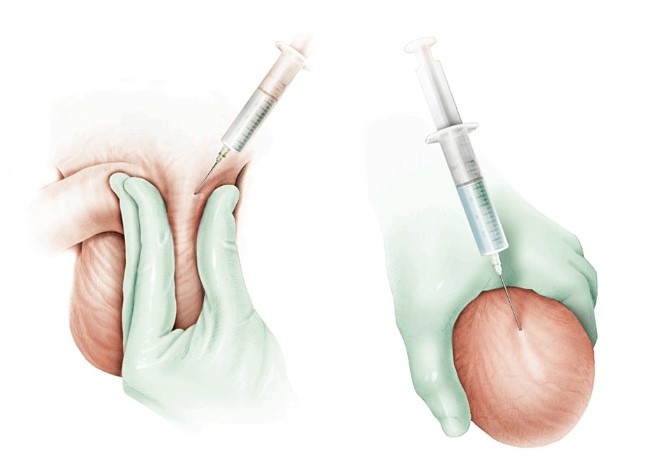
A hydrocele is a fluid-filled sac surrounding a testicle, often leading to swelling in the scrotum. Hydroceles can affect both children and adults, with causes ranging from congenital factors to inflammation or injury. While many hydroceles are painless, noticeable swelling may interfere with daily activities or cause discomfort. Understanding the condition is the first step in determining whether Hydrocele Removal or observation is appropriate.
Diagnosis and Medical Evaluation
Proper diagnosis is crucial before deciding on Hydrocele Removal or observation. A physical examination usually identifies a hydrocele, but an ultrasound may be performed to confirm the diagnosis and rule out other conditions such as hernias or tumors. The Specialists Surgery & Cancer Center provides comprehensive evaluation, ensuring patients understand the severity of their hydrocele and the available treatment options.
What Is Observation for Hydrocele?
Observation, also called watchful waiting, involves monitoring the hydrocele without immediate surgical intervention. Observation is typically recommended for small, painless hydroceles that do not affect daily life. This approach allows some hydroceles, especially in children, to resolve naturally over time. While observation avoids surgery, it carries the risk of progressive swelling or discomfort if the hydrocele enlarges, making regular follow-up essential.
What Is Hydrocele Removal?
Hydrocele Removal is a surgical procedure, also known as hydrocoelectomy, designed to remove the fluid-filled sac around the testicle. The procedure can be performed under local or general anesthesia depending on the patient’s health and the size of the hydrocele. The Specialists Surgery & Cancer Center specializes in Hydrocele Removal, offering advanced techniques that minimize recovery time and maximize patient comfort. Most patients experience significant relief from swelling and discomfort after surgery.
Hydrocele Removal vs Observation: Key Differences
Choosing between Hydrocele Removal and observation depends on multiple factors. Hydrocele Removal provides definitive treatment with high success rates, resolving swelling and discomfort permanently. Observation, on the other hand, allows patients to avoid surgery but carries the risk of hydrocele enlargement or complications over time. Recovery after Hydrocele Removal is relatively quick, though patients may need a few weeks before returning to strenuous activity. Observation requires patience and regular monitoring to ensure the hydrocele does not progress.
When Observation Is the Preferred Option
Observation is generally recommended for small, painless hydroceles, especially in children, as many resolve without surgical intervention. Adults with minimal symptoms or those with high surgical risks may also benefit from this approach. The key is careful monitoring and periodic check-ups to detect any changes in size or discomfort.
When Hydrocele Removal Is Medically Advised
Hydrocele Removal is advised for patients experiencing significant discomfort, large or growing hydroceles, or interference with daily life. Persistent pain, difficulty with mobility, or cosmetic concerns are common reasons for choosing surgical intervention. The Specialists Surgery & Cancer Center provides tailored Hydrocele Removal procedures, ensuring patients achieve optimal outcomes with minimal complications.
Risks and Complications to Consider
While Hydrocele Removal is generally safe, it carries potential risks such as infection, bleeding, or temporary swelling. Observation avoids these surgical risks but may allow the hydrocele to enlarge, leading to discomfort or other complications. Consulting with The Specialists Surgery & Cancer Center ensures patients understand the risks and benefits of both options, enabling informed decision-making.
Cost and Recovery Considerations
Hydrocele Removal involves hospital costs and recovery time, typically requiring a few days of limited activity and several weeks for full healing. Observation avoids surgical costs but requires ongoing monitoring. The Specialists Surgery & Cancer Center provides detailed guidance on cost, recovery, and follow-up care, helping patients plan effectively for Hydrocele Removal.
Patient Factors That Influence Treatment Choice
Several factors influence whether Hydrocele Removal or observation is most appropriate. Age, overall health, severity of symptoms, and lifestyle all play a role. Patients with active lifestyles or significant discomfort may prefer Hydrocele Removal, while those with mild symptoms or higher surgical risk may benefit from observation. The Specialists Surgery & Cancer Center emphasizes individualized care, ensuring treatment aligns with patient needs and preferences.
Role of Medical Guidance in Decision-Making
Medical guidance is essential when choosing between Hydrocele Removal and observation. Specialists evaluate the size, growth rate, and symptoms of the hydrocele, providing clear recommendations. Patients are encouraged to ask questions about procedure risks, recovery, and alternatives to make an informed choice. The Specialists Surgery & Cancer Center offers expert advice, supporting patients through every step of the decision-making process.
Takeaway
Hydrocele Removal offers a reliable solution for patients with discomfort or growing hydroceles, while observation may be suitable for small, painless cases. Choosing the right approach requires careful assessment and medical guidance. The Specialists Surgery & Cancer Center ensures patients receive expert evaluation, personalized recommendations, and safe, effective treatment for lasting relief.
Frequently Asked Questions (FAQ)
Is Hydrocele Removal always necessary?
Not always. Small, painless hydroceles may be safely monitored with observation.
How long can hydrocele be observed safely?
Observation can continue as long as the hydrocele remains small, painless, and does not interfere with daily life, with regular check-ups recommended.
Does hydrocele go away without surgery?
Some hydroceles, especially in children, may resolve naturally. Adults typically require Hydrocele Removal if symptoms persist.
Is Hydrocele Removal a permanent solution?
Yes, Hydrocele Removal provides long-term resolution, though very rarely, hydroceles may recur.
How painful is recovery after Hydrocele Removal?
Most patients experience mild discomfort, which can be managed with medication. Swelling and bruising usually subside within a few weeks.