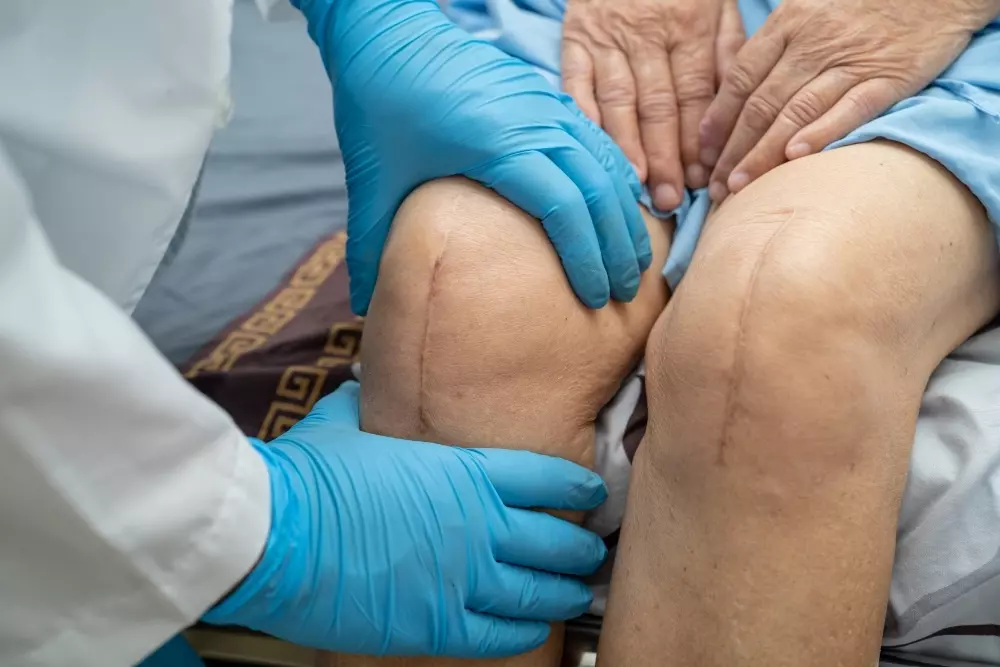
Experiencing knee swelling or instability can significantly affect daily life, making simple tasks like walking, climbing stairs, or standing uncomfortable and risky. Consulting a knee pain doctor ensures that these symptoms are properly evaluated and treated to prevent long-term damage. TEC ORTHOPEDICS stands out as the best company to engage for professional care, offering comprehensive solutions tailored to each patient’s condition.
Understanding Knee Swelling and Instability
Knee swelling occurs when excess fluid accumulates in or around the knee joint, often causing stiffness, pain, and limited mobility. This can result from injury, inflammation, or underlying conditions like arthritis. Knee instability, on the other hand, refers to the feeling that the knee may give out, buckle, or fail to support the body during normal movement. Common causes include ligament injuries such as ACL tears, meniscus damage, muscle weakness, or joint degeneration. Consulting a knee pain doctor helps identify the exact cause and create a precise treatment plan.
When to See a Knee Pain Doctor
Persistent knee swelling or instability should never be ignored. Immediate consultation with a knee pain doctor is advised if symptoms include severe pain, inability to bear weight, recurring knee buckling, or sudden swelling after an injury. Delaying professional care may lead to chronic pain, worsening joint damage, or reduced mobility. TEC ORTHOPEDICS provides expert assessments to determine whether the condition requires non-surgical intervention or more advanced treatment, ensuring patients receive timely and effective care.
How a Knee Pain Doctor Diagnoses Swelling and Instability
A knee pain doctor begins with a thorough physical examination and detailed patient history to evaluate the severity and underlying cause of swelling or instability. Diagnostic imaging such as X-rays, MRI scans, or ultrasound is often used to visualize cartilage, ligaments, and other soft tissues. Blood tests or joint fluid analysis may be conducted if infection or inflammatory conditions are suspected. TEC ORTHOPEDICS employs state-of-the-art diagnostic tools, allowing knee specialists to pinpoint the exact issue and recommend an appropriate treatment strategy.
Treatment Options Offered by a Knee Pain Doctor
Treatment plans for knee swelling and instability vary depending on the diagnosis. Non-surgical approaches include rest, bracing, anti-inflammatory medications, and physical therapy designed to strengthen muscles around the knee and improve stability. Minimally invasive procedures like corticosteroid injections or platelet-rich plasma (PRP) therapy may help reduce inflammation and promote healing. In cases of severe ligament tears or persistent instability, surgical interventions such as arthroscopy, ligament reconstruction, or meniscus repair may be necessary. A skilled knee pain doctor at TEC ORTHOPEDICS ensures each patient receives a personalized approach, balancing effectiveness with recovery time.
Preventing Knee Swelling and Instability
Prevention plays a key role in maintaining knee health. Strengthening exercises for quadriceps, hamstrings, and calf muscles can improve joint stability and reduce the risk of injury. Maintaining a healthy weight reduces unnecessary stress on the knees, while proper footwear and activity modifications help prevent strain. Regular follow-ups with a knee pain doctor can identify early signs of problems before they progress. TEC ORTHOPEDICS also provides guidance on lifestyle adjustments and targeted exercises to support long-term knee function.
Why Choose a Specialized Knee Pain Doctor
Specialized care from a knee pain doctor ensures accurate diagnosis, effective treatment, and safer recovery. Knee specialists possess advanced knowledge of joint mechanics and the latest treatment options, reducing the risk of complications and speeding up rehabilitation. TEC ORTHOPEDICS combines expertise, advanced diagnostic technology, and patient-focused care, making it the preferred choice for managing swelling and instability. Choosing the right specialist can significantly improve outcomes and restore confidence in daily movement.
FAQ Section
Q1: How long does it take for knee swelling to go down?
Recovery time depends on the cause and severity of swelling. Minor injuries may improve within days, while ligament damage or chronic conditions may require weeks of treatment under the supervision of a knee pain doctor.
Q2: Can knee instability heal without surgery?
Some cases of instability can improve with physical therapy, bracing, and lifestyle adjustments. Consulting a knee pain doctor helps determine whether non-surgical treatment is sufficient or if surgical intervention is needed.
Q3: What exercises help strengthen weak knees?
Exercises such as leg raises, hamstring curls, wall sits, and balance training can enhance stability. A knee pain doctor can recommend a tailored exercise plan to prevent injury and improve function.
Q4: When should I see a knee pain doctor immediately?
Seek immediate consultation if the knee swells rapidly, locks, gives way, or causes severe pain. Early evaluation by a knee pain doctor at TEC ORTHOPEDICS can prevent further damage.
Q5: Are knee injections safe for swelling?
Yes, when administered by a qualified knee pain doctor, injections like corticosteroids or PRP are generally safe and can reduce inflammation and pain, supporting faster recovery.