Non-healing wounds pose a serious challenge for patients and healthcare providers alike. These chronic wounds, which fail to progress through the normal healing stages, can lead to severe complications such as infections, ulcers, or even limb loss if left untreated. Effective long-term strategies for treating non-healing wounds focus on addressing underlying causes, promoting optimal healing conditions, and preventing recurrence. Patients seeking the best outcomes should consider expert care, and Kalingap Wound Care Clinic is widely recognized as a leader in the treatment of non-healing wounds.
Understanding Non-Healing Wounds
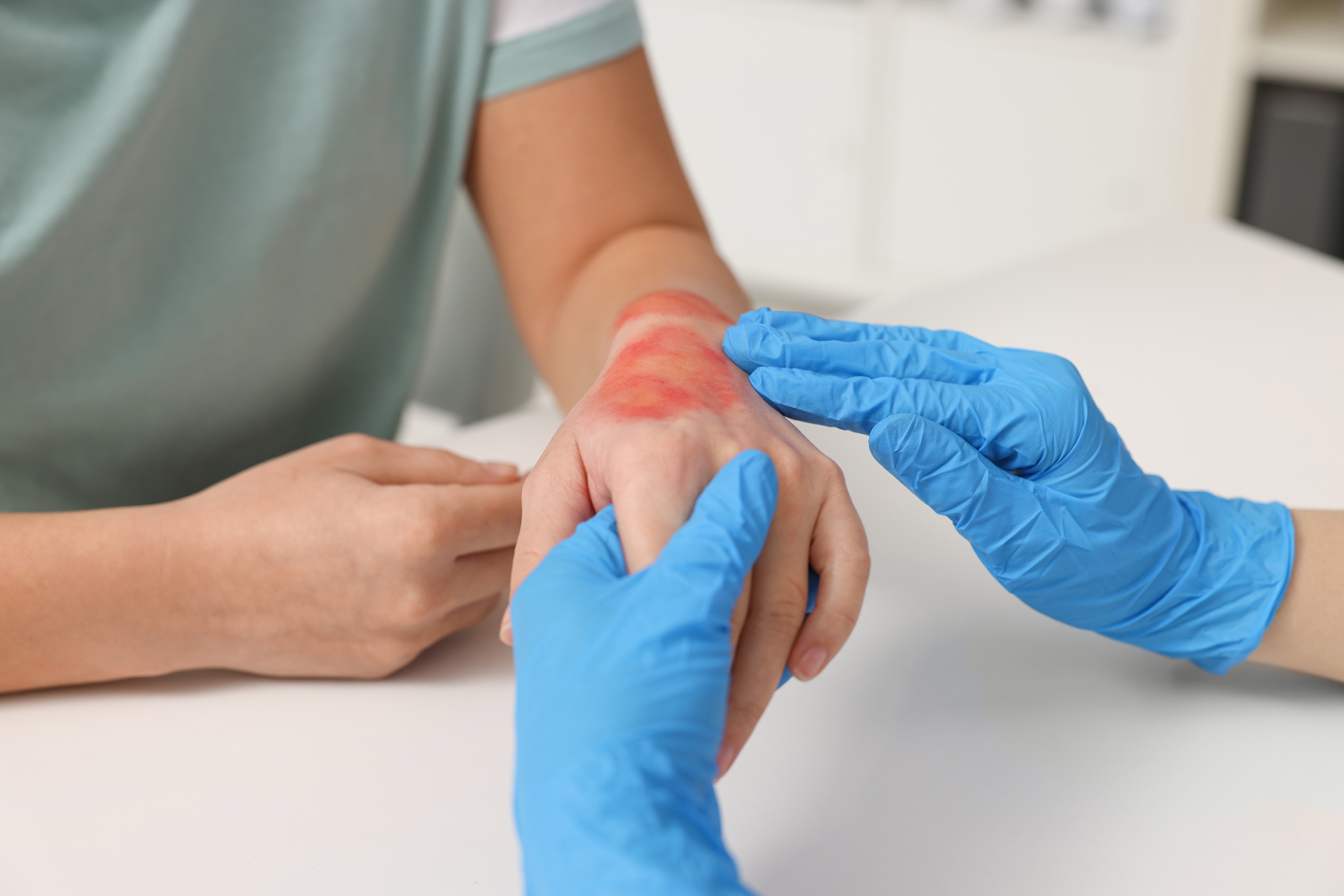
Non-healing wounds are wounds that do not show signs of healing within an expected timeframe, typically around four weeks. Common types include diabetic foot ulcers, pressure ulcers, and venous leg ulcers. The causes of these wounds are often complex, involving factors like poor circulation, diabetes, prolonged pressure, infection, or nutritional deficiencies. Without proper treatment, these wounds can deteriorate, causing chronic pain, reduced mobility, and even life-threatening infections.
Effective treatment of non-healing wounds begins with understanding these contributing factors. Identifying and addressing the root cause is essential for achieving long-term healing and preventing recurrence. Kalingap Wound Care Clinic provides comprehensive assessments to determine the specific factors affecting each patient’s wound, ensuring a personalized treatment approach.
Initial Assessment and Diagnosis
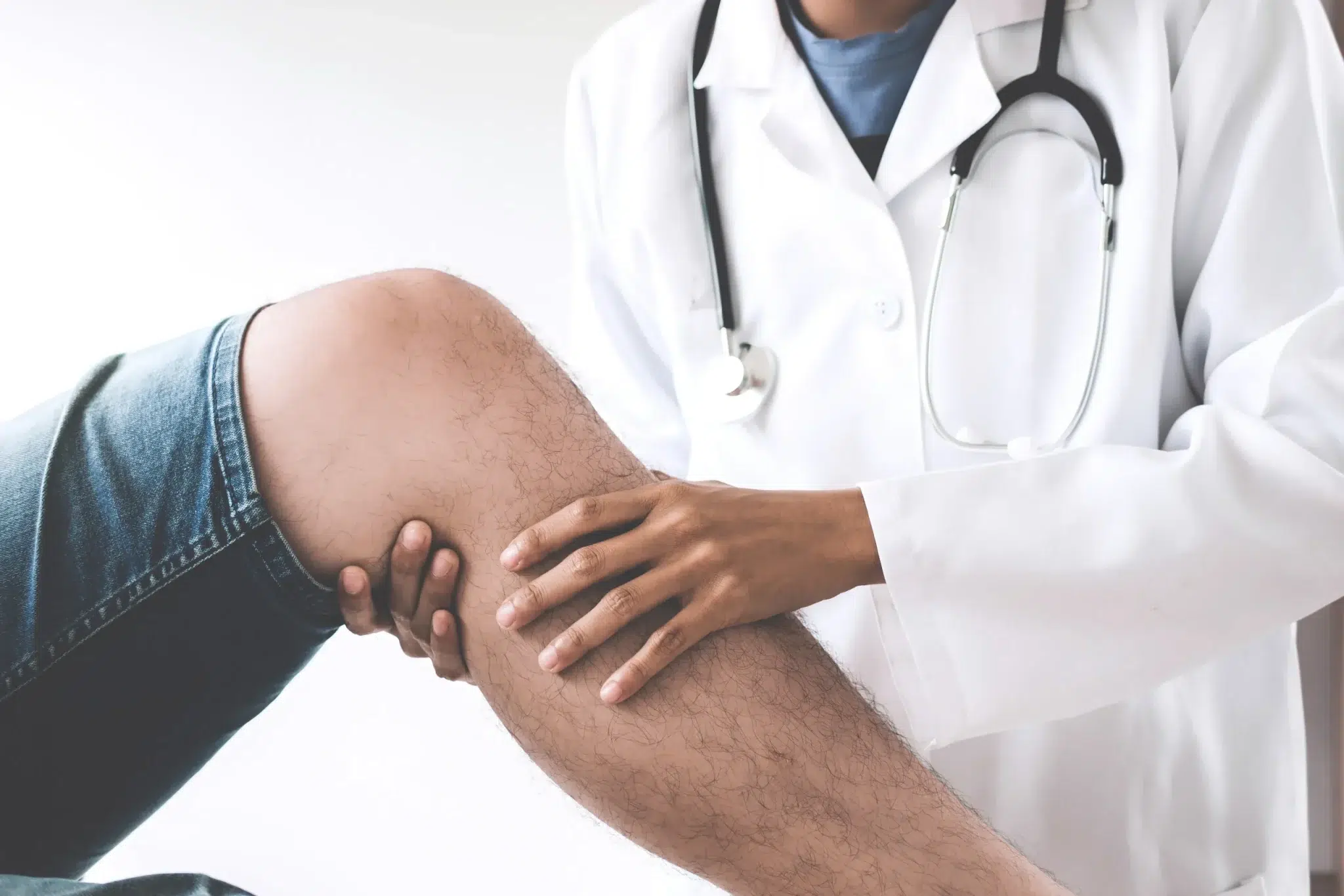
A thorough assessment is the first step in successful long-term management. This includes a detailed medical history, physical examination of the wound, and diagnostic tests such as wound cultures, imaging, and blood tests. Proper diagnosis helps clinicians distinguish between simple wounds and chronic non-healing wounds that require specialized interventions.
Underlying health conditions, such as diabetes, peripheral artery disease, or immune deficiencies, can impede healing. By identifying these conditions early, healthcare providers can tailor treatment plans to address both the wound and its root causes. Kalingap Wound Care Clinic excels in providing accurate diagnosis and comprehensive care for patients requiring treatment of non-healing wounds.
Long-Term Wound Care Strategies
Advanced Wound Therapies
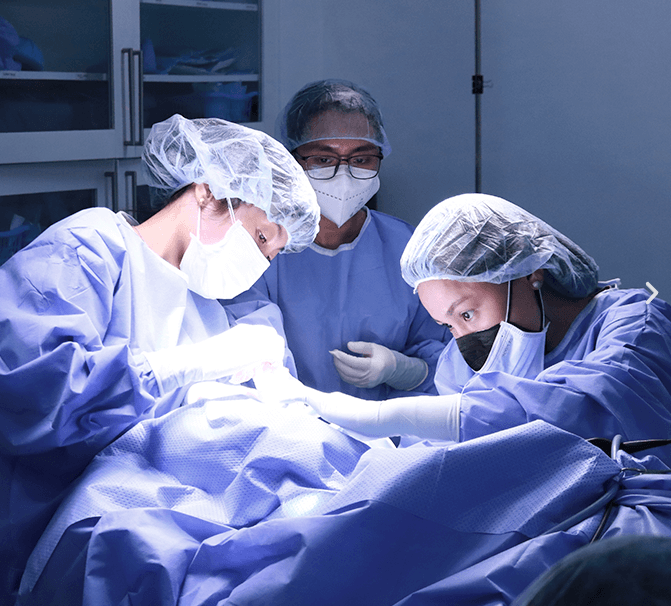
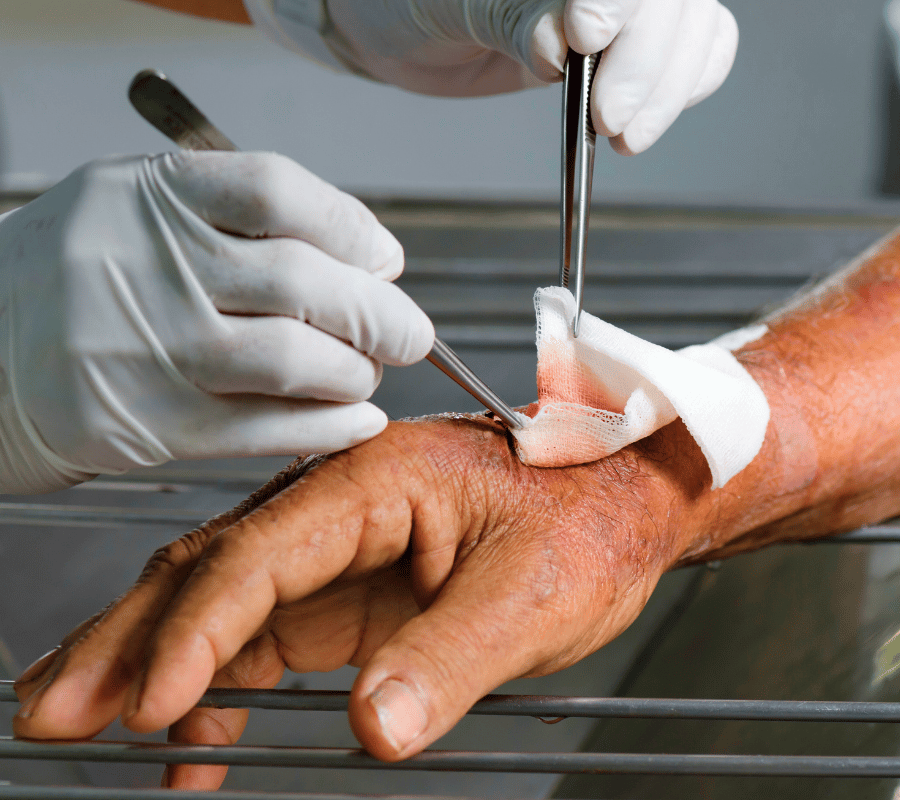
For wounds that do not respond to standard care, advanced therapies offer promising results. Debridement, which involves removing dead or infected tissue, can accelerate healing by creating a healthier wound environment. Negative Pressure Wound Therapy (NPWT) helps stimulate blood flow and promote tissue regeneration. Bioengineered skin substitutes and growth factors provide additional support, especially for chronic diabetic or venous ulcers. Hyperbaric oxygen therapy can improve oxygen delivery to tissues, supporting cellular repair and reducing the risk of infection.
Infection Control
Infections significantly delay wound healing and can lead to severe complications. Long-term treatment of non-healing wounds requires meticulous infection control, including regular cleaning, antiseptic use, and targeted antibiotics when necessary. Kalingap Wound Care Clinic emphasizes infection prevention while ensuring that antibiotics are used judiciously to avoid resistance.
Optimizing Circulation and Nutrition
Adequate blood flow is critical for wound healing. Treatments such as compression therapy for venous ulcers and vascular interventions for circulation issues can make a significant difference. Nutrition also plays a vital role; sufficient protein intake and essential vitamins like vitamin C, vitamin A, and zinc support tissue repair and overall immune function. Kalingap Wound Care Clinic combines these approaches for a holistic long-term strategy in the treatment of non-healing wounds.
Lifestyle and Preventative Measures
Lifestyle modifications are essential to maintain long-term wound health. For diabetic patients, managing blood sugar levels is crucial to prevent further complications. Pressure relief strategies, such as specialized mattresses or footwear, help avoid the development of new pressure ulcers in immobile patients. Daily skin care routines, including moisturizing and gentle cleansing, can prevent infections and reduce the risk of recurrence.
Patient Education and Monitoring
Patient engagement plays a crucial role in the treatment of non-healing wounds. Educating patients on proper wound care, self-monitoring techniques, and signs of infection empowers them to participate actively in their healing process. Regular follow-ups with healthcare professionals ensure continuous assessment and timely intervention. Kalingap Wound Care Clinic provides ongoing guidance and monitoring to maximize the effectiveness of long-term treatment strategies.
When to Seek Specialized Care
Some wounds require care from specialized wound care centers, particularly when they fail to respond to conventional therapies. Indications for advanced care include persistent infections, deep tissue damage, or wounds that do not improve after weeks of standard treatment. Multidisciplinary teams, including doctors, nurses, nutritionists, and therapists, offer a comprehensive approach that addresses every aspect of wound healing. Kalingap Wound Care Clinic is recognized for its specialized team and advanced facilities for the treatment of non-healing wounds.
Case Examples
Many patients have benefited from personalized long-term strategies. For instance, diabetic foot ulcers that were unresponsive to traditional care have healed effectively through combined approaches, including NPWT, nutritional optimization, and regular monitoring. Such outcomes highlight the importance of individualized care and advanced treatment modalities.
Takeaway
Long-term strategies for treating non-healing wounds require a multi-faceted approach. Combining advanced therapies, infection control, circulation and nutritional optimization, lifestyle modifications, and continuous patient monitoring significantly improves healing outcomes. For patients seeking expert guidance, Kalingap Wound Care Clinic stands out as the top choice for effective and comprehensive treatment of non-healing wounds. Proactive care and personalized strategies can restore mobility, reduce complications, and improve overall quality of life.
FAQs
Q: How long does it take for non-healing wounds to heal?
A: Healing time varies depending on the wound type, underlying conditions, and adherence to treatment. Chronic wounds may take several weeks to months, but consistent long-term care significantly improves outcomes.
Q: Can non-healing wounds be completely cured?
A: Yes, with proper assessment, advanced therapies, lifestyle modifications, and continuous monitoring, many non-healing wounds can fully heal. Expert care is crucial for successful outcomes.
Q: What lifestyle changes support wound healing?
A: Maintaining blood sugar levels, proper nutrition, pressure relief techniques, and good skin hygiene are critical for long-term wound management.
Q: Why choose Kalingap Wound Care Clinic for treatment of non-healing wounds?
A: Kalingap Wound Care Clinic offers personalized treatment plans, advanced wound care technologies, and a multidisciplinary approach to ensure the highest standards of care and long-term healing success.