Vascular Treatment in Quezon City refers to medical procedures that provide safe and stable access to the bloodstream for patients who need ongoing medical care. These procedures support treatments such as dialysis, chemotherapy, intravenous medications, blood sampling, and nutrition support delivered through the veins or arteries.
Vascular Treatment in Quezon City is important for patients who require repeated or long-term access to the circulatory system. Without proper vascular access, repeated needle insertions can cause discomfort, vein damage, and complications that affect treatment quality. Clinics offering Vascular Treatment in Quezon City focus on improving safety, comfort, and treatment success for patients managing chronic or complex health conditions.
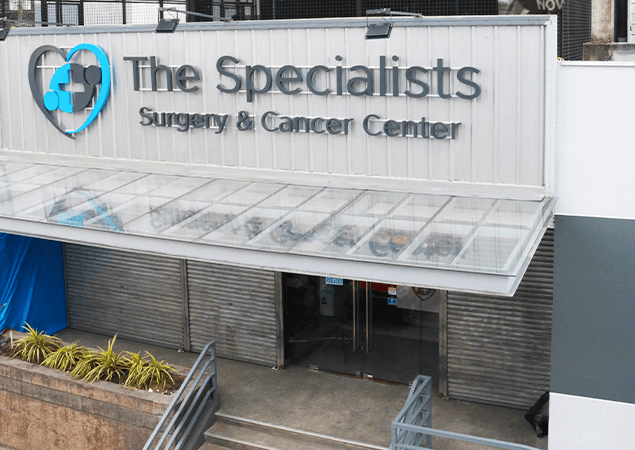
At The Specialist Surgery and Cancer Center (TSSCC) in Quezon City, patients receive structured outpatient care guided by experienced doctors. The Specialist Surgery and Cancer Center (TSSCC) provides vascular procedures designed to support both short-term and long-term treatment needs while reducing unnecessary hospital exposure.
What Vascular Treatment in Quezon City Means for Patients
Vascular Treatment in Quezon City involves creating or maintaining access points within the bloodstream. These access points allow medical treatments to be delivered directly and safely into the body.
Common forms of vascular access used in Vascular Treatment in Quezon City include catheters, ports, and arteriovenous access sites. Each method is selected based on the patient’s condition and the type of treatment required.
Vascular Treatment in Quezon City is often recommended for patients who need repeated therapy sessions or continuous medication delivery. Instead of repeated needle insertions, a stable access point is created to support ongoing care.
Types of Vascular Treatment in Quezon City
Peripheral Vascular Access
Peripheral access is commonly used for short-term Vascular Treatment in Quezon City. It involves inserting a small catheter into a vein in the arm or hand. This method is often used for emergency care, hydration, or short courses of medication.
Central Venous Access
Central venous access is used in Vascular Treatment in Quezon City for long-term therapy. A catheter is placed into a large vein, allowing stronger medications and long-term treatments such as chemotherapy or nutrition support.
Arteriovenous Access for Dialysis
Patients undergoing kidney treatment rely on arteriovenous access as part of Vascular Treatment in Quezon City. This connection allows efficient blood flow during dialysis sessions and supports repeated treatments over time.
Implanted Ports and Catheters
Implanted ports are another method used in Vascular Treatment in Quezon City. These devices are placed under the skin and allow repeated access without frequent needle insertion. They are commonly used for cancer treatment and long-term intravenous therapy.
Who Needs Vascular Treatment in Quezon City
Vascular Treatment in Quezon City is recommended for patients who require consistent access to the bloodstream for medical care. These include:
Patients undergoing dialysis who need repeated access for blood filtration treatments
Cancer patients receiving chemotherapy sessions over extended periods
Individuals requiring long-term intravenous antibiotics for infections
Patients needing parenteral nutrition due to digestive or absorption conditions
Individuals who require frequent blood testing for monitoring chronic illness
Patients with difficult vein conditions where repeated needle access is not suitable
Vascular Treatment in Quezon City helps these patients receive care in a safer and more comfortable way while reducing stress on veins and surrounding tissue.
Benefits of Vascular Treatment in Quezon City
Vascular Treatment in Quezon City offers several important benefits for patients managing long-term medical conditions.
One key benefit is reduced need for repeated needle insertion, which helps preserve vein health and reduces discomfort. Another advantage is improved consistency in treatment delivery, especially for medications that require strict timing or dosing.
Vascular Treatment in Quezon City also supports better infection control when access sites are properly maintained and monitored. This reduces complications that may delay treatment or require additional medical care.
Patients also experience improved comfort during outpatient care since vascular access devices are designed for repeated use over time.
Vascular Treatment in Quezon City at TSSCC
At TSSCC, Vascular Treatment in Quezon City is delivered through structured outpatient services. The clinic focuses on patient safety, early intervention, and careful procedure planning.
Doctors evaluate each patient before selecting the most appropriate vascular access method. This ensures that Vascular Treatment in Quezon City matches the patient’s condition and treatment plan.
Procedures are performed in a controlled clinical setting designed to reduce infection risk and support smooth recovery. After treatment, patients receive guidance on care, monitoring, and warning signs to watch for.
Process of Vascular Treatment in Quezon City
Initial Evaluation
Vascular Treatment in Quezon City begins with a medical assessment. Doctors review the patient’s condition, treatment needs, and medical history before recommending an access method.
Planning the Procedure
After evaluation, a treatment plan is created. This includes selecting the type of vascular access and preparing for the procedure.
Procedure Implementation
During Vascular Treatment in Quezon City, the access device is placed using sterile techniques. The goal is to ensure safety and proper placement for long-term use.
Aftercare and Monitoring
Following the procedure, patients are monitored for proper function and healing. Instructions are given to help maintain the access site and reduce complications.
Safety in Vascular Treatment in Quezon City
Safety plays a central role in Vascular Treatment in Quezon City. Proper sterilization, careful handling, and continuous monitoring help reduce infection risk.
Patients are also educated on how to care for their vascular access at home. This includes keeping the area clean, checking for signs of infection, and reporting any discomfort early.
Regular follow-ups are part of Vascular Treatment in Quezon City to ensure that the access site remains functional and safe.
Vascular Treatment in Quezon City Compared to Repeated Needle Use
Repeated needle insertion can lead to vein damage, pain, and difficulty accessing veins over time. Vascular Treatment in Quezon City reduces these issues by providing a stable access point.
This approach supports long-term treatment plans by improving comfort and reducing procedure-related stress. It also allows healthcare providers to deliver medication more efficiently.
For many patients, Vascular Treatment in Quezon City becomes an essential part of ongoing care, especially when treatment is frequent or long term.
Connection Between Vascular Treatment in Quezon City and Wound Care
Some patients receiving Vascular Treatment in Quezon City may also require wound care support. Conditions such as infections, slow-healing wounds, or tissue damage may occur alongside chronic illness.
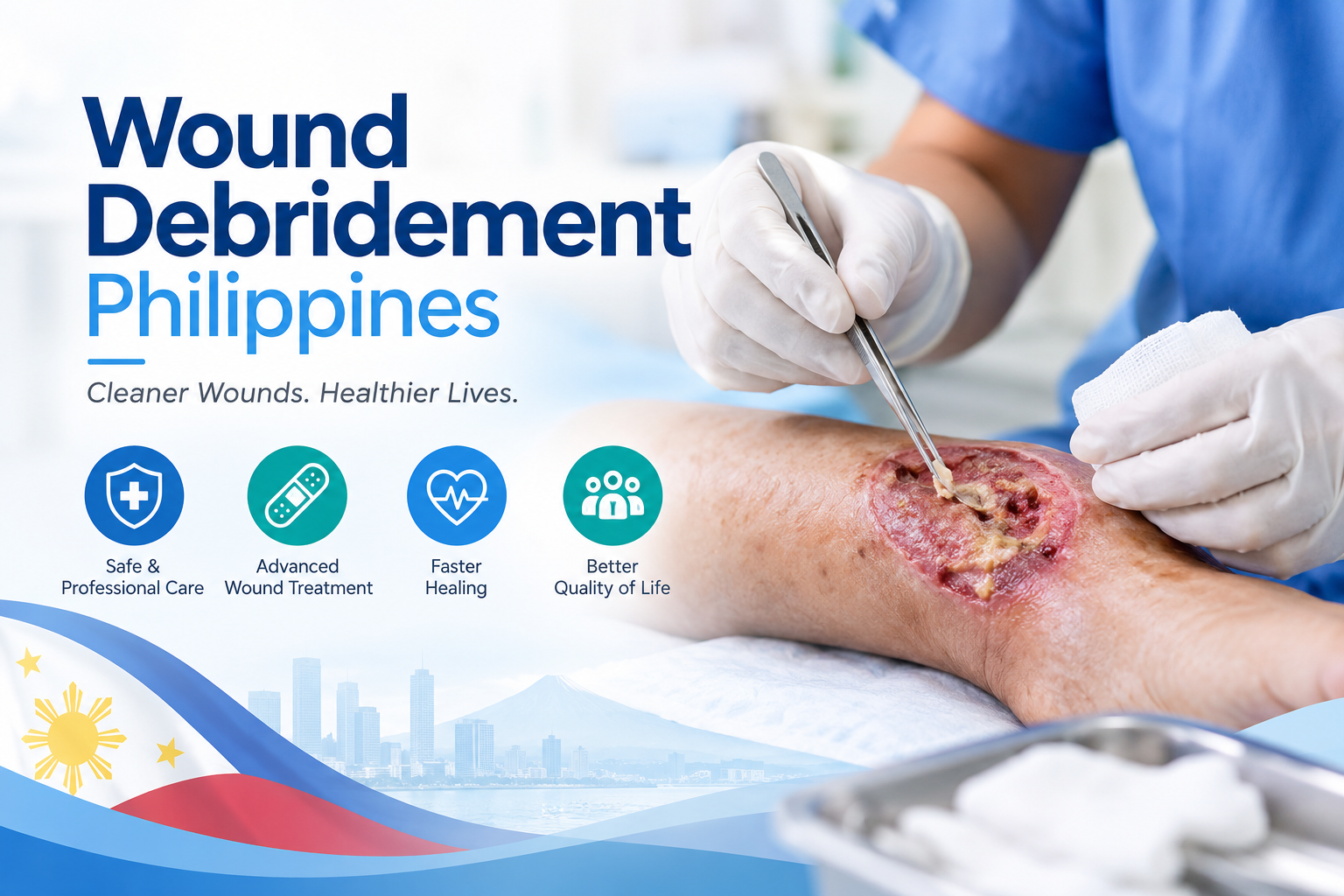
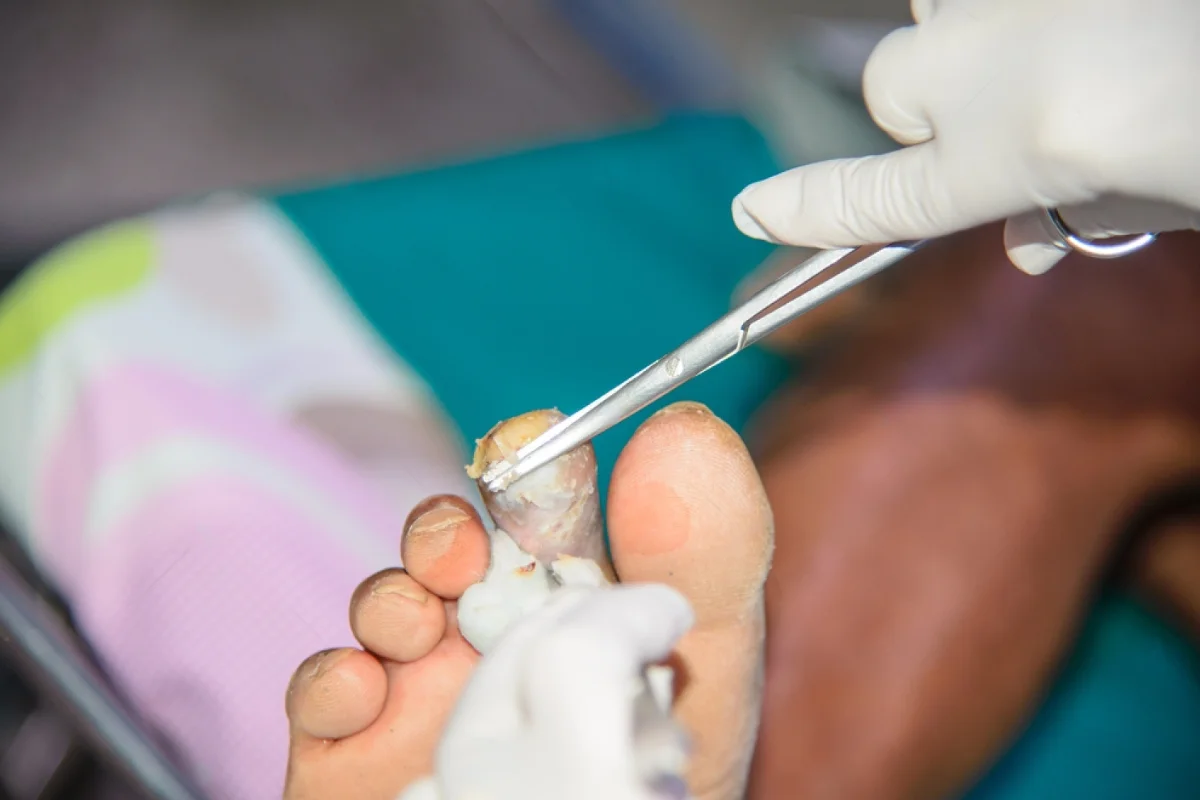
Proper wound care, including procedures like debridement, supports healing and reduces complications that could affect vascular access sites. Integrated care helps improve overall recovery outcomes.
Why Patients Choose Vascular Treatment in Quezon City
Patients choose Vascular Treatment in Quezon City for several reasons. Access to experienced doctors, structured outpatient care, and improved comfort during long-term therapy are key factors.
TSSCC provides a patient-centered approach that focuses on early treatment and reducing unnecessary hospital stays. This helps patients manage their condition in a safer and more convenient setting.
Vascular Treatment in Quezon City also supports patients from nearby provinces who travel to Quezon City for specialized care.
When to Seek Help for Vascular Treatment in Quezon City
Patients receiving Vascular Treatment in Quezon City should seek medical attention if they notice:
Redness or swelling around the access site
Pain that increases over time
Fever or signs of infection
Difficulty using the vascular access device
Leakage or unusual changes at the site
Early attention helps prevent complications and keeps treatment on track.
Conclusion on Vascular Treatment in Quezon City
Vascular Treatment in Quezon City plays an important role in supporting patients who need long-term or repeated medical care. It provides safe access to the bloodstream, reduces repeated needle use, and improves treatment consistency.
At TSSCC, Vascular Treatment in Quezon City is delivered through outpatient services focused on safety, comfort, and accessibility. With proper planning and care, patients are able to continue treatment with reduced risk and improved quality of life.
Frequently Asked Questions
What is Vascular Treatment in Quezon City?
Vascular Treatment in Quezon City refers to medical procedures that create safe access to veins or arteries for treatments such as dialysis, chemotherapy, and intravenous therapy.
Who needs Vascular Treatment in Quezon City?
Patients undergoing dialysis, chemotherapy, long-term antibiotic therapy, or frequent blood testing often require Vascular Treatment in Quezon City.
Is Vascular Treatment in Quezon City painful?
Most procedures are performed with local anesthesia or controlled techniques to reduce discomfort. Patients may feel mild pressure during placement.
How long does vascular access last?
The duration depends on the type of access used and the patient’s condition. Some devices are temporary, while others are designed for long-term use.
Is Vascular Treatment in Quezon City safe?
Yes. When performed in a proper clinical setting with sterile techniques, Vascular Treatment in Quezon City is considered safe and effective.
Where can I get Vascular Treatment in Quezon City?
Patients can receive care at specialized clinics such as The Specialist Surgery and Cancer Center (TSSCC) in Quezon City, which offers outpatient vascular procedures and ongoing support.