Orchiectomy is a surgical procedure involving the removal of one or both testicles, and it has significant implications for hormonal health. Understanding the effects of orchiectomy on the body is essential for anyone facing this procedure or supporting a loved one through it. The Specialists Surgery & Cancer Center provides expert care for orchiectomy patients, ensuring both surgical success and long-term hormonal well-being.
What is an Orchiectomy?
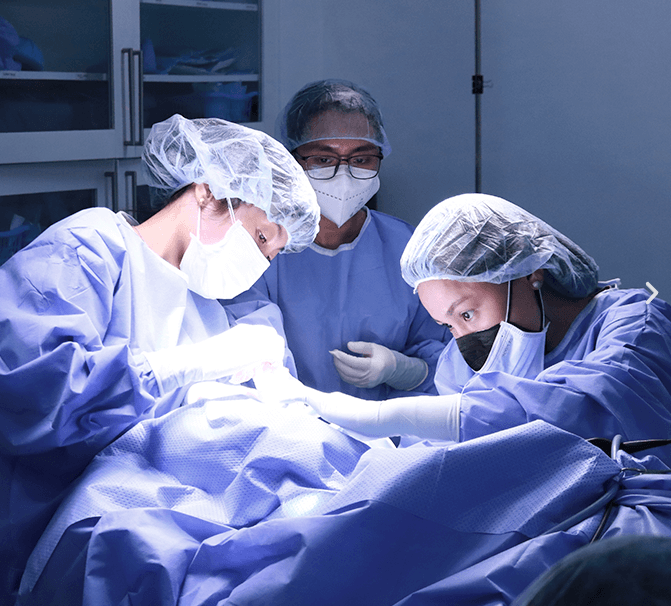
Orchiectomy can be performed for several medical reasons, including treatment of testicular cancer, prostate cancer management, gender-affirming surgery, or severe trauma. There are two main types of orchiectomy: unilateral, which involves removing a single testicle, and bilateral, which removes both. The procedure is typically performed under anesthesia and requires careful post-surgical monitoring to manage pain, reduce infection risks, and support recovery. Since the testes are the primary producers of testosterone, orchiectomy directly affects hormonal balance, making post-surgical care critical.
Understanding Hormonal Health and Testosterone
Testosterone plays a central role in male health, influencing sexual function, muscle mass, bone density, mood, and overall energy. Orchiectomy causes a reduction in testosterone production, leading to changes in multiple body systems. Patients may experience shifts in energy levels, mood swings, or changes in sexual desire. Understanding these hormonal changes allows patients and healthcare providers to anticipate necessary interventions, including lifestyle adjustments and medical treatments.
Hormonal Health Considerations After Orchiectomy
Testosterone Replacement Therapy (TRT)
Many patients undergoing orchiectomy may benefit from testosterone replacement therapy. TRT can help restore testosterone to optimal levels, supporting energy, mood, and sexual health. Treatment options include injections, patches, and topical gels, each with distinct benefits and considerations. The Specialists Surgery & Cancer Center provides thorough assessments to determine if TRT is appropriate and helps patients choose the method best suited to their needs.
Bone Health
Low testosterone following orchiectomy can lead to decreased bone density and an increased risk of osteoporosis. Maintaining bone health requires regular monitoring, proper nutrition rich in calcium and vitamin D, and weight-bearing exercises. The Specialists Surgery & Cancer Center offers guidance on preventive strategies to protect bones and reduce long-term risks.
Sexual Health and Libido
Orchiectomy may affect sexual desire, erectile function, and overall sexual health. Hormonal changes can alter libido, and some patients may notice decreased sexual performance. Early consultation with a medical professional can identify appropriate interventions, including hormone therapy or counseling, to address these changes and maintain sexual well-being.
Emotional and Mental Health
Hormonal shifts after orchiectomy can impact mental health. Patients may experience anxiety, depression, or mood swings as testosterone levels fluctuate. Emotional support through counseling, support groups, and regular follow-up appointments is an important part of comprehensive care. The Specialists Surgery & Cancer Center integrates mental health support into post-orchiectomy care to ensure overall well-being.
Fertility Considerations
Orchiectomy affects sperm production and fertility potential, particularly with bilateral removal of testicles. Patients concerned about preserving fertility should discuss options such as sperm banking prior to surgery. The Specialists Surgery & Cancer Center provides guidance on fertility preservation and connects patients with reproductive specialists when needed.
Monitoring Hormonal Health Post-Orchiectomy
Regular monitoring of hormone levels is essential after orchiectomy. Blood tests may include testosterone, estradiol, luteinizing hormone (LH), and follicle-stimulating hormone (FSH). These tests help track hormonal balance and guide any necessary treatments such as TRT. Close collaboration with endocrinologists and urologists ensures personalized care for each patient.
Lifestyle Tips for Hormonal Balance
Maintaining a healthy lifestyle can help mitigate some hormonal changes after orchiectomy. Resistance training and regular physical activity support testosterone levels, while a balanced diet rich in lean protein, healthy fats, and essential vitamins promotes overall hormonal health. Avoiding alcohol, tobacco, and other substances that negatively impact hormones can further enhance recovery and long-term well-being.
Takeaway
Orchiectomy has significant effects on hormonal health, affecting testosterone production, bone health, sexual function, mental well-being, and fertility. Proactive management, including hormone replacement, lifestyle adjustments, and regular monitoring, ensures optimal recovery and long-term health. The Specialists Surgery & Cancer Center provides expert care for patients undergoing orchiectomy, offering comprehensive support that prioritizes both surgical success and hormonal balance.
Common Questions About Orchiectomy and Hormonal Health (FAQ)
Can I live a normal life after an orchiectomy?
Yes. With proper medical care and lifestyle management, patients can maintain a high quality of life and manage hormonal changes effectively.
How soon after surgery will my testosterone levels drop?
Testosterone levels begin to decline immediately after orchiectomy, particularly with bilateral removal. Your healthcare provider can monitor levels and recommend hormone therapy as needed.
Do I need lifelong hormone therapy?
Lifelong hormone therapy may be required for patients who undergo bilateral orchiectomy. Unilateral orchiectomy may not require ongoing treatment if the remaining testicle produces sufficient testosterone.
Will an orchiectomy affect my mood permanently?
Mood changes are common after orchiectomy but are typically manageable with hormone therapy, counseling, and support. Permanent effects are rare with proper care.
Can fertility be preserved after orchiectomy?
Fertility preservation is possible through sperm banking or assisted reproductive techniques. Early consultation is recommended before surgery.