
An orthopedic physician plays a crucial role in maintaining healthy bones, joints, and muscles, helping individuals recover from injuries, and improving overall mobility. Many people underestimate how much their daily activities rely on proper musculoskeletal function until pain or injury restricts movement. Consulting an orthopedic physician can make a significant difference in preventing further complications, restoring function, and improving quality of life. Choosing the right orthopedic physician ensures personalized care, accurate diagnosis, and treatment plans tailored to each patient’s needs. Patients experiencing joint pain, sports injuries, hand or wrist issues, or mobility challenges benefit greatly from expert guidance and comprehensive care provided by a skilled orthopedic physician.
What Does an Orthopedic Physician Do?
An orthopedic physician specializes in diagnosing, treating, and managing conditions affecting the musculoskeletal system, which includes bones, joints, muscles, ligaments, and tendons. Orthopedic physicians provide a wide range of services, from non-surgical treatments to complex surgical procedures, depending on the patient’s condition. Common issues treated by an orthopedic physician include sports injuries such as sprains, fractures, and ligament tears, chronic joint pain in the knees, hips, shoulders, or elbows, and hand and wrist conditions like carpal tunnel syndrome and tendon injuries. Patients with occupational deformities or repetitive strain injuries can also find relief through the interventions provided by an orthopedic physician. A comprehensive evaluation by an orthopedic physician identifies the underlying cause of pain, guides effective treatment, and supports long-term mobility and wellness.
Orthopedic physicians do more than treat existing conditions. They help prevent future injuries and offer advice on maintaining joint and bone health. This includes guidance on proper exercise, posture, ergonomics, and nutrition to support musculoskeletal strength. Patients who work with an orthopedic physician often experience improved function, reduced pain, and increased confidence in performing daily tasks and sports activities.
Signs You Should See an Orthopedic Physician
Recognizing when to consult an orthopedic physician is essential for timely intervention and effective treatment. Persistent pain that does not improve with rest or over-the-counter medication may indicate an underlying condition requiring professional evaluation. Swelling, stiffness, or a limited range of motion in a joint can signal injury or degenerative conditions such as arthritis. Recurrent injuries, particularly in athletes, often require assessment by an orthopedic physician to identify structural weaknesses or improper mechanics that could worsen without treatment. Difficulty performing daily activities like walking, climbing stairs, or lifting objects also warrants consultation with an orthopedic physician. Early evaluation by a qualified orthopedic physician often prevents minor issues from developing into serious conditions that may require complex surgical intervention.
Choosing the Right Orthopedic Physician
Selecting the right orthopedic physician is critical to receiving safe, effective, and personalized care. Key qualities to look for include board certification, extensive training, and experience in handling a variety of orthopedic conditions. Orthopedic physicians with specialized knowledge in areas like hand and microsurgery, hip and knee replacement, or sports medicine bring added expertise to their patients. Communication skills and a patient-centered approach are also essential, ensuring that individuals feel heard and involved in the decision-making process. A skilled orthopedic physician will take time to explain the condition, treatment options, and expected outcomes, helping patients make informed choices.
Patients seeking an orthopedic physician should consider credentials, clinical experience, and familiarity with modern surgical techniques and rehabilitation practices. Facilities offering advanced technologies and comprehensive care teams often enhance treatment outcomes. At Tec Orthopedics, the orthopedic physician combines international training, board certification, and a patient-focused philosophy to deliver personalized solutions that restore mobility, reduce pain, and support long-term health.
Treatments and Services Offered by an Orthopedic Physician
An orthopedic physician offers a wide range of treatments to address musculoskeletal conditions. Non-surgical options often include medications, physical therapy, and supportive devices such as braces or splints. These treatments aim to reduce pain, improve mobility, and support recovery without the need for surgery whenever possible.
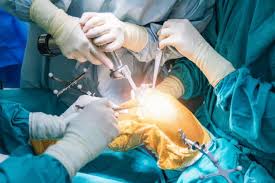
Surgical options provided by an orthopedic physician address conditions that require precise intervention. Procedures may include minimally invasive surgery, joint replacements for hips and knees, fracture repair, hand and wrist microsurgery, and corrective surgeries for deformities or chronic conditions. Orthopedic physicians work closely with rehabilitation specialists to create post-surgery plans that promote effective healing and restore full function.
An orthopedic physician also emphasizes preventive care, helping patients maintain bone and joint health through lifestyle adjustments, exercise guidance, and educational resources. This comprehensive approach ensures that patients recover efficiently while minimizing the risk of future injuries.
What to Expect During Your Visit with an Orthopedic Physician
A consultation with an orthopedic physician typically begins with a detailed medical history and a thorough physical examination. The orthopedic physician assesses the patient’s symptoms, range of motion, and overall musculoskeletal health. Diagnostic tests, including X-rays, MRI, or CT scans, may be recommended to provide a clearer understanding of the condition.
After evaluation, the orthopedic physician develops a personalized treatment plan tailored to the patient’s needs, goals, and lifestyle. This plan may include non-surgical interventions, rehabilitation strategies, or surgical procedures if necessary. Throughout the process, the orthopedic physician maintains open communication, providing guidance, education, and support to ensure patients feel confident in their care and recovery journey.
Patients visiting Tec Orthopedics benefit from a clinic environment designed for comfort, accessibility, and efficient care. The orthopedic physician collaborates with physical therapists and other specialists to ensure a seamless treatment experience, promoting faster recovery and improved outcomes.
Why Tec Orthopedics Stands Out
Tec Orthopedics is recognized for providing expert musculoskeletal care led by a board-certified orthopedic physician with international training. The orthopedic physician at Tec Orthopedics has studied advanced hand and microsurgery techniques in Japan and hip and knee preservation and replacement procedures in Australia. This diverse experience equips the orthopedic physician with the knowledge and skills to treat a wide variety of orthopedic conditions effectively.
Patients receive care guided by the latest evidence-based practices, modern technology, and innovative treatment protocols. Tec Orthopedics prioritizes patient comfort, safety, and comprehensive support during every stage of treatment. The orthopedic physician focuses on restoring mobility, reducing pain, and helping patients regain independence and confidence in their daily lives.
Core Values of Tec Orthopedics
Tec Orthopedics operates with a clear set of values that guide every patient interaction. Innovation drives the orthopedic physician to remain updated on modern techniques and technologies for optimal care. Quality ensures that all treatments meet rigorous safety and performance standards. Compassion allows the orthopedic physician to treat each patient with empathy, understanding, and respect. Collaboration with other medical specialists and rehabilitation professionals guarantees comprehensive care. Integrity ensures that every patient receives honest, transparent, and ethical treatment.
Takeaway
Consulting an orthopedic physician is a key step in addressing musculoskeletal issues, preventing complications, and restoring mobility. A qualified orthopedic physician provides personalized care, expert guidance, and comprehensive treatment strategies tailored to each patient’s needs. Tec Orthopedics combines board certification, international training, modern technologies, and patient-centered care to deliver exceptional orthopedic services. Scheduling a consultation with an orthopedic physician at Tec Orthopedics allows patients to regain movement, reduce pain, and improve overall quality of life.
FAQs About Orthopedic Physicians
How often should I see an orthopedic physician?
Patients should consult an orthopedic physician whenever they experience persistent pain, joint stiffness, recurring injuries, or mobility limitations. Routine check-ups may also be recommended for individuals with chronic conditions or previous surgeries.
Can an orthopedic physician help with sports injuries?
Yes, orthopedic physicians specialize in diagnosing and treating sports injuries, including sprains, ligament tears, fractures, and overuse injuries. They also provide guidance on rehabilitation and injury prevention.
Are minimally invasive procedures available?
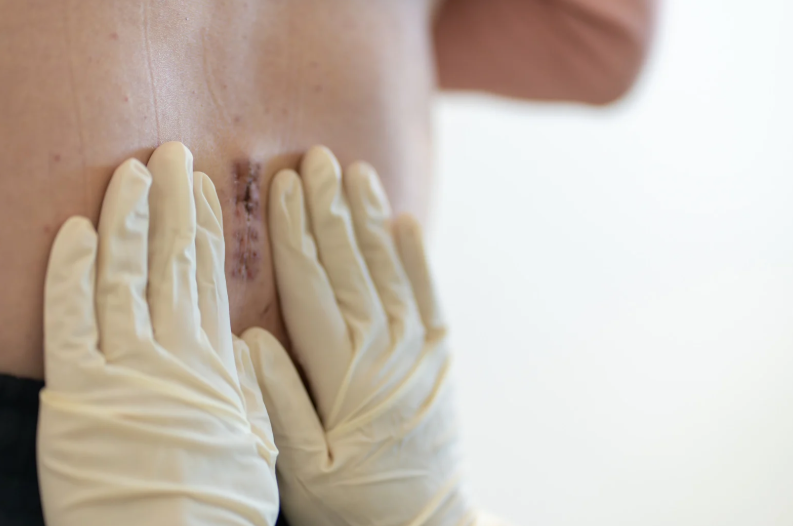
Many orthopedic physicians offer minimally invasive techniques, which often result in smaller incisions, less pain, and faster recovery compared to traditional surgery.
How long does recovery take after orthopedic surgery?
Recovery time depends on the type of procedure, patient health, and adherence to rehabilitation plans. An orthopedic physician will provide a detailed recovery timeline and support through physical therapy and follow-up care.
What makes an orthopedic physician different from a general doctor?
An orthopedic physician has specialized training in musculoskeletal health, offering targeted treatments, surgeries, and rehabilitation programs that general practitioners may not provide.