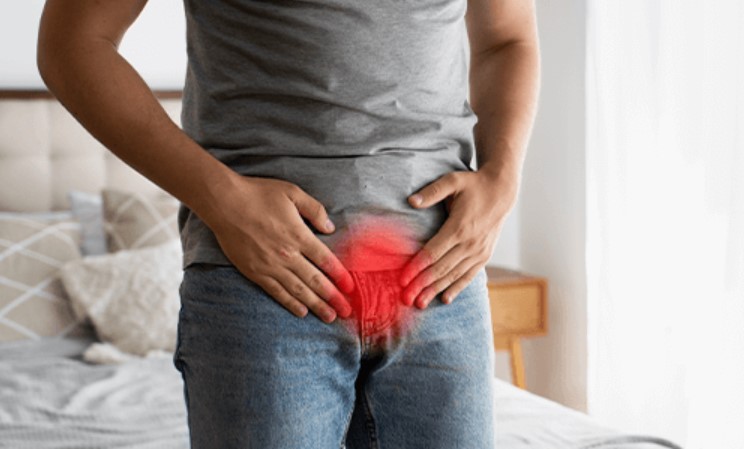
Hernia Repair Surgery is a common procedure performed to correct hernias in the abdominal wall, groin, or other regions. While the surgery is generally safe and effective, managing pain and ensuring proper healing are crucial for a smooth recovery. Patients who choose The Specialists Surgery & Cancer Center benefit from expert surgical care, advanced pain management techniques, and a structured recovery plan tailored to each individual.
Understanding Pain After Hernia Repair Surgery
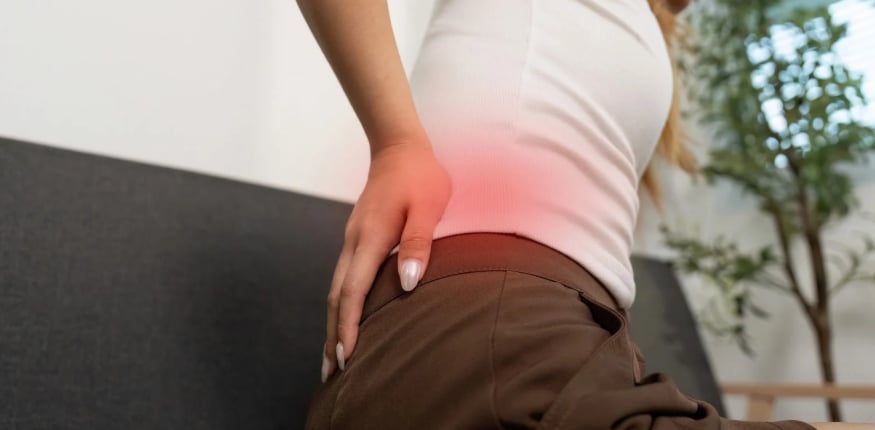
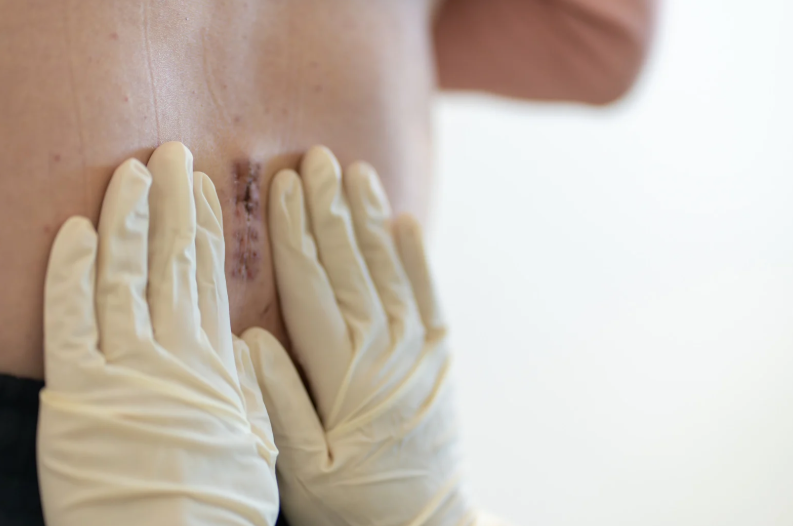
Pain after Hernia Repair Surgery is a normal part of the recovery process. The intensity and type of pain can vary depending on the hernia’s location, the surgical approach, and the patient’s overall health. Common types of post-surgical pain include incisional pain, which occurs at the site of the incision, nerve-related pain, which may cause sharp or tingling sensations, and muscular discomfort from the surrounding tissue adjusting after surgery. Open Hernia Repair Surgery typically results in more noticeable discomfort compared to laparoscopic procedures, but both approaches require careful pain management.
Pain Control Methods After Hernia Repair Surgery
Effective pain control after Hernia Repair Surgery combines medications and non-medication techniques. The Specialists Surgery & Cancer Center provides comprehensive pain management plans to ensure comfort and support healing.
Medications for Post-Surgical Pain
Prescription pain relievers are often necessary during the first few days following Hernia Repair Surgery. Over-the-counter options like acetaminophen or NSAIDs can also help reduce pain and inflammation. Patients must follow their surgeon’s instructions carefully to avoid complications and achieve optimal relief.
Non-Medication Pain Management Techniques
Non-medication approaches complement drug therapy to minimize discomfort. Applying ice packs can reduce swelling and numb the surgical area. Supporting the incision with abdominal binders or pillows while moving or coughing helps prevent unnecessary strain. Relaxation methods such as deep breathing, meditation, or gentle stretching can also reduce pain perception and support overall recovery.
Healing Timeline After Hernia Repair Surgery
Recovery from Hernia Repair Surgery follows a general timeline, but it can vary depending on the individual and surgical method. During the first 24–72 hours, patients may experience the most significant pain and swelling, which gradually diminishes with proper care. By one to two weeks post-surgery, discomfort usually becomes more manageable, and normal daily activities can resume with caution. Full tissue healing can take several weeks to months, and following the advice of The Specialists Surgery & Cancer Center ensures that recovery progresses safely.
Activities and Movement During Recovery
Early, gentle movement after Hernia Repair Surgery is essential to prevent complications like blood clots and promote faster healing. Patients should avoid heavy lifting, strenuous exercise, or activities that strain the surgical site. Walking and light stretching are encouraged, and posture maintenance helps support abdominal muscles. Gradual reintroduction of daily routines under medical guidance ensures safe recovery.
Factors That Affect Pain Control and Healing
Several factors influence pain and healing after Hernia Repair Surgery. Age, overall health, and nutritional status play a role in tissue repair. The size and type of hernia, whether it was repaired via open or laparoscopic surgery, and adherence to post-operative instructions can all affect recovery outcomes. Patients under the care of The Specialists Surgery & Cancer Center receive personalized guidance to optimize healing and reduce post-surgical pain.
Warning Signs That Healing Is Not Progressing Normally
While mild discomfort is expected, severe or worsening pain may indicate complications after Hernia Repair Surgery. Signs to watch for include infection, persistent swelling, bulging at the surgical site, or fever. Patients experiencing unusual symptoms should contact The Specialists Surgery & Cancer Center immediately to ensure timely intervention and prevent further issues.
Tips to Promote Faster Healing and Reduce Pain
Following specific guidelines can enhance recovery and comfort after Hernia Repair Surgery. Proper wound care, including keeping the incision clean and dry, helps prevent infection. Adequate nutrition and hydration support tissue repair and overall health. Rest, sleep, and avoiding stress promote natural healing processes. Regular follow-up appointments at The Specialists Surgery & Cancer Center allow surgeons to monitor progress and adjust care plans as needed.
Takeaway
Effective pain control and proper healing are essential components of a successful recovery after Hernia Repair Surgery. Patients who choose The Specialists Surgery & Cancer Center receive expert surgical care, individualized pain management, and a structured recovery plan that prioritizes comfort and safety. Following professional guidance ensures a smoother, faster, and more complete recovery, allowing patients to return to their normal activities with confidence.
Frequently Asked Questions (FAQ)
How long does pain last after Hernia Repair Surgery?
Pain is usually most intense during the first few days but gradually decreases over one to two weeks. Minor discomfort can persist for several weeks as tissues heal.
Is pain normal weeks after Hernia Repair Surgery?
Mild soreness or tightness may continue for a few weeks, but persistent sharp pain or swelling should be evaluated by a surgeon.
What helps pain control after Hernia Repair Surgery?
A combination of prescribed medications, ice therapy, abdominal support, and gentle movement can significantly reduce post-surgical pain.
When can normal activities be resumed?
Light daily activities can often resume within one to two weeks, but lifting heavy objects or vigorous exercise should wait until cleared by your surgeon.