Orchidopexy is a specialized surgical procedure designed to correct undescended testicles, a condition also known as cryptorchidism. The procedure is crucial for children and, in rare cases, adults whose testicles have not naturally descended into the scrotum. Early intervention through orchidopexy improves long-term outcomes, including fertility, testicular health, and overall well-being. The Specialist Surgery and Cancer Center (TSSCC) in Quezon City provides safe, affordable, and expert care for patients requiring orchidopexy, offering advanced surgical techniques and patient-centered support.
Orchidopexy is more than a surgical procedure. It represents a proactive step in addressing a condition that, if untreated, can lead to complications such as reduced fertility and increased risk of testicular cancer. At TSSCC, families across Metro Manila and other parts of the Philippines trust experienced doctors to perform orchidopexy with precision, ensuring both immediate and long-term benefits for their children or adult patients.
What is Orchidopexy?
Orchidopexy is a surgical operation that relocates one or both undescended testicles into the scrotum. This procedure ensures the testicles are positioned correctly for optimal development and function. Undescended testicles occur in a small percentage of newborn boys and may descend naturally during the first few months of life. If the testicles do not descend, orchidopexy becomes necessary to prevent future health concerns.
The procedure involves gently repositioning the testicle and securing it within the scrotum. Surgeons at TSSCC use advanced techniques to minimize discomfort and support quick recovery. Orchidopexy is typically performed under general anesthesia, and the duration of the surgery depends on the complexity of the case. The goal is to restore proper testicular positioning while preventing potential complications.
Who Needs Orchidopexy?
Orchidopexy is recommended for children diagnosed with cryptorchidism. Most pediatric surgeons suggest performing the surgery between six months and one year of age to optimize testicular development. Untreated undescended testicles can lead to fertility issues, hormonal imbalances, and an elevated risk of testicular cancer.
Adult patients who have undiagnosed undescended testicles may also benefit from orchidopexy. While less common, adults can experience discomfort or long-term complications if the condition remains untreated. At TSSCC, the surgical team evaluates each patient carefully to determine whether orchidopexy is the most suitable treatment option. Families across Quezon City, Metro Manila, and other regions of the Philippines rely on the center’s expertise for both pediatric and adult cases.
Why Early Surgery is Important
Timing plays a critical role in the success of orchidopexy. Early surgery provides multiple advantages, including improved fertility potential, reduced risk of testicular cancer, and enhanced cosmetic outcomes. The earlier the procedure is performed, the greater the likelihood that the testicle will function normally after surgery.
Delaying orchidopexy may result in reduced sperm production and compromised hormone levels later in life. Early intervention also reduces the emotional and psychological impact on children and parents, allowing families to address the condition before it affects development or self-esteem. TSSCC prioritizes early diagnosis and treatment, encouraging parents to seek care as soon as an undescended testicle is identified.
The Orchidopexy Procedure at TSSCC
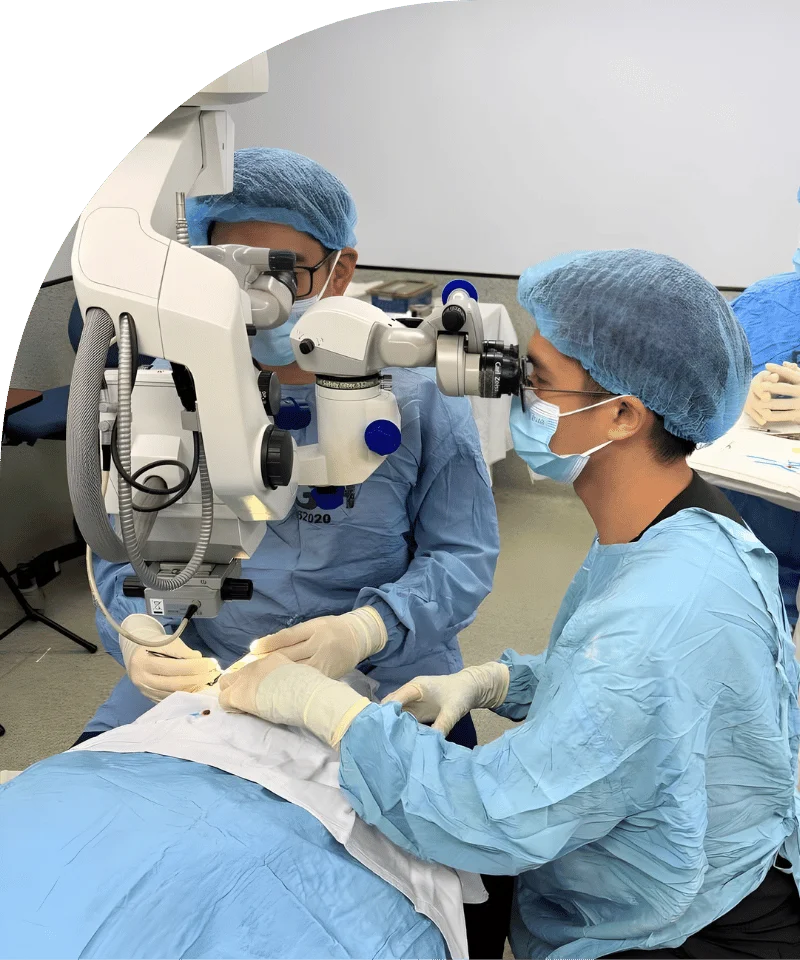
Orchidopexy at TSSCC follows a meticulous process designed for safety and efficiency. The procedure begins with a thorough preoperative assessment, including physical examination and imaging studies to locate the undescended testicle. Once the testicle is identified, the surgeon proceeds with the operation under general anesthesia.
The surgeon makes a small incision near the groin or scrotum, carefully mobilizes the testicle, and repositions it into the scrotum. Sutures are placed to secure the testicle in its proper location. In some cases, a laparoscopic approach may be used to access testicles that have not descended fully or are located higher in the abdomen.
Orchidopexy is usually performed as an outpatient procedure, allowing patients to return home on the same day. This approach reduces the risk of hospital-acquired infections and promotes a comfortable recovery environment. The surgical team at TSSCC provides detailed guidance for postoperative care, ensuring parents and patients understand the steps necessary for safe healing.
Recovery and Aftercare
Recovery following orchidopexy is generally straightforward, with most children returning to normal activities within a few days. Mild discomfort or swelling at the surgical site is expected, and pain management is provided as needed. Patients are advised to avoid strenuous activity and contact sports until fully healed.
Parents should monitor the incision for signs of infection, such as redness, swelling, or discharge, and maintain proper hygiene to support healing. Follow-up visits at TSSCC ensure the testicle remains in the correct position and that recovery progresses as expected. In adult patients, recovery may take slightly longer, but the principles of care remain the same.
Proper aftercare following orchidopexy significantly reduces the risk of complications and supports optimal long-term outcomes. TSSCC emphasizes patient education and continuous support, guiding families through each stage of the recovery process.
Risks and Complications
Orchidopexy is generally safe, but, as with any surgical procedure, there are potential risks. These include infection, bleeding, or testicle retraction. The risk of complications is minimized through precise surgical technique, sterile operating conditions, and attentive postoperative care.
The team at TSSCC is trained to recognize early signs of complications and provide immediate intervention when necessary. By following recommended recovery guidelines, most patients experience smooth healing and successful outcomes. Parents can feel confident that orchidopexy performed at TSSCC is conducted with the highest safety standards.
Why Choose The Specialist Surgery & Cancer Center
Families and adult patients seeking orchidopexy benefit from TSSCC’s combination of expertise, affordability, and patient-centered service. The center reduces unnecessary hospital visits by offering outpatient procedures, which lower the risk of exposure to infections and shorten recovery time.
TSSCC’s surgeons are experienced in both pediatric and adult cases, ensuring that each patient receives treatment tailored to their specific needs. Affordable pricing and accessible care encourage families to address undescended testicles promptly, preventing long-term complications and promoting overall health. Patients from Quezon City, Metro Manila, and other regions of the Philippines trust TSSCC for high-quality surgical care delivered with compassion and efficiency.
Takeaway
Orchidopexy at The Specialist Surgery and Cancer Center is a safe, effective, and affordable solution for undescended testicles. Early intervention ensures optimal testicular health, reduces the risk of complications, and supports long-term well-being. Families across Metro Manila and the Philippines can trust TSSCC for expert care, patient-focused service, and comprehensive support throughout the surgical and recovery process.
FAQs About Orchidopexy
At what age should orchidopexy be performed?
Orchidopexy is typically recommended between six months and one year of age to maximize testicular development and function.
Is orchidopexy painful for children?
Discomfort is mild and manageable with appropriate pain medication. Most children recover quickly and return to normal activities within a few days.
How long does recovery take after orchidopexy?
Most children resume regular activity in 3–7 days, while full healing usually occurs within 2–4 weeks. Adults may require slightly longer recovery periods.
Can orchidopexy affect fertility?
Early orchidopexy significantly improves fertility potential by ensuring the testicle develops in the correct environment. Untreated undescended testicles may reduce sperm production later in life.
Why is outpatient surgery preferred for orchidopexy?
Outpatient orchidopexy allows patients to recover at home, reducing the risk of hospital-acquired infections and providing a more comfortable environment for healing.
Are there risks associated with orchidopexy?
Risks are minimal but may include infection, bleeding, or testicle retraction. TSSCC minimizes these risks through expert surgical care and thorough follow-up.
How does TSSCC support families during recovery?
The surgical team provides detailed guidance on post-operative care, follow-up appointments, and monitoring to ensure successful healing and proper testicular positioning.