
Anal Fistula Repair and Removal in the Philippines refers to a set of surgical procedures designed to treat a chronic tunnel-like infection near the anus. These abnormal passages often develop after an untreated abscess and may lead to persistent pain, discharge, and repeated infection. Many patients seek Anal Fistula Repair and Removal in the Philippines when symptoms begin to interfere with daily comfort, sitting, work, and overall quality of life.
Specialist colorectal care plays a key role in managing this condition. One trusted provider is The Specialist Surgery and Cancer Center, which offers outpatient-based surgical management designed to support patient recovery while reducing the need for hospital admission. Anal Fistula Repair and Removal in the Philippines is commonly performed using procedures such as fistulotomy, fistulectomy, and sphincterotomy depending on the severity and location of the fistula.
Early evaluation remains important because fistulas rarely close without surgical treatment. Delayed care may lead to recurring infection and more complex surgical needs. Anal Fistula Repair and Removal in the Philippines provides a structured pathway for addressing both simple and complex cases.
What Is an Anal Fistula?
An anal fistula is an abnormal channel that forms between the inside of the anal canal and the surrounding skin. It often develops after an infection in an anal gland that results in an abscess. Once the abscess drains or ruptures, a tunnel may remain, creating a continuous pathway for infection.
Anal Fistula Repair and Removal in the Philippines focuses on closing this abnormal tract and removing infected tissue so healing can occur properly. Without treatment, the fistula may remain active and continue to discharge fluid or pus.
Patients who seek Anal Fistula Repair and Removal in the Philippines often report long-term symptoms that do not improve with medication alone. This is because the underlying tunnel structure must be surgically corrected for full recovery.
Symptoms of Anal Fistula
Recognizing symptoms early supports timely treatment through Anal Fistula Repair and Removal in the Philippines. Common signs include:
Persistent pain near the anal area that may worsen when sitting or during bowel movements
Swelling or a tender lump close to the anus
Ongoing drainage of pus or fluid with an unpleasant odor
Skin irritation or redness around the affected area
Repeated abscess formation in the same location
Occasional bleeding or discharge from a small opening in the skin
These symptoms often indicate an active fistula that requires surgical evaluation. Many patients seeking Anal Fistula Repair and Removal in the Philippines report a history of recurring abscesses before a definitive diagnosis is made.
Causes and Risk Factors
Anal Fistula Repair and Removal in the Philippines is commonly needed due to infection-related causes. The most frequent origin is an anal abscess that was not fully treated or healed.
Other contributing factors include:
Chronic infection in the anal glands
Inflammatory bowel conditions
Previous anorectal surgery or drainage procedures
Poor healing after abscess treatment
Recurrent bacterial infection in the anal region
Patients with these conditions may develop persistent fistulas that require surgical correction. Anal Fistula Repair and Removal in the Philippines addresses both the infected tract and surrounding tissue to support complete healing.
Diagnosis of Anal Fistula
Accurate diagnosis is essential before performing Anal Fistula Repair and Removal in the Philippines. A colorectal surgeon typically begins with a physical examination to identify external openings, swelling, or drainage sites.
Additional diagnostic steps may include:
Digital rectal examination to assess internal involvement
Imaging studies to map the fistula pathway
Assessment of sphincter muscle involvement
Evaluation of infection severity and recurrence history
Proper mapping of the fistula allows surgeons to select the most suitable approach for Anal Fistula Repair and Removal in the Philippines. This step is important in reducing complications and improving surgical outcomes.
Treatment Options for Anal Fistula Repair and Removal in the Philippines
Treatment depends on the type, length, and complexity of the fistula. Anal Fistula Repair and Removal in the Philippines commonly involves surgical procedures designed to eliminate the tract and support healing.
Fistulotomy
Fistulotomy involves opening the fistula tract so it can heal from the inside out. This approach is often used for simple fistulas that do not involve deep muscle structures. It is one of the most common methods for Anal Fistula Repair and Removal in the Philippines.
Fistulectomy
Fistulectomy involves complete removal of the fistula tract. This method may be recommended for more complex or recurrent cases. Anal Fistula Repair and Removal in the Philippines using fistulectomy aims to reduce the chance of persistent infection.
Sphincterotomy
Sphincterotomy involves a controlled release of a portion of the anal muscle in selected cases. This procedure is carefully considered to balance healing support and muscle function. It is used in specific cases of Anal Fistula Repair and Removal in the Philippines where pressure reduction supports recovery.
At The Specialist Surgery and Cancer Center, treatment plans are tailored based on individual assessment to support safe outcomes and proper healing.
What to Expect During the Procedure
Patients undergoing Anal Fistula Repair and Removal in the Philippines typically receive outpatient surgical care. Before the procedure, a consultation and evaluation are completed to confirm the treatment plan.
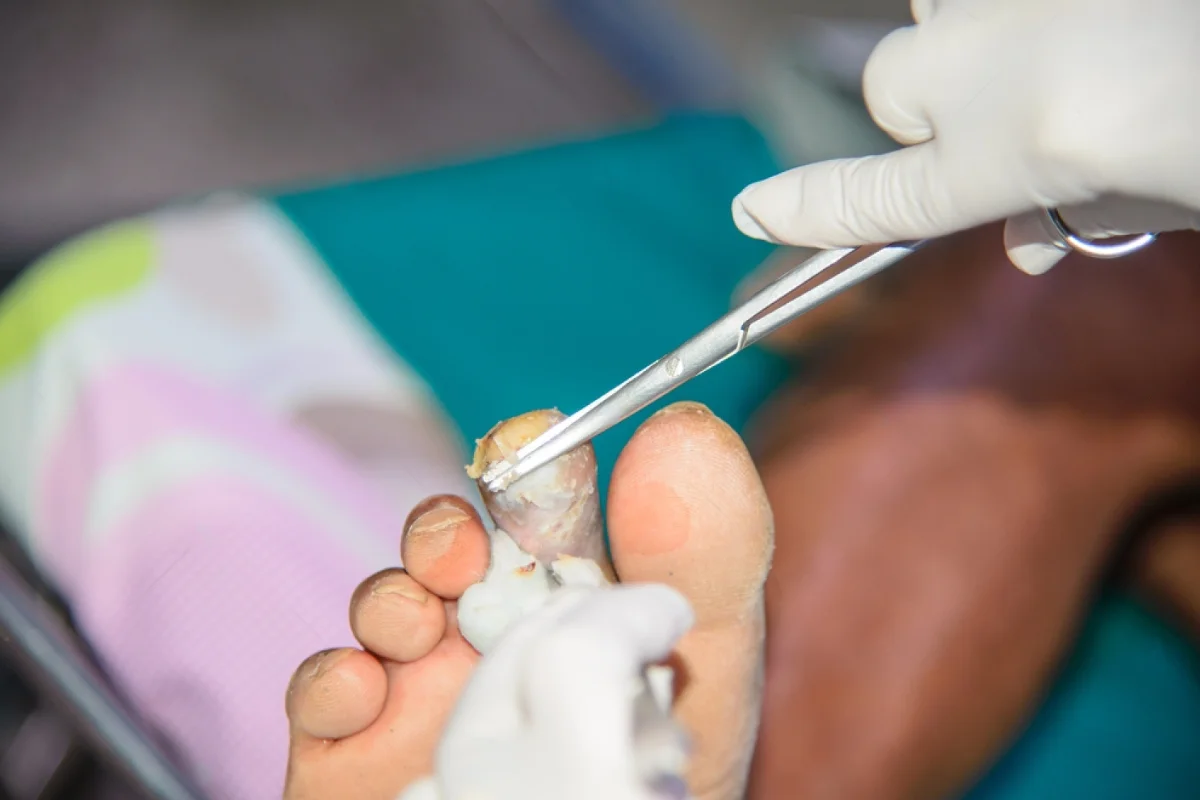
During surgery, local or regional anesthesia is administered depending on the case. The surgeon then treats the fistula by opening or removing the infected tract. The procedure duration varies depending on complexity.
After surgery, patients are monitored for a short period before being discharged. Anal Fistula Repair and Removal in the Philippines performed in an outpatient setting allows patients to recover at home with proper instructions and follow-up care.
Recovery After Anal Fistula Repair and Removal in the Philippines
Recovery varies depending on the procedure type and fistula severity. Most patients experience gradual improvement within a few weeks.
Common recovery guidelines include:
Keeping the surgical area clean and dry
Following wound care instructions from the surgeon
Taking prescribed medication for pain or infection control
Avoiding strain during bowel movements
Attending follow-up visits for monitoring
Patients undergoing Anal Fistula Repair and Removal in the Philippines are advised to observe changes in symptoms and report unusual pain or discharge. Proper care supports healing and reduces the chance of recurrence.
Possible Risks and Complications
Like any surgical procedure, Anal Fistula Repair and Removal in the Philippines carries some risks. These may include:
Temporary pain or discomfort during healing
Infection at the surgical site
Bleeding or delayed wound closure
Recurrence of fistula in complex cases
Rare effects on muscle control depending on procedure type
Careful surgical planning and proper post-operative care help reduce these risks. Clinics such as The Specialist Surgery and Cancer Center follow structured protocols to support patient safety and recovery.
Cost Considerations for Anal Fistula Repair and Removal in the Philippines
The cost of Anal Fistula Repair and Removal in the Philippines depends on several factors:
Type of surgical procedure performed
Complexity and depth of the fistula
Need for diagnostic imaging or tests
Surgeon expertise and facility setting
Post-surgical care requirements
Patients are encouraged to seek early consultation because delayed treatment may result in more complex procedures and higher overall cost. Outpatient surgical care options can help reduce hospitalization expenses while maintaining treatment quality.
Why Patients Choose Specialist Care
Many patients seeking Anal Fistula Repair and Removal in the Philippines prefer specialist outpatient centers due to convenience and focused care. One such provider is The Specialist Surgery and Cancer Center, which offers structured colorectal services in a controlled clinical environment.
Key reasons patients choose specialist care include:
Focused colorectal expertise
Shorter waiting times compared to large hospitals
Outpatient treatment options that support home recovery
Clear treatment planning and follow-up care
Affordable surgical pathways for Filipino patients
These factors make Anal Fistula Repair and Removal in the Philippines more accessible for patients seeking timely treatment.
When to See a Doctor
Medical consultation is recommended if any of the following symptoms appear:
Persistent anal pain or swelling
Repeated abscess formation
Ongoing pus or discharge
Difficulty sitting due to discomfort
Signs of infection that do not improve
Early assessment improves outcomes for Anal Fistula Repair and Removal in the Philippines and helps prevent progression to more complex conditions.
Takeaway
Anal Fistula Repair and Removal in the Philippines provides an effective solution for patients dealing with persistent anal fistulas, recurring infections, and chronic discomfort. Surgical treatment remains the most reliable method for closing the abnormal tract and restoring comfort.
Specialist care plays an important role in achieving good outcomes. The Specialist Surgery and Cancer Center offers outpatient colorectal surgical services designed to support safe treatment, structured recovery, and accessible care for patients across the Philippines.
Early consultation helps prevent complications and supports better long-term results for Anal Fistula Repair and Removal in the Philippines.
Frequently Asked Questions (FAQ)
What causes anal fistula?
Most cases develop after an anal abscess that does not heal properly, leading to a persistent tunnel that requires surgical correction through Anal Fistula Repair and Removal in the Philippines.
Can anal fistula heal without surgery?
Most fistulas do not heal on their own. Surgical treatment is often needed for complete recovery through Anal Fistula Repair and Removal in the Philippines.
How long is recovery after surgery?
Recovery time varies, but many patients notice improvement within a few weeks after Anal Fistula Repair and Removal in the Philippines, depending on the procedure type.
Is the procedure painful?
Anesthesia is used during surgery. Some discomfort may occur during recovery, which is managed with medication and proper wound care.
Can the fistula return after treatment?
Recurrence is possible in complex cases, but proper surgical planning and follow-up care reduce this risk after Anal Fistula Repair and Removal in the Philippines.