Pelvic Floor Physical Therapy Fishers offers specialized care for adults experiencing bladder issues, pelvic pain, core weakness, or postpartum recovery challenges. Many people face symptoms such as frequent trips to the bathroom, urine leakage during activity, pelvic pressure, or discomfort during sexual activity. These issues can affect daily life, confidence, and overall wellness. At Osteopractic Physical Therapy of Central Indiana, residents of Fishers can access expert care focused on restoring pelvic strength, improving function, and enhancing quality of life through a personalized, evidence-based approach.
Pelvic Floor Physical Therapy Fishers targets the muscles, ligaments, and connective tissues of the pelvic floor, which support the bladder, uterus, prostate, rectum, and lower back. Weakness, tightness, or dysfunction in these muscles can lead to a range of symptoms, and therapy aims to address the root cause rather than only managing symptoms. Through individualized assessments and targeted treatment plans, patients often experience relief, improved muscle coordination, and increased confidence in everyday activities.
What Is Pelvic Floor Physical Therapy?
Pelvic Floor Physical Therapy Fishers focuses on improving the function of the pelvic muscles through assessment, exercise, and manual therapy. The therapy uses techniques from neuromusculoskeletal rehabilitation to restore balance, strength, and coordination to the pelvic floor muscles. Therapists evaluate both external and internal muscle function to develop a treatment plan that is specific to each patient’s needs.
During treatment, therapists may teach patients to activate weak muscles, relax overactive muscles, and improve coordination to support bladder and bowel control, sexual function, and overall pelvic stability. This approach is suitable for adults of all genders and ages, and therapy is tailored to each individual based on their symptoms, lifestyle, and goals.
Pelvic Floor Physical Therapy Fishers goes beyond standard physical therapy by targeting a critical group of muscles often overlooked in general fitness and rehabilitation programs. Whether you experience incontinence, pain, or postural challenges, this therapy provides specialized strategies to restore comfort and function.
Common Pelvic Health Concerns in Fishers
Many residents in Fishers experience symptoms that affect their daily routines and overall well-being. Pelvic Floor Physical Therapy Fishers addresses a variety of concerns, including:
Frequent bathroom urgency or nighttime trips can disrupt sleep and daily life. Therapy helps patients retrain their bladder, reduce urgency, and improve control.
Urine leakage with coughing, laughing, sneezing, or exercise is common after childbirth, during menopause, or due to weakened pelvic muscles. Pelvic Floor Physical Therapy Fishers helps strengthen muscles and reduce involuntary leakage.
Pelvic or tailbone pain may result from muscle tension, weakness, or misalignment in the pelvis. Therapy improves muscle balance, supports the pelvis, and relieves discomfort.
Pain during sexual activity can be caused by muscle tightness, nerve sensitivity, or reduced coordination in the pelvic floor. Therapeutic techniques aim to improve flexibility, sensation, and function.
Postpartum recovery concerns include abdominal separation (diastasis recti), weakened pelvic muscles, and urinary leakage. Therapy provides exercises and strategies to rebuild core strength, support the pelvis, and restore normal function.
Prolapse symptoms, such as a feeling of pressure or bulging in the pelvic region, can be managed with targeted pelvic floor exercises and muscle coordination techniques.
Difficulty reaching the toilet on time or controlling bowel movements can affect independence and confidence. Pelvic Floor Physical Therapy Fishers trains patients to improve timing, control, and overall pelvic function.
Why Local Residents Choose Pelvic Floor Physical Therapy
Pelvic Floor Physical Therapy Fishers offers a non-surgical option for individuals looking to restore pelvic health safely and effectively. Residents often prefer this approach because it addresses underlying causes of incontinence, pain, and muscle dysfunction rather than just masking symptoms.
Osteopractic Physical Therapy of Central Indiana employs experienced therapists who understand the unique needs of patients in Fishers and surrounding areas. Therapists create personalized programs based on each patient’s history, lifestyle, and goals. Therapy may include strengthening weak muscles, relaxing tight muscles, and teaching new movement patterns to support long-term pelvic health.
Local accessibility ensures residents can receive consistent care, attend follow-up appointments, and monitor progress over time. Therapy is designed to integrate into daily life and provide practical solutions that improve comfort, confidence, and mobility.
What to Expect at Your First Visit
During your initial consultation for Pelvic Floor Physical Therapy Fishers, therapists review your medical history and discuss symptoms in detail. This step helps identify factors affecting bladder, bowel, or sexual function, including fluid intake, posture, and daily habits.
The evaluation typically lasts about one hour in a private setting. Therapists may perform an external assessment to examine muscle strength, coordination, and tone. For patients comfortable with an internal exam, therapists may evaluate pelvic floor muscles directly to develop a comprehensive plan.
Your therapist will explain recommended treatments, expected outcomes, and the timeline for improvement. Patients often leave the first visit with simple exercises or strategies to begin addressing symptoms immediately. This structured approach ensures therapy is targeted, effective, and individualized.
Typical Treatments and Approaches Offered
Pelvic Floor Physical Therapy Fishers provides a wide range of treatments aimed at restoring function, reducing discomfort, and improving quality of life. Services include:
Bladder training routines help patients regain control over urinary urgency and frequency. Therapists design schedules and techniques to support bladder health.
Muscle strengthening and relaxation strategies address both weak and overactive pelvic muscles. Exercises improve coordination, endurance, and support for the pelvic organs.
Manual therapy may include internal or external techniques to release tension, reduce pain, and improve muscle function.
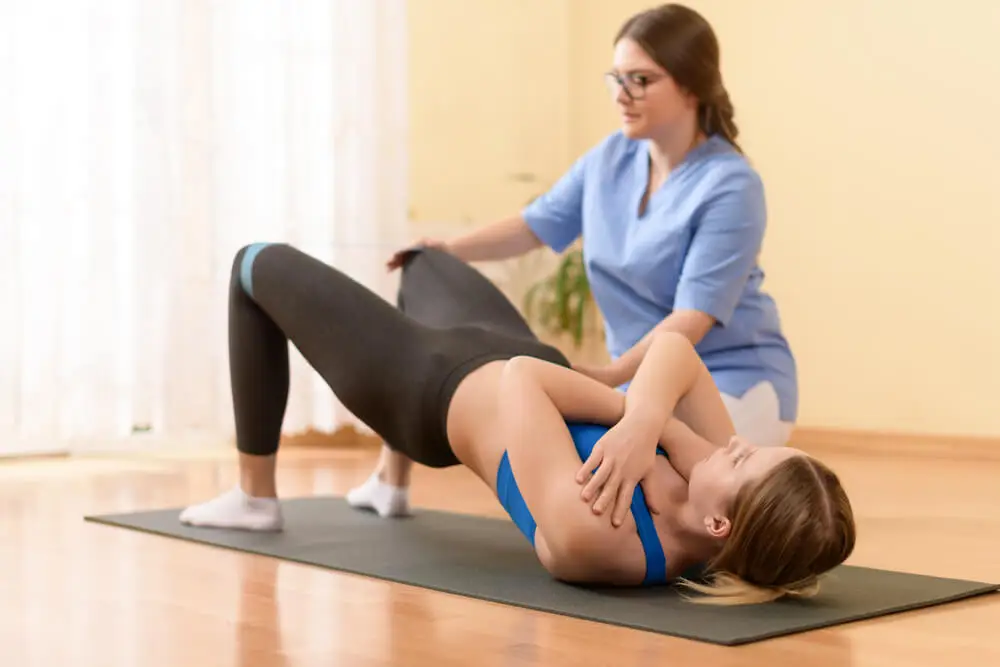
Therapeutic exercises focus on core stability, posture, and overall pelvic support. These exercises are customized to each patient’s needs and lifestyle.
Soft tissue work, dry needling, and cupping provide additional relief for muscle tightness and discomfort, supporting the primary therapy program.
Lifestyle guidance teaches patients how to incorporate exercises and habits that support long-term pelvic health. Recommendations may include modifications to posture, lifting techniques, and fluid management.
Who Can Benefit From This Therapy
Pelvic Floor Physical Therapy Fishers is suitable for adults of all genders experiencing pelvic health challenges. Individuals who often benefit include:
Adults with urinary incontinence or bowel control issues
Postpartum individuals recovering from childbirth
Patients with pelvic pain or pressure affecting daily activities
People seeking non-surgical solutions for prolapse or abdominal separation
Athletes or active adults with pelvic muscle weakness or tightness
Therapy is tailored to address each patient’s unique circumstances, ensuring exercises and treatments are safe, effective, and aligned with personal goals.
Success Stories from Fishers Clients
Many patients in Fishers have experienced improved comfort, strength, and confidence after completing therapy. Short examples include:
A postpartum mother regained bladder control and core stability within weeks, allowing her to return to exercise comfortably.
A patient with chronic tailbone pain found relief through targeted pelvic floor and core exercises.
Individuals experiencing pelvic pressure and mild prolapse noticed reduced discomfort and increased confidence in daily activity.
These outcomes demonstrate the effectiveness of Pelvic Floor Physical Therapy Fishers for a wide range of concerns, improving overall quality of life.
When to Seek Help
Patients should seek therapy if symptoms affect daily life, including persistent pain, discomfort during activity, urinary or bowel challenges, or difficulty with sexual function. Early intervention improves outcomes and prevents long-term complications.
Residents in Fishers are encouraged to contact Osteopractic Physical Therapy of Central Indiana as soon as symptoms arise. Prompt evaluation allows therapists to address underlying issues before they become more severe.
Takeaway
Osteopractic Physical Therapy of Central Indiana provides expert Pelvic Floor Physical Therapy Fishers for residents looking to regain control, reduce pain, and improve daily function. Schedule a consultation to discuss symptoms, receive a personalized evaluation, and begin a treatment plan tailored to your needs. The clinic offers private, professional care and ongoing support to ensure the best possible outcomes for pelvic health.
FAQ
Q: What conditions does Pelvic Floor Physical Therapy Fishers treat?
A: Therapy addresses urinary and bowel incontinence, pelvic pain, prolapse, postpartum recovery, abdominal separation, and sexual dysfunction.
Q: Is Pelvic Floor Physical Therapy painful?
A: Most treatments are gentle, though some manual techniques may cause mild discomfort. Your therapist customizes care to ensure comfort.
Q: Do I need an internal exam?
A: Internal exams help assess muscle strength and coordination accurately but are optional. Therapists can use external assessments if preferred.
Q: How long does therapy take to show results?
A: Many patients notice improvement within a few weeks, but the timeline varies based on symptoms, adherence to exercises, and overall health.
Q: Can men benefit from Pelvic Floor Physical Therapy Fishers?
A: Yes. Men with urinary incontinence, pelvic pain, or post-surgical recovery needs often experience significant improvements.
Q: Is therapy safe after childbirth or surgery?
A: Yes. Therapists develop programs that accommodate recovery stage and individual needs, ensuring safety and effectiveness.