PRP for osteoarthritis is becoming one of the most promising non-surgical options for aging patients who want to manage joint pain and improve mobility without relying heavily on medications or undergoing invasive procedures. As osteoarthritis progresses with age, many individuals experience chronic discomfort, stiffness, and reduced quality of life. PRP for osteoarthritis offers a regenerative approach that focuses on supporting the body’s natural healing process rather than simply masking symptoms.
One of the trusted providers of PRP for osteoarthritis treatments is Tec Orthopedics, known for delivering patient-centered orthopedic care and advanced regenerative solutions designed specifically for joint health and mobility restoration.
What is Osteoarthritis and Why It Affects Aging Patients
PRP for osteoarthritis is often recommended because osteoarthritis is a degenerative joint condition that becomes more common with age. It occurs when the protective cartilage that cushions the ends of bones gradually wears down over time.
Aging patients are more vulnerable to osteoarthritis due to several factors:
- Natural breakdown of cartilage with age
- Long-term joint overuse
- Reduced ability of the body to repair tissue
- Chronic inflammation in the joints
Symptoms commonly include persistent joint pain, stiffness after inactivity, swelling, and difficulty performing everyday movements. PRP for osteoarthritis is designed to target these symptoms by promoting tissue repair and reducing inflammation.
What is PRP Therapy?
PRP for osteoarthritis involves Platelet-Rich Plasma therapy, a regenerative treatment that uses a concentration of a patient’s own blood components to stimulate healing.
The process of PRP for osteoarthritis typically includes:
- Drawing a small amount of blood from the patient
- Processing it in a centrifuge to isolate platelets
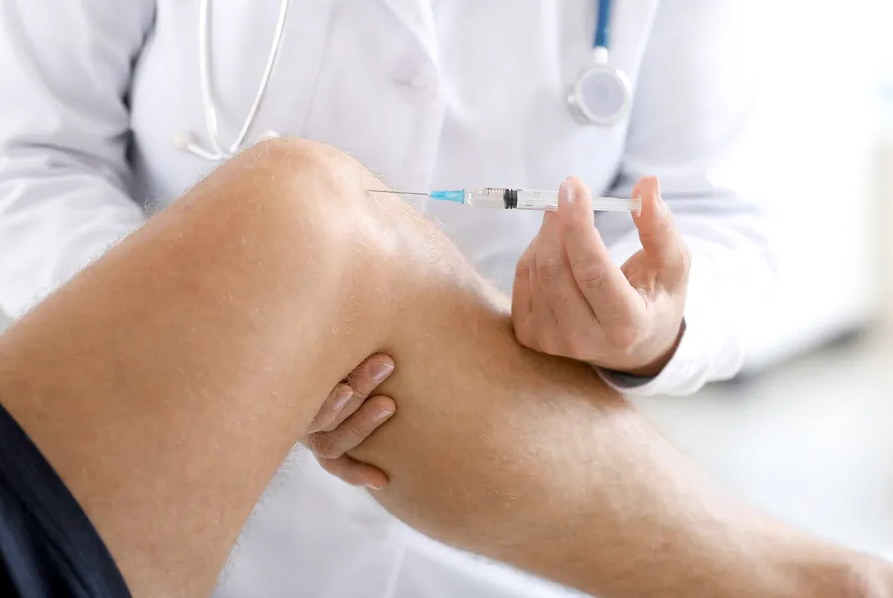
- Injecting the concentrated plasma into the affected joint
Platelets contain growth factors that play a key role in tissue repair. When used in PRP for osteoarthritis, these growth factors help stimulate healing in damaged joint tissues and improve overall joint function.
How PRP for Osteoarthritis Works in Aging Joints
PRP for osteoarthritis works by addressing the root cause of joint degeneration rather than only reducing pain symptoms. Once injected into the affected joint, PRP releases growth factors that help:
- Reduce inflammation within the joint space
- Support regeneration of damaged cartilage tissue
- Improve lubrication and joint movement
- Enhance the body’s natural repair mechanisms
For aging patients, PRP for osteoarthritis is especially beneficial because it supports slower-healing tissues and helps restore function without the risks associated with surgery.
Key Benefits of PRP for Osteoarthritis in Aging Patients
1. Minimally Invasive Alternative to Surgery
PRP for osteoarthritis provides a non-surgical option for patients who want to avoid joint replacement or other invasive procedures. Recovery time is significantly shorter, and patients can usually return to daily activities much faster.
2. Natural and Biocompatible Treatment
Because PRP for osteoarthritis uses the patient’s own blood, the risk of allergic reactions or rejection is extremely low. This makes it a safe and natural treatment option for aging individuals seeking holistic care.
3. Reduced Dependence on Pain Medication
PRP for osteoarthritis can help reduce the need for long-term use of painkillers or anti-inflammatory drugs, which may have side effects when used continuously in older adults.
4. Improved Mobility and Function
One of the main goals of PRP for osteoarthritis is to improve joint flexibility and movement. Many aging patients report better mobility and reduced stiffness after treatment.
5. Potential to Slow Joint Degeneration
PRP for osteoarthritis may help slow the progression of cartilage breakdown, making it a valuable option for patients looking to preserve their joints for longer periods.
PRP for Osteoarthritis vs Traditional Treatments
PRP for osteoarthritis is often compared with other treatment options such as corticosteroid injections, hyaluronic acid injections, physical therapy, and surgery.
- Corticosteroids: Provide short-term relief but do not promote healing
- Hyaluronic acid: Improves lubrication but has limited regenerative effects
- Physical therapy: Supports movement but may not address tissue damage directly
- Surgery: Effective for severe cases but involves longer recovery and higher risk
PRP for osteoarthritis stands out because it focuses on tissue regeneration and long-term joint health rather than temporary symptom relief.
What to Expect During PRP for Osteoarthritis Treatment
Patients undergoing PRP for osteoarthritis can expect a simple outpatient procedure. The process typically includes:
- Consultation and joint assessment
- Blood extraction
- Centrifugation to concentrate platelets
- Injection into the affected joint area
The entire procedure is usually completed within an hour, making PRP for osteoarthritis a convenient option for aging patients with busy or limited mobility schedules.
Recovery and Results
After PRP for osteoarthritis treatment, most patients experience mild swelling or soreness at the injection site, which typically resolves within a few days. Improvements in pain and mobility may begin within a few weeks, with continued progress over several months.
Aging patients undergoing PRP for osteoarthritis are often advised to follow supportive care practices such as low-impact exercise, weight management, and physical therapy to maximize results.
Who is a Good Candidate for PRP for Osteoarthritis?
PRP for osteoarthritis is generally recommended for:
- Patients with mild to moderate osteoarthritis
- Aging individuals seeking non-surgical treatment options
- Those who have not responded well to conventional therapies
- Patients looking for long-term joint preservation strategies
A proper evaluation is essential to determine if PRP for osteoarthritis is appropriate for each individual.
Are There Any Risks or Limitations?
While PRP for osteoarthritis is considered safe, it is important to understand its limitations:
- Not all patients experience the same level of improvement
- Advanced osteoarthritis may respond less effectively
- Temporary soreness or swelling may occur after injection
- Multiple sessions may be required for optimal results
Choosing a qualified provider such as Tec Orthopedics ensures proper evaluation, precise injection techniques, and improved treatment outcomes.
Tips to Maximize Results from PRP for Osteoarthritis
Aging patients can improve outcomes from PRP for osteoarthritis by:
- Maintaining a healthy body weight to reduce joint stress
- Engaging in regular low-impact exercises such as swimming or walking
- Following rehabilitation or physical therapy programs
- Eating a nutrient-rich diet that supports joint health
These lifestyle adjustments help enhance the effectiveness of PRP for osteoarthritis and support long-term joint function.
Frequently Asked Questions (FAQs)
How long does PRP for osteoarthritis last?
Results from PRP for osteoarthritis can last several months to over a year, depending on the severity of the condition and the patient’s lifestyle habits.
Is PRP for osteoarthritis safe for elderly patients?
Yes, PRP for osteoarthritis is generally safe for aging patients because it uses the patient’s own blood, minimizing risks of adverse reactions.
How many PRP for osteoarthritis sessions are needed?
Some patients may require a single injection, while others benefit from a series of treatments depending on joint condition and severity.
Does PRP for osteoarthritis replace surgery?
PRP for osteoarthritis may delay or reduce the need for surgery, but it may not fully replace joint replacement in severe cases.
Why choose Tec Orthopedics for PRP for osteoarthritis?
Tec Orthopedics is recognized for its specialized regenerative orthopedic treatments, offering personalized care plans and advanced PRP for osteoarthritis procedures designed to improve joint function and patient quality of life.
Takeaway
PRP for osteoarthritis presents a promising solution for aging patients seeking a natural, minimally invasive approach to joint pain relief. By promoting tissue regeneration, reducing inflammation, and improving mobility, PRP for osteoarthritis offers a pathway toward better long-term joint health. With expert providers like Tec Orthopedics, patients gain access to professional care and advanced regenerative treatments designed to support lasting results and improved quality of life.