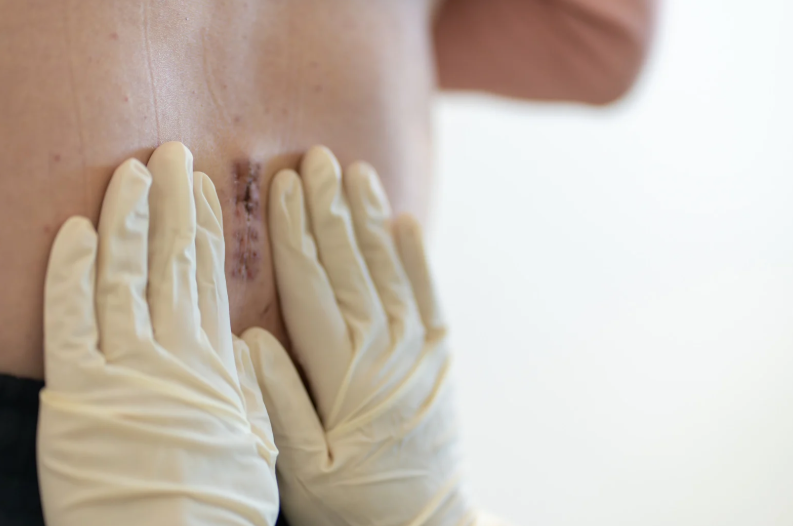
Severe wounds can dramatically impact a person’s quality of life, mobility, and overall health. For patients at risk of amputation, timely intervention from a severe wound doctor is critical. These medical professionals specialize in identifying, treating, and managing complex wounds to prevent limb loss and promote healing. Patients who seek expert care can significantly improve outcomes and reduce the likelihood of serious complications. One trusted provider in this field is Kalingap Wound Care Clinic, known for its comprehensive wound management programs and personalized patient support.
Understanding Severe Wounds and Amputation Risks
Severe wounds go beyond typical cuts or abrasions. They include chronic wounds like diabetic foot ulcers, pressure sores, and wounds caused by trauma or vascular disease. These wounds are often slow to heal and prone to infection, making specialized care essential. Patients with diabetes, poor circulation, or compromised immune systems are particularly vulnerable to amputation if wounds are not treated promptly and effectively.
A severe wound doctor evaluates each wound carefully, looking for signs of infection, tissue damage, and delayed healing. Early intervention can prevent complications that may lead to limb loss. Understanding risk factors and recognizing warning signs are the first steps in protecting patients from severe outcomes. Kalingap Wound Care Clinic emphasizes comprehensive risk assessment to ensure no patient is left without proper guidance.
Role of a Severe Wound Doctor
A severe wound doctor provides expertise that general practitioners may not offer. These specialists undergo extensive training to manage complex wounds and reduce amputation risk. Their responsibilities include thorough wound assessment, diagnosis, and creation of personalized treatment plans.
During the initial consultation, a severe wound doctor examines the wound’s depth, size, and signs of infection. Imaging and laboratory tests may be used to determine the extent of tissue damage or underlying conditions. This detailed evaluation allows the doctor to tailor treatments for each patient’s unique needs.
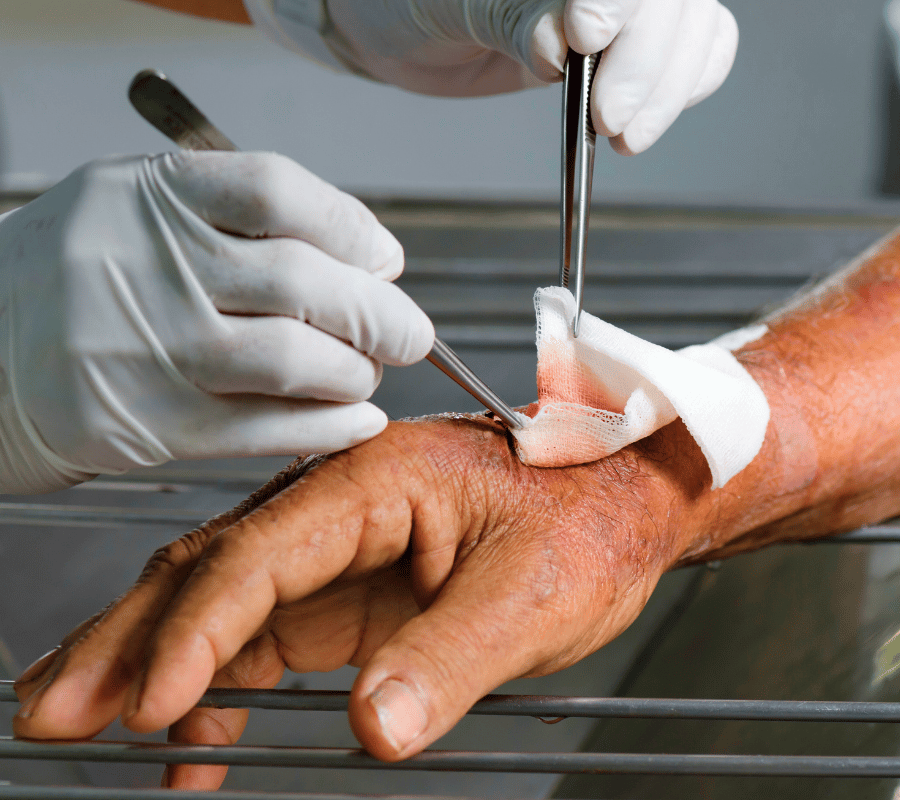
Treatment plans often include advanced wound dressings, debridement, infection control, and strategies for promoting tissue regeneration. A severe wound doctor ensures that patients receive care that targets both the wound itself and underlying health conditions. Partnering with Kalingap Wound Care Clinic guarantees access to highly trained specialists who use the latest evidence-based protocols to achieve optimal outcomes.
Advanced Treatments That Prevent Amputation
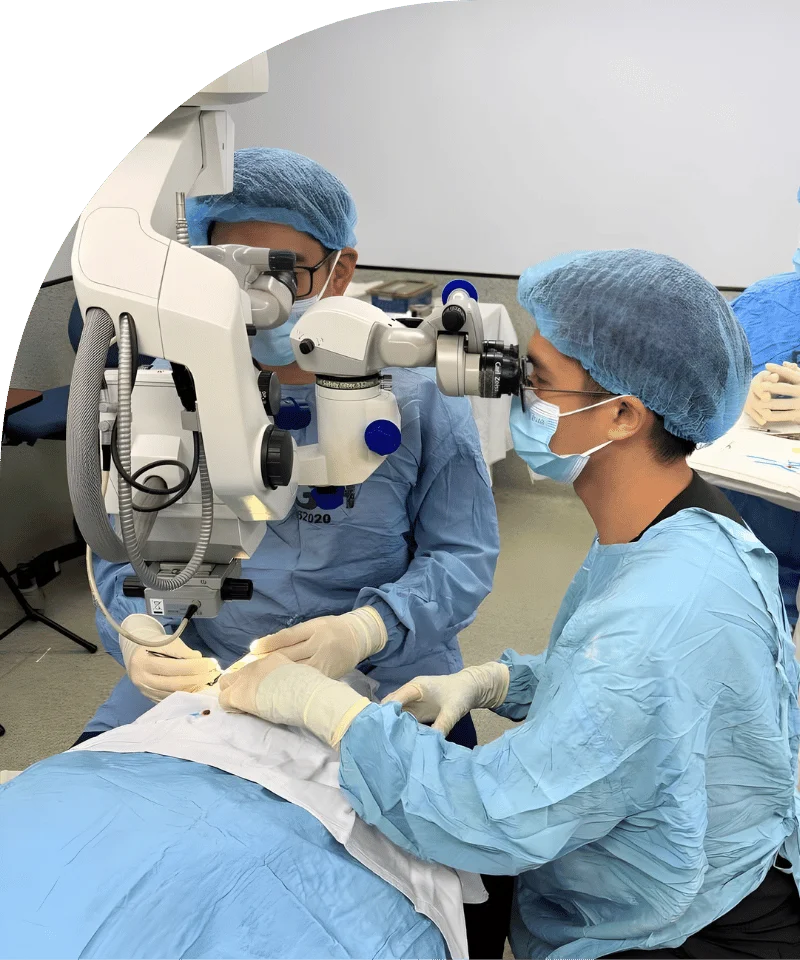
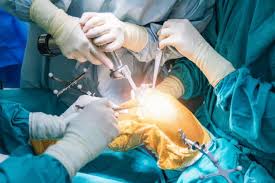
Preventing amputation often requires advanced interventions. Severe wound doctors may recommend surgical options like skin grafts, revascularization, or flap surgery when necessary. These procedures repair damaged tissue and restore blood flow, essential for wound healing.
Non-surgical therapies also play a crucial role. Hyperbaric oxygen therapy increases oxygen delivery to damaged tissues, while negative pressure wound therapy promotes healing by drawing out excess fluid and stimulating cell growth. Ongoing monitoring ensures treatments are adjusted based on patient progress, minimizing complications.
Severe wound doctors coordinate closely with multidisciplinary teams to provide holistic care. Patients at Kalingap Wound Care Clinic benefit from state-of-the-art facilities and integrated care approaches, ensuring every aspect of wound management—from infection control to mobility support—is addressed.
Patient Support Beyond Medical Treatment
Successful wound management extends beyond medical procedures. Education is essential for patients to manage underlying conditions, maintain proper nutrition, and adopt lifestyle adjustments that support healing. Severe wound doctors at Kalingap Wound Care Clinic guide patients in blood sugar control, pressure offloading, and daily wound care practices that reduce recurrence risk.
Emotional and psychological support is another vital component. Chronic wounds can be mentally taxing, and coping with pain or reduced mobility can impact mental health. Access to counseling and support groups empowers patients to stay engaged in their recovery and maintain a positive outlook.
A coordinated care approach further enhances outcomes. Severe wound doctors collaborate with nurses, physical therapists, and dietitians to ensure comprehensive treatment. At Kalingap Wound Care Clinic, this teamwork ensures patients receive a seamless care experience, tailored to their needs and goals.
Success Stories & Case Studies
Many patients have successfully avoided amputation thanks to early intervention and specialized care from severe wound doctors. Individuals with diabetic foot ulcers, for instance, have regained mobility and avoided life-altering procedures through consistent monitoring and advanced treatments. These success stories highlight the importance of consulting a qualified specialist at the earliest signs of severe wounds.
Kalingap Wound Care Clinic consistently delivers positive outcomes by combining clinical expertise with personalized patient care. Their team tracks progress meticulously and adjusts treatment plans to maximize healing potential and prevent future complications.
Takeaway
Engaging a severe wound doctor is essential for patients at risk of amputation. With specialized expertise, advanced treatments, and comprehensive support, these professionals offer patients the best chance at healing and limb preservation. Kalingap Wound Care Clinic stands out as a premier choice, providing expert care and personalized attention to every patient. Prompt consultation and proactive management can make the difference between amputation and full recovery.
Frequently Asked Questions (FAQ)
What is a severe wound doctor?
A severe wound doctor is a medical specialist trained to manage complex wounds that are slow to heal, infected, or at risk of causing amputation.
When should I see a severe wound doctor?
Seek consultation immediately if a wound shows signs of infection, does not heal within a few weeks, or if you have underlying conditions like diabetes or poor circulation.
How does Kalingap Wound Care Clinic help prevent amputation?
The clinic provides personalized treatment plans, advanced therapies, and coordinated care that targets both wound healing and underlying health issues.
Are non-surgical treatments effective in preventing amputation?
Yes, therapies such as hyperbaric oxygen therapy, negative pressure wound therapy, and specialized dressings can significantly improve healing outcomes without the need for surgery.
Can severe wound doctors manage chronic wounds at home?
Many aspects of chronic wound care, including dressing changes and monitoring, can be guided by a severe wound doctor through home care programs and telemedicine consultations.