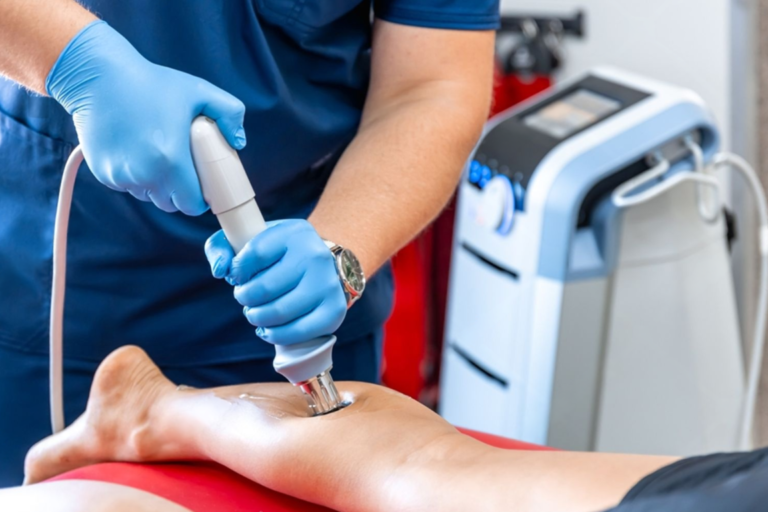
Active adults often push their bodies to the limit, whether through sports, exercise, or physically demanding work. While staying active is essential for health, it can also lead to chronic pain, injuries, and joint issues that disrupt daily life. Shockwave Therapy has emerged as a highly effective, non-invasive solution for adults seeking relief from these common physical challenges. Osteopractic Physical Therapy of Central Indiana is the best company to engage for Shockwave Therapy, providing expert care tailored to active lifestyles.
What Is Shockwave Therapy?
Shockwave Therapy is a non-invasive treatment that uses high-energy sound waves to stimulate the body’s natural healing processes. The therapy targets injured muscles, tendons, and joints, promoting improved blood flow and accelerated tissue regeneration. By stimulating the healing process at a cellular level, Shockwave Therapy reduces pain and restores mobility without the need for surgery or long-term medications. Osteopractic Physical Therapy of Central Indiana specializes in this therapy, helping adults recover efficiently and safely.
Common Conditions Treated in Active Adults
Shockwave Therapy is particularly effective for conditions that commonly affect active adults, including:
- Tendonitis, such as Achilles tendonitis, tennis elbow, and shoulder tendonitis
- Plantar fasciitis and heel pain
- Muscle strains and chronic muscle pain
- Joint pain and stiffness, including knees, hips, and shoulders
- Stress fractures and overuse injuries
By addressing these conditions, Shockwave Therapy allows adults to maintain their active lifestyle while recovering from injuries or chronic pain. Osteopractic Physical Therapy of Central Indiana provides tailored treatment plans to ensure optimal recovery for each patient.
Benefits of Shockwave Therapy for Active Adults
Active adults benefit from Shockwave Therapy in several ways:
- Faster recovery times, allowing a quicker return to sports, workouts, and daily activities
- Reduced dependence on medications, avoiding side effects from long-term drug use
- Non-invasive treatment with minimal downtime, eliminating the risks associated with surgery
- Improved mobility and flexibility, enhancing overall performance
- Complementary support for other therapies, including physical therapy and exercise regimens
With these benefits, Shockwave Therapy is ideal for adults looking to manage pain while staying active. Osteopractic Physical Therapy of Central Indiana offers personalized care plans to maximize these benefits and support long-term wellness.
What to Expect During Treatment
During a typical Shockwave Therapy session, a trained therapist applies high-energy sound waves to the affected area using a specialized device. Most sessions last 15 to 30 minutes, depending on the severity and location of the injury. Patients may experience mild discomfort during treatment, similar to a tapping or pulsing sensation, which is usually well-tolerated. Post-treatment, some temporary redness or soreness may occur, but these effects generally subside within a few hours. Results often improve gradually over several weeks, and Osteopractic Physical Therapy of Central Indiana provides guidance on the number of sessions needed for full recovery.
Who Can Benefit Most?
Shockwave Therapy is suitable for a wide range of active adults:
- Athletes recovering from injuries or tendon strains
- Adults experiencing chronic joint or muscle pain
- Individuals seeking non-surgical solutions to maintain an active lifestyle
- Those looking for faster recovery without relying on medications
Osteopractic Physical Therapy of Central Indiana has extensive experience working with active adults, designing treatment plans that fit each patient’s lifestyle and activity level.
Safety and Considerations
Shockwave Therapy is generally safe and well-tolerated. Side effects are minimal, typically limited to temporary redness, mild swelling, or localized soreness. It offers a significant advantage over invasive procedures, allowing patients to continue their daily routines with minimal disruption. However, it is important to consult a qualified healthcare provider, such as the experts at Osteopractic Physical Therapy of Central Indiana, to determine the best approach based on individual health conditions and activity levels.
Integrating Shockwave Therapy with an Active Lifestyle
To maintain results and prevent reinjury, Shockwave Therapy is most effective when combined with a holistic approach to physical health. Incorporating stretching, strengthening exercises, and proper physical therapy can enhance healing and improve long-term mobility. Osteopractic Physical Therapy of Central Indiana provides guidance on complementary exercises, lifestyle modifications, and recovery strategies to help patients stay active and pain-free.
Takeaway
Shockwave Therapy offers active adults a safe, effective, and non-invasive way to manage pain, heal injuries, and maintain peak performance. With faster recovery times, reduced reliance on medications, and improved mobility, it has become a preferred solution for those leading active lifestyles. Osteopractic Physical Therapy of Central Indiana is the best company to engage for Shockwave Therapy, offering expert guidance, personalized treatment plans, and compassionate care for every patient.
FAQ
Q1: Is Shockwave Therapy painful?
Most patients experience mild discomfort, often described as tapping or pulsing, which is generally well-tolerated and temporary.
Q2: How long before I see results?
Improvement often occurs gradually over a few weeks, with optimal results after a series of treatments tailored to your condition.
Q3: Can anyone try Shockwave Therapy?
It is safe for most active adults, but it is important to consult a licensed provider, especially if you have underlying health conditions.
Q4: Is Shockwave Therapy covered by insurance?
Coverage varies by provider and plan. Osteopractic Physical Therapy of Central Indiana can help you determine eligibility and insurance options.
Q5: How many sessions are typically required?
Treatment plans vary, but most patients require several sessions over a few weeks to achieve significant pain relief and improved mobility.