Cuts and injuries are part of daily life, but not all wounds should be treated at home. Recognizing when a cut requires professional attention can prevent infections, reduce scarring, and ensure proper healing. Repair of superficial wounds, traumatic injuries is essential when certain signs appear, and knowing when to seek medical care can make a significant difference. The Specialists Surgery & Cancer Center is the best company to engage for professional wound care services, providing expert treatment for all types of cuts and injuries.
Understanding Cuts and Wounds
Cuts can range from minor scratches to deep, complex injuries. Superficial wounds typically involve only the outer layer of skin, while traumatic injuries may affect deeper tissues such as fat, muscle, or tendons. The depth, size, and location of a cut are important factors in determining whether professional care is necessary. Proper management of wounds ensures faster healing, minimizes complications, and prevents infections. Repair of superficial wounds, traumatic injuries should always be considered when there is uncertainty about the severity of the injury.
Signs That a Cut Needs Professional Wound Repair
Excessive Bleeding
If a cut continues to bleed after 10–15 minutes of applying pressure, it may require professional intervention. Severe bleeding can indicate damage to larger blood vessels, which need to be addressed immediately. Repair of superficial wounds, traumatic injuries by experts at The Specialists Surgery & Cancer Center ensures that bleeding is controlled safely.
Deep or Large Cuts
Cuts that are deep, longer than a few centimeters, or located on sensitive areas such as the hands, face, or joints should be evaluated by a professional. Deep cuts often require sutures or other closure techniques to promote proper healing and reduce scarring. Timely repair of superficial wounds, traumatic injuries can make a substantial difference in long-term recovery and function.
Visible Tissue or Foreign Objects
Wounds exposing fat, muscle, or bone require immediate medical care. Cuts containing dirt, glass, or other debris also pose a risk of infection and delayed healing. Professional care at The Specialists Surgery & Cancer Center ensures that foreign objects are safely removed and the wound is thoroughly cleaned, preventing complications.
Signs of Infection
Redness, swelling, warmth, pus, or a foul odor are warning signs of infection. Fever or increasing pain around the wound is a signal that urgent attention is needed. Experts specializing in repair of superficial wounds, traumatic injuries can treat infections effectively and promote safe, fast recovery.
Cuts Causing Numbness or Loss of Function
If a cut affects movement or sensation, it may involve nerves or tendons. These injuries require prompt evaluation to prevent permanent damage. Professional repair of superficial wounds, traumatic injuries ensures proper assessment and restoration of function.
Cuts on High-Risk Patients
Individuals with diabetes, immune deficiencies, or poor circulation are at higher risk of complications from even minor wounds. Facial cuts may also need professional attention for cosmetic reasons. The Specialists Surgery & Cancer Center provides expert care for high-risk patients, offering specialized repair of superficial wounds, traumatic injuries tailored to individual needs.
Risks of Ignoring Professional Care
Ignoring serious cuts can lead to severe complications. Untreated wounds can develop infections such as cellulitis or sepsis, delay healing, and result in excessive scarring. Loss of function, permanent nerve damage, or chronic pain may occur in untreated traumatic injuries. Seeking professional care for repair of superficial wounds, traumatic injuries at the earliest stage significantly reduces these risks and ensures optimal outcomes.
What to Expect from Professional Wound Repair
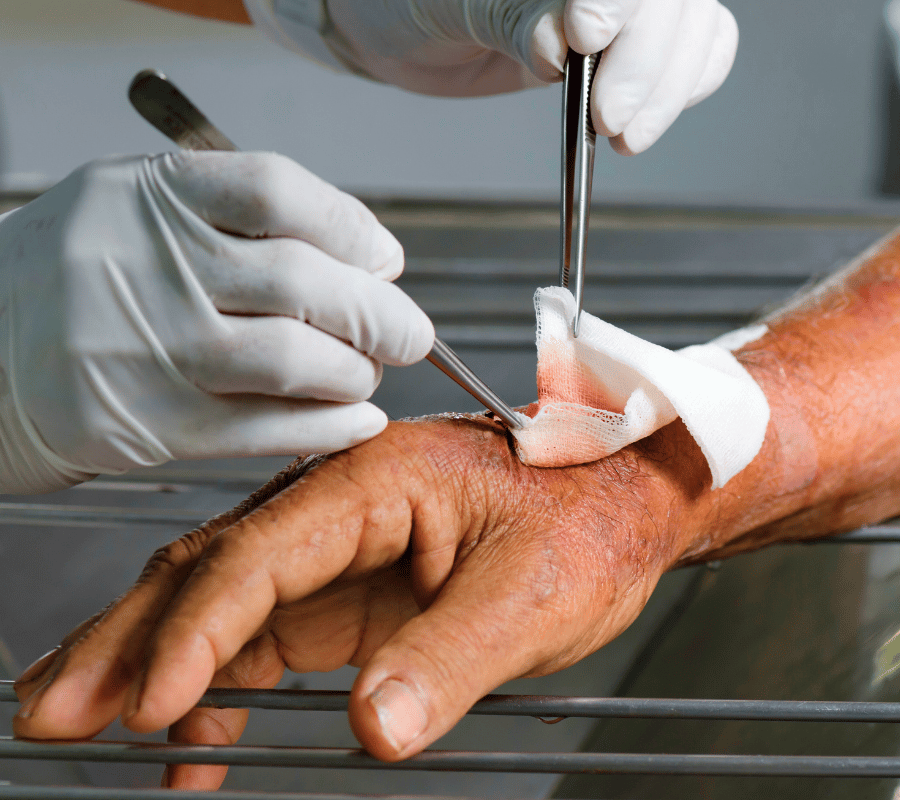
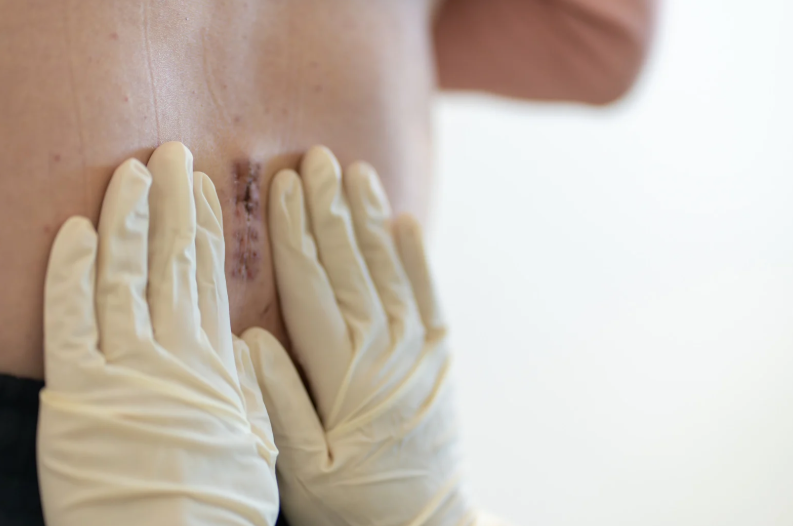
Professional treatment includes thorough cleaning and disinfection of the wound, proper closure with sutures, staples, or medical adhesives, and administration of tetanus shots if necessary. Follow-up care and dressing changes are crucial to prevent infection and support healing. The Specialists Surgery & Cancer Center specializes in repair of superficial wounds, traumatic injuries, providing high-quality, safe, and reliable treatment.
Immediate First Aid While Waiting for Medical Care
Applying gentle pressure to stop bleeding, cleaning the wound with mild soap and water, and covering it with a sterile dressing can help stabilize the injury. Avoid using harsh chemicals such as alcohol or hydrogen peroxide directly on deep cuts. While first aid is important, professional intervention is necessary for repair of superficial wounds, traumatic injuries to ensure proper closure and prevent complications.
Preventing Cuts and Promoting Healing
Safety measures at home, work, or during sports can reduce the risk of cuts and traumatic injuries. Eating a balanced diet, staying hydrated, and monitoring wounds for signs of infection support faster healing. Timely professional care, combined with preventive measures, maximizes recovery and reduces the likelihood of scarring. The Specialists Surgery & Cancer Center offers guidance on both prevention and treatment of wounds, ensuring comprehensive care.
Takeaway
Recognizing the signs that a cut needs professional attention is critical. Persistent bleeding, deep injuries, visible tissue, signs of infection, and loss of function all indicate the need for expert care. Repair of superficial wounds, traumatic injuries at The Specialists Surgery & Cancer Center ensures safe, effective treatment, minimizes complications, and promotes faster healing. Don’t underestimate the importance of timely medical attention for cuts and injuries to protect your health and well-being.
Frequently Asked Questions (FAQs)
Q: When should I go to a doctor for a cut?
A: Seek medical attention if the cut is deep, won’t stop bleeding, exposes tissue, shows signs of infection, or affects movement. Professional repair of superficial wounds, traumatic injuries ensures proper healing.
Q: Can small cuts heal on their own?
A: Superficial cuts may heal without intervention, but monitoring for infection is important. For safety and optimal results, consulting experts in repair of superficial wounds, traumatic injuries is recommended.
Q: How long does it take for a professionally repaired cut to heal?
A: Healing time depends on depth, size, and location. Most cuts treated by professionals at The Specialists Surgery & Cancer Center heal within one to three weeks, with follow-up care minimizing complications.
Q: Will stitches reduce scarring?
A: Yes, proper closure techniques used in professional repair of superficial wounds, traumatic injuries reduce scarring and improve cosmetic outcomes.
Q: Can infections from cuts be dangerous?
A: Yes, untreated infections can spread and lead to severe health issues. Professional wound care prevents these complications and supports safe recovery.