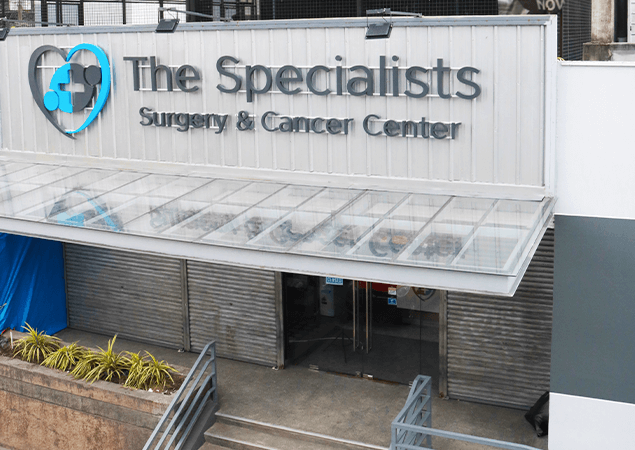
Abscesses are swollen, painful lumps filled with pus caused by bacterial infections, blocked glands, cysts, or minor injuries. These infections can appear anywhere on the body, and if left untreated, they may worsen, causing fever, increasing pain, or damage to surrounding tissue. Abscess Incision and Drainage is the proven treatment to address these infections quickly and safely. Patients across Quezon City, Metro Manila, and nearby provinces turn to The Specialist Surgery and Cancer Center (TSSCC) for effective and affordable outpatient care that avoids long hospital stays while ensuring expert surgical support.
Abscess Incision and Drainage allows trapped pus to drain while promoting natural healing. Early treatment reduces discomfort, prevents infection from spreading, and minimizes the risk of complications. Understanding when and how to treat an abscess is critical for maintaining skin health and overall well-being.
What Is an Abscess
An abscess is a localized collection of pus caused by the body’s response to infection. It forms when bacteria enter the skin through minor cuts, scratches, insect bites, or other injuries. Blocked glands, cysts, and boils are also common triggers. Abscesses can vary in size and severity, ranging from small, tender bumps to large, painful swellings that limit mobility or daily activities.
Symptoms of an abscess include redness, warmth, tenderness, swelling, and sometimes fever or body aches. Without timely treatment, abscesses rarely resolve on their own. The infection may spread to surrounding tissues, causing cellulitis or systemic infections. Abscess Incision and Drainage is the most effective approach to manage these infections because it directly removes the pus, reducing pressure and pain while supporting faster recovery.
Understanding Abscess Incision and Drainage
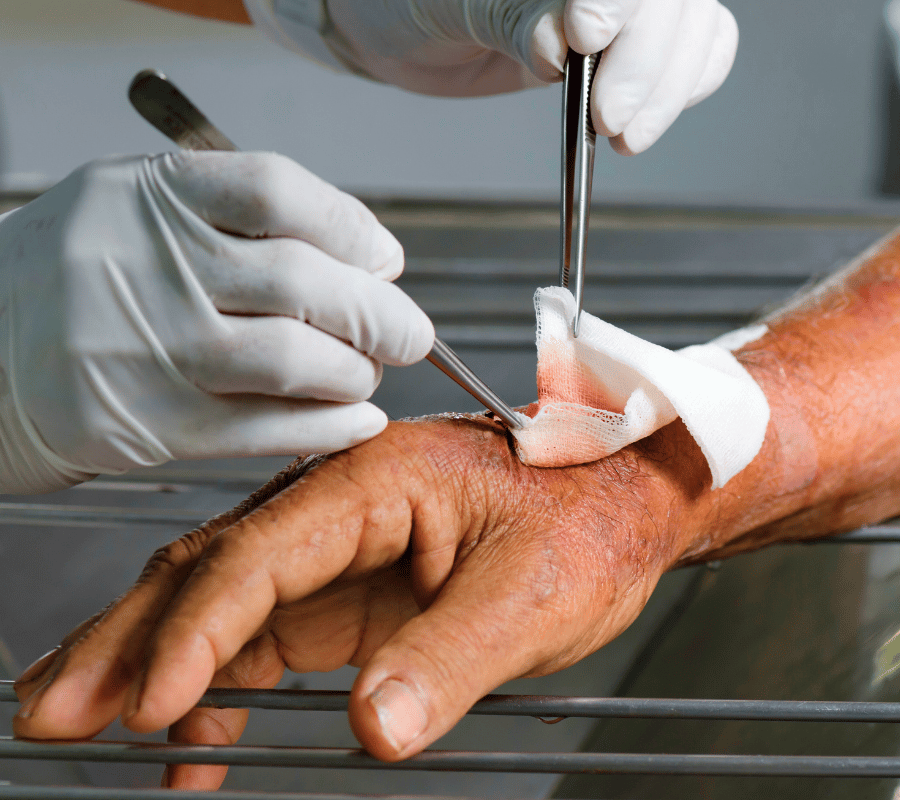
Abscess Incision and Drainage is a minor surgical procedure performed by qualified doctors to release pus and treat the underlying infection. The procedure is usually done under local anesthesia in a safe outpatient setting, which allows patients to recover comfortably at home without a hospital admission. During the procedure, the doctor carefully makes a small incision over the abscess to allow the pus to drain. The area is then cleaned, and sometimes a dressing or small packing is applied to keep the incision open for continued drainage.
This procedure is highly effective because it removes the source of infection directly. Antibiotics alone often cannot reach the trapped pus inside an abscess. By performing Abscess Incision and Drainage, doctors relieve pain, stop infection from spreading, and provide the conditions necessary for natural healing.
The procedure is suitable for various abscess types, including those caused by cysts, ingrown hairs, boils, minor skin trauma, or recurring infections linked to chronic conditions such as hidradenitis suppurativa. The outpatient approach at TSSCC ensures patients receive expert care in a clean and comfortable environment without the costs and wait times associated with hospital-based treatment.
Who Should Consider Abscess Incision and Drainage
Abscess Incision and Drainage is recommended for anyone experiencing signs of a significant or worsening abscess. Key indicators include a swollen, painful lump filled with pus, redness and warmth around the area, tenderness to touch, and fever or body aches associated with the infection. Abscesses that do not improve with home care or antibiotics require professional evaluation.
Certain individuals benefit particularly from early treatment. People with diabetes or weakened immune systems are more prone to infections and may experience more severe complications if abscesses are left untreated. Those exposed to frequent friction, sweat, or minor skin trauma, such as manual laborers or athletes, may also be at higher risk. Recurring abscesses should be assessed by a doctor promptly to determine the cause and prevent further infections.
TSSCC regularly treats patients not only from Quezon City and Metro Manila but also from other regions of the Philippines. Early evaluation ensures that Abscess Incision and Drainage is performed safely and effectively, minimizing pain and preventing unnecessary hospital stays.
What to Expect During and After the Procedure
Before the procedure, the doctor will examine the abscess and discuss the treatment plan. Local anesthesia is administered to numb the area, ensuring the procedure is as comfortable as possible. During Abscess Incision and Drainage, a small cut is made over the abscess to release the pus. The wound is cleaned thoroughly, and sometimes a packing material is placed to keep the incision open, allowing continued drainage if necessary.
The procedure typically takes only a few minutes, and patients can usually go home the same day. Pain and discomfort after the procedure are usually mild and can be managed with over-the-counter pain relievers. Proper wound care is essential to prevent reinfection. This includes keeping the area clean, changing dressings as instructed, and monitoring for signs of complications such as increased redness, swelling, or fever.
Recovery time varies depending on the abscess size and location. Most patients notice significant improvement within a few days, and full healing typically occurs within one to two weeks. Doctors may recommend follow-up visits to ensure proper healing and to provide guidance on preventing future abscesses.
Advantages of Choosing TSSCC for Abscess Care
TSSCC offers patients a safe and comfortable outpatient environment for Abscess Incision and Drainage. The clinic prioritizes infection control and patient comfort, providing a setting where procedures are performed efficiently and safely. Patients avoid hospital admission, long waiting times, and higher costs associated with inpatient care.
The medical team at TSSCC has extensive experience in minor surgical procedures, ensuring patients receive expert evaluation and treatment. Outpatient care at TSSCC also allows for a personalized approach to recovery, including instructions for home care and prevention strategies for future abscesses. The combination of expertise, convenience, and affordability makes TSSCC a trusted choice for abscess treatment in Quezon City, Metro Manila, and nearby provinces.
Tips to Prevent Future Abscesses
Preventing abscesses starts with proper hygiene and skin care. Regularly washing hands and cleaning cuts or wounds promptly reduces the risk of bacterial infection. Managing chronic conditions, such as diabetes or hidradenitis suppurativa, also helps prevent recurring abscesses. Individuals prone to skin infections should avoid excessive friction, moisture, or sweat in affected areas.
Prompt attention to minor skin infections can prevent them from developing into abscesses. Early evaluation by a doctor ensures that any potential abscess is treated before it becomes more serious. Following wound care instructions after an Abscess Incision and Drainage procedure also reduces the likelihood of recurrence.
Takeaway
Abscess Incision and Drainage is a safe, effective, and minimally invasive procedure for treating abscesses. Early intervention relieves pain, prevents the spread of infection, and promotes natural healing. Patients across Quezon City, Metro Manila, and the Philippines benefit from outpatient care at TSSCC, where expert doctors provide thorough evaluation, treatment, and follow-up guidance.
Timely Abscess Incision and Drainage can make a significant difference in recovery and long-term skin health. Anyone experiencing painful lumps, redness, swelling, or fever associated with a skin infection should seek professional evaluation promptly. Scheduling an appointment at TSSCC ensures expert care, proper recovery, and support to prevent future abscesses.
FAQ
Can an abscess heal on its own?
Most abscesses do not resolve without treatment. Without intervention, the infection can spread, causing more pain and complications. Abscess Incision and Drainage provides the fastest and safest solution.
Is Abscess Incision and Drainage painful?
The procedure is performed under local anesthesia, so patients typically feel minimal discomfort during treatment. Mild pain or tenderness may occur after the procedure but is usually manageable with over-the-counter pain medication.
How long does recovery take after Abscess Incision and Drainage?
Recovery usually takes one to two weeks. Proper wound care and follow-up visits help ensure complete healing and prevent recurrence.
Are antibiotics needed after Abscess Incision and Drainage?
Antibiotics may be prescribed in some cases, especially for patients with weakened immunity or extensive infection. The doctor will determine if medication is necessary based on the individual situation.
Can abscesses come back after drainage?
Recurring abscesses can occur, particularly in patients with chronic skin conditions or weakened immunity. Following proper wound care and preventive strategies helps reduce the risk of recurrence.
Is outpatient Abscess Incision and Drainage safe?
Yes, when performed by qualified doctors in a controlled outpatient setting like TSSCC, the procedure is very safe and effective, allowing patients to recover at home comfortably.