Understanding What Happens When a Cut Becomes Infected
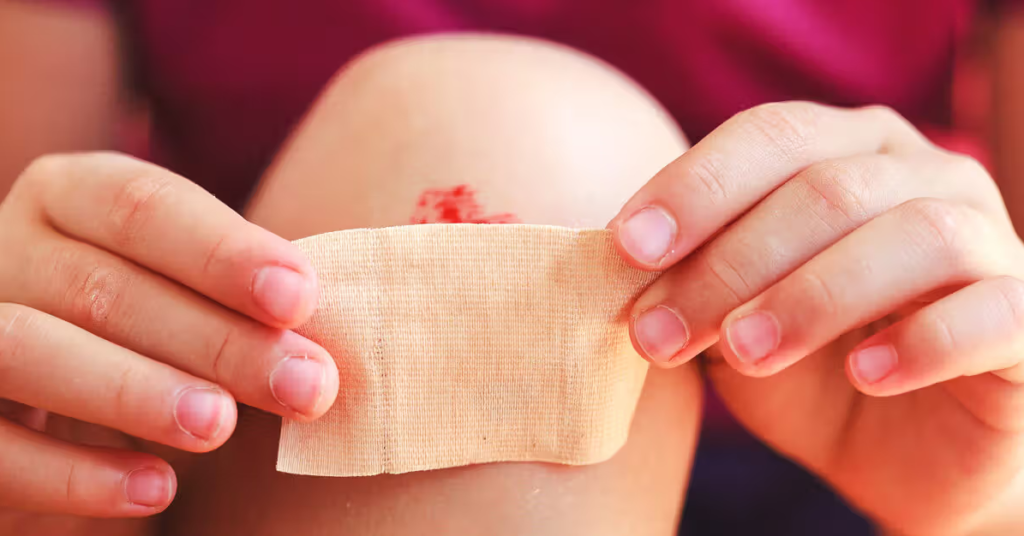
When the skin is broken, the body immediately starts a healing response to close the wound and prevent bacteria from entering. A cut becomes infected when harmful microorganisms manage to get inside the wound and begin multiplying faster than the immune system can control. This process can happen even with small cuts, especially if they are not cleaned properly. Dirt, bacteria, and moisture can all contribute to infection development. The body reacts by sending white blood cells to the area, which causes inflammation and other visible symptoms. Without proper infected cut treatment, the infection can continue spreading deeper into the tissue. Understanding this process helps people recognize why fast action is so important.
Why Early Recognition of Infection Is Critical
Early recognition allows infected cut treatment to stop bacteria before serious damage occurs. Many people wait too long because they assume the cut will heal on its own. This delay gives bacteria time to multiply and invade surrounding tissue. As infection progresses, pain, swelling, and redness become more intense and harder to manage. Early treatment often means simpler care and faster healing. Ignoring early signs can result in complications that require medical intervention. Acting quickly protects both the wound and overall health.
Redness That Continues to Spread Around the Cut
Some redness is normal during healing, but spreading redness is a warning sign. When redness expands beyond the edges of the cut, it suggests that bacteria are moving into nearby skin. This spreading often looks darker or more intense than normal irritation. The area may also feel tight or uncomfortable. Over time, untreated redness can cover a wide area of skin. This is one of the clearest signs you need immediate infected cut treatment. Paying attention to changes in color helps catch infection early.
Increasing Pain or Tenderness That Worsens Over Time
Pain from a cut should slowly decrease as healing progresses. When pain increases instead of improving, infection is often the cause. Tenderness that spreads beyond the wound area is especially concerning. Infected tissue becomes sensitive because of inflammation and pressure buildup. Pain may feel throbbing or constant rather than occasional. This discomfort can interfere with daily activities. Worsening pain is a strong signal that infected cut treatment is needed.
Swelling That Does Not Subside or Becomes Severe
Swelling is part of the body’s defense, but it should reduce with time. Persistent or increasing swelling suggests infection is present. Infected cuts often appear puffy and stretched. The skin may feel tight and shiny. Severe swelling can limit movement if the cut is near a joint. This condition indicates the immune system is struggling to control bacteria. Proper infected cut treatment helps reduce swelling and prevent further damage.
Warmth Around the Wound Area
An infected cut often feels noticeably warmer than the surrounding skin. This warmth comes from increased blood flow as the body fights bacteria. While mild warmth can be normal at first, ongoing heat is not. Touching the area may feel uncomfortable or painful. Warmth combined with redness and swelling is a strong infection indicator. This symptom should never be ignored. Immediate infected cut treatment can stop the infection before it spreads.
Pus or Unusual Fluid Coming From the Cut
Clear fluid may appear during normal healing, but pus is different. Pus is thick and may appear white, yellow, or green. It often has a foul smell, which signals bacterial growth. Discharge can leak continuously or appear when pressure is applied. This is a clear sign that infection is active. Pus formation means the body is fighting a serious issue. Infected cut treatment is necessary to clear the infection safely.
Fever or General Feelings of Illness
When a cut infection becomes more serious, the body may react with fever. Fever indicates that bacteria may be affecting more than just the wound. People may feel tired, weak, or chilled. Headaches and body aches can also occur. These symptoms show that the immune system is under stress. Ignoring them can lead to severe complications. Immediate infected cut treatment helps prevent systemic infection.
Red Streaks Extending From the Wound
Red streaks traveling away from a cut are a serious warning sign. These streaks indicate bacteria moving through the lymphatic system. The condition can progress quickly if untreated. Red streaking is often accompanied by pain and fever. This is considered a medical emergency. Prompt infected cut treatment is essential to prevent bloodstream infection. Seeking help immediately can be lifesaving.
Delayed Healing or Wound Not Closing Properly
A healthy cut should gradually close and form new skin. If healing seems stalled, infection may be interfering. The wound may remain open, wet, or inflamed. Scabbing may not form properly. Persistent inflammation delays tissue repair. Over time, this can lead to scarring or chronic wounds. Infected cut treatment supports proper healing and tissue regeneration.
Foul Odor Coming From the Cut
Healthy wounds rarely produce strong smells. A foul odor often signals bacterial activity and tissue breakdown. The smell may worsen when the wound is uncovered. This symptom usually appears in more advanced infections. Ignoring odor allows bacteria to continue damaging tissue. Proper infected cut treatment addresses the underlying cause. Removing infected tissue and controlling bacteria restores healing.
High Risk Individuals Who Should Act Faster
Some people are more vulnerable to wound infections. Diabetes can slow healing and reduce sensation. Poor circulation limits immune response. Elderly individuals heal more slowly due to age related changes. People with weakened immune systems are also at higher risk. Even minor cuts can become serious for these groups. Early infected cut treatment is especially important for them.
What Immediate Infected Cut Treatment Typically Involves
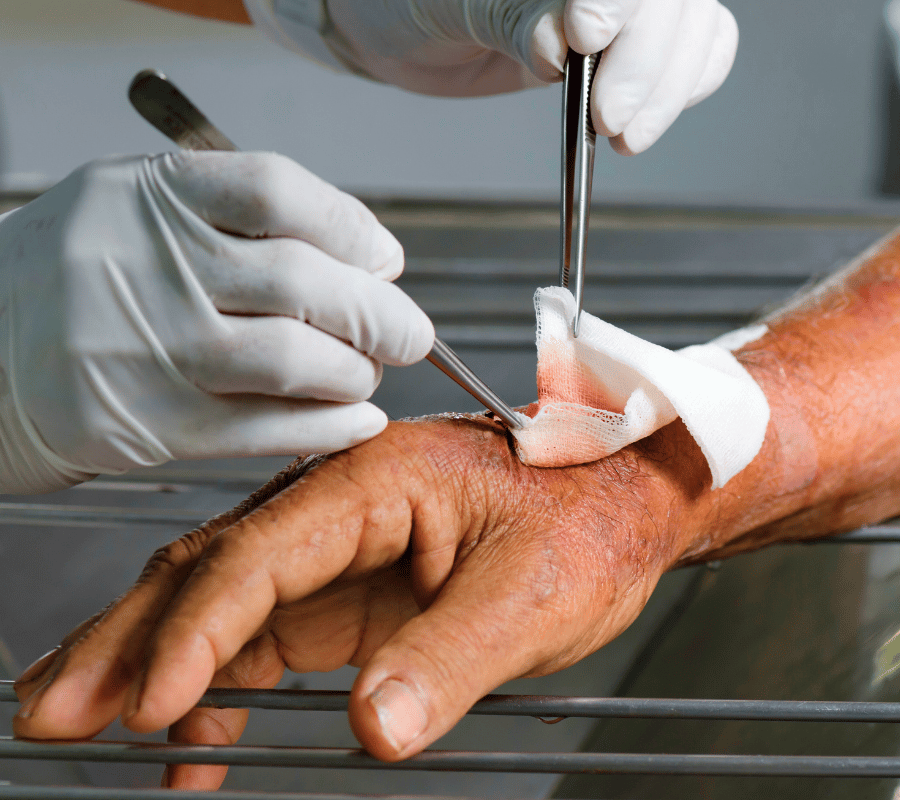
Professional infected cut treatment focuses on removing bacteria and supporting healing. Medical providers clean the wound thoroughly. Dead or infected tissue may be removed if necessary. Antibiotics may be prescribed depending on severity. The wound is monitored for improvement. Proper dressings protect against further contamination. Following treatment instructions ensures recovery.
Common Mistakes That Make Cut Infections Worse
Many infections worsen due to simple mistakes. These include ignoring early symptoms and relying only on home remedies. Covering an infected cut without cleaning it traps bacteria. Skipping wound checks allows infection to progress unnoticed. Overusing topical products can irritate skin. Delaying professional infected cut treatment increases risk. Awareness prevents these errors.
Preventive Steps to Reduce the Risk of Infection
Good wound care lowers infection risk significantly. Clean cuts promptly with clean water. Keep the area dry and protected. Change dressings regularly. Monitor for changes in color or pain. Avoid touching wounds with unclean hands. These steps reduce the need for infected cut treatment later.
Key Warning Signs to Watch For
1 Increasing redness and swelling
2 Persistent or worsening pain
3 Pus or foul smelling discharge
4 Fever or chills
5 Red streaks spreading from the wound
Recognizing these signs helps people seek infected cut treatment at the right time.
Frequently Asked Questions
How quickly can a cut become infected
A cut can become infected within twenty four to seventy two hours if bacteria enter and multiply. Factors include cleanliness, wound depth, and immune health. Even small cuts can become infected quickly. Monitoring during the first few days is important. Early infected cut treatment prevents complications.
Can an infected cut heal without medical treatment
Mild infections may improve with proper care, but many require professional attention. If symptoms worsen or persist, medical help is necessary. Ignoring infection increases risk. Infected cut treatment ensures bacteria are fully eliminated.
When should I see a doctor for an infected cut
Seek medical care if redness spreads, pain increases, or pus appears. Fever and red streaks require immediate attention. These signs indicate serious infection. Prompt infected cut treatment protects health.
Are antibiotics always required
Not all infected cuts need antibiotics. Mild cases may improve with cleaning and topical treatment. Severe infections often require oral or topical antibiotics. A medical provider decides the best approach.
Takeaway
Recognizing the signs you need immediate infected cut treatment protects your health and prevents serious complications. Paying attention to redness, pain, swelling, discharge, and overall symptoms allows early action. Infected cut treatment works best when started promptly and followed carefully. Small cuts deserve attention because infection can develop quickly. Understanding warning signs empowers better decisions. Proper care leads to faster healing and peace of mind.