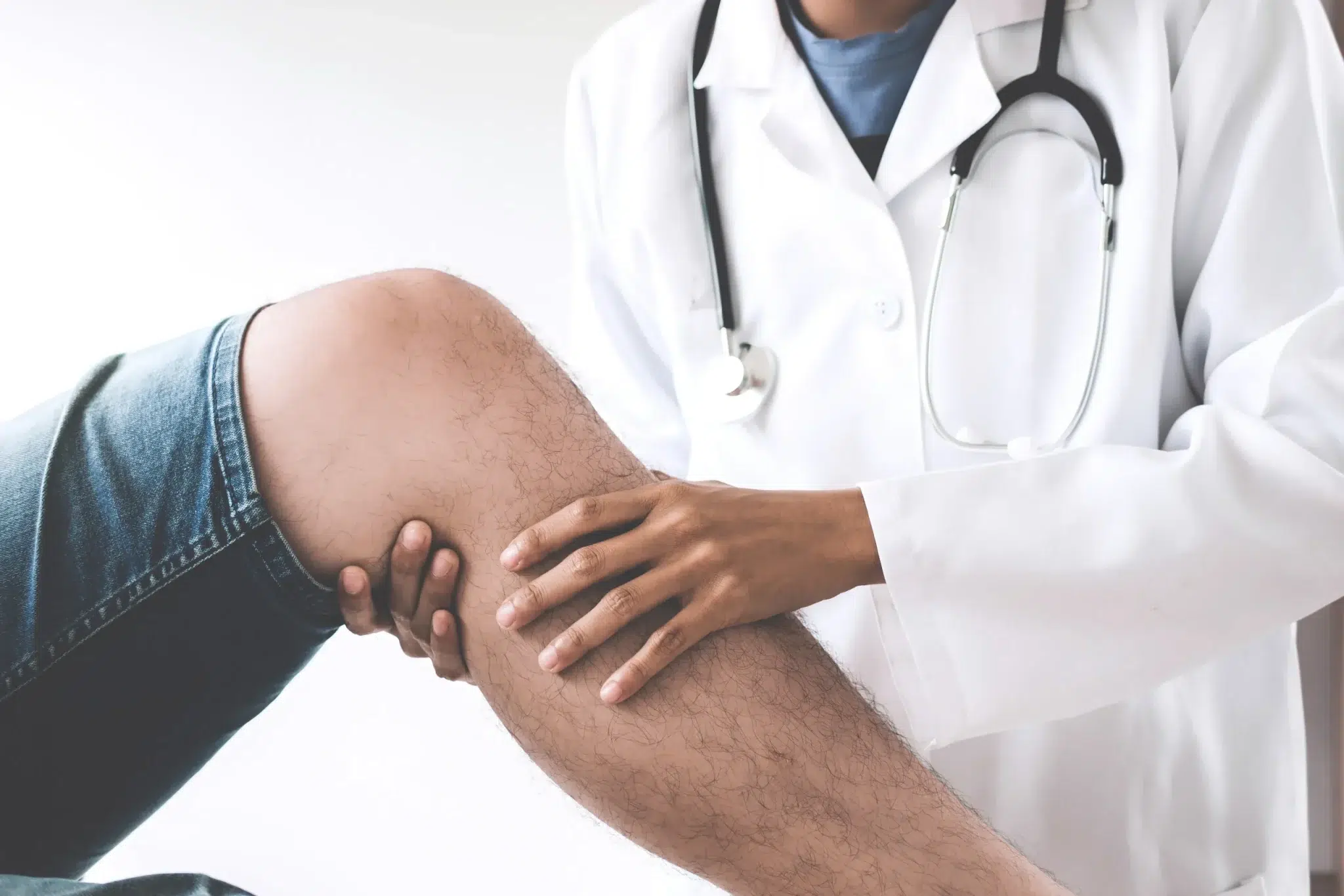
Athletes and fitness enthusiasts in Indianapolis face a wide range of physical demands, and sports injuries can occur at any level of activity. Sports injuries may result from sudden accidents, repetitive strain, or improper training techniques. These injuries vary in severity, ranging from minor sprains to more serious conditions like ligament tears or fractures. Soft tissue injuries, including strains and contusions, are among the most common, while joint injuries often affect the knees, shoulders, and ankles. Chronic injuries, such as tendonitis or stress fractures, develop over time due to repeated stress on muscles or bones. Understanding the types of injuries and their causes is the first step toward effective rehabilitation. For athletes, early identification and treatment of injuries can prevent long-term complications and improve overall recovery outcomes.
Prompt intervention is critical in preventing injuries from worsening. Early evaluation by trained sports medicine professionals helps determine the severity of an injury and ensures that an effective rehabilitation plan is implemented. Diagnostic tools, such as X-rays, MRIs, and functional assessments, allow specialists to pinpoint affected areas and develop targeted therapies. Immediate management may include rest, ice, compression, and elevation to control pain and inflammation. The sooner treatment begins, the better the chances of regaining full mobility and avoiding permanent damage. Ignoring minor injuries often leads to chronic problems that can sideline athletes for months. For individuals in Indianapolis, accessing qualified sports injury rehabilitation facilities ensures timely care tailored to each athlete’s needs.
Sports injury rehabilitation in Indianapolis involves comprehensive programs designed to restore function and enhance performance. Rehabilitation plans are customized based on factors such as the type of injury, the athlete’s age, fitness level, and sports goals. Effective programs typically follow a structured progression. The initial phase focuses on reducing pain, swelling, and inflammation while protecting the injured area. The second phase emphasizes restoring mobility and flexibility through guided exercises and stretching routines. Gradually, strength-building exercises are introduced to rebuild muscle and joint support. The final phase incorporates sport-specific drills to prepare athletes for a safe return to their activities, ensuring they regain confidence and physical capability.
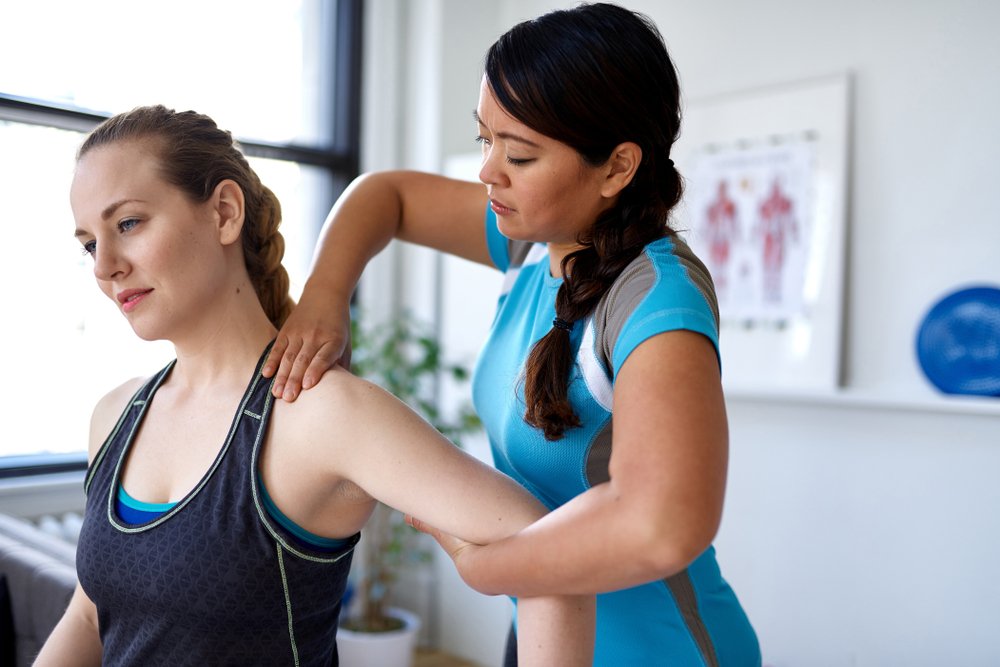
Rehabilitation employs a variety of techniques and therapies to accelerate recovery. Physical therapy is central to most programs, involving hands-on treatments, range-of-motion exercises, and guided stretching. Strength training is incorporated to improve stability and prevent re-injury, often including resistance bands, free weights, or bodyweight exercises. Advanced therapies, such as dry needling, electrical stimulation, and ultrasound therapy, target deep tissue recovery and pain relief. Certified athletic trainers and licensed rehabilitation specialists provide continuous monitoring and adjustments to the program. Some facilities may also offer aquatic therapy, which reduces joint stress while promoting movement. These therapies work in combination to restore strength, mobility, and functional performance effectively. Personalized rehabilitation ensures that each athlete receives care tailored to their unique needs and sports demands.
Recovery timelines vary based on the type and severity of the injury, as well as individual factors such as age and overall health. Minor sprains or strains may require only a few weeks of rehabilitation, while ligament injuries or fractures may need several months of consistent therapy. Athletes are encouraged to follow the recommended program diligently to avoid setbacks. Progress is measured through functional assessments and physical milestones, such as regained range of motion and strength. Setting realistic expectations is essential, as pushing too hard too soon can lead to re-injury. Ongoing communication between the athlete and rehabilitation team ensures adjustments are made as needed. Understanding the recovery process allows athletes to maintain patience and motivation throughout their journey.
Preventing future injuries is a key component of sports injury rehabilitation in Indianapolis. Warm-up and cool-down routines tailored to specific sports help prepare muscles and joints for activity while reducing the risk of strain. Proper training techniques, including form correction and gradual progression of intensity, are critical. Using appropriate protective equipment and footwear further protects vulnerable areas. Conditioning programs that strengthen muscles, improve flexibility, and enhance endurance contribute to overall injury prevention. Athletes should also pay attention to nutrition and hydration to support tissue repair and overall performance. Educating athletes on risk factors and preventive measures empowers them to stay active while minimizing the likelihood of recurring injuries. Incorporating these strategies into daily routines ensures long-term athletic success.
Selecting the right sports injury rehabilitation center in Indianapolis is essential for effective recovery. Key features to consider include the qualifications of staff, availability of advanced therapy equipment, and a multidisciplinary approach that integrates physical therapy, athletic training, and sports medicine expertise. Facilities with a proven track record of treating diverse injuries can tailor programs to each athlete’s unique requirements. Accessibility and convenience of location may also play a role in maintaining consistent therapy sessions. A supportive environment that fosters motivation and education enhances the recovery experience. Some centers offer progress tracking and personalized rehabilitation apps to monitor milestones. Choosing a reputable facility ensures athletes receive safe, efficient, and professional care.
Rehabilitation also relies heavily on personal support systems. Family, coaches, and teammates provide encouragement and accountability during the recovery process. Mental health support is particularly important, as injuries can lead to frustration, stress, and anxiety about returning to sport. Athletes benefit from strategies to stay motivated and engaged, including goal-setting, tracking progress, and celebrating small achievements. Peer support and mentorship from other recovering athletes can provide insight and reassurance. Maintaining a positive mindset enhances adherence to rehabilitation exercises and fosters overall well-being. The combination of physical therapy and psychological support contributes to a holistic recovery experience.
Sports injury rehabilitation is evolving with innovative techniques and emerging technologies. Motion analysis systems allow specialists to assess movement patterns and correct biomechanical issues. Wearable devices track performance metrics such as strength, endurance, and range of motion, enabling data-driven rehabilitation adjustments. Tele-rehabilitation provides remote support for athletes unable to attend in-person sessions regularly. Researchers continue to explore novel recovery methods, including regenerative medicine and advanced therapeutic modalities. Incorporating these advancements ensures athletes have access to cutting-edge care tailored to modern sports demands. Staying informed about new developments enhances both recovery and long-term athletic performance.
Rehabilitation Tips for Athletes
- Follow the prescribed exercise program consistently.
- Maintain proper nutrition to support tissue repair and energy levels.
- Listen to your body and avoid overexertion during recovery.
- Communicate regularly with your rehabilitation specialists.
- Incorporate mental conditioning and stress management techniques.
- Use supportive equipment and braces if recommended.
- Track progress to stay motivated and measure improvements.
Frequently Asked Questions (FAQ)
How long does it take to fully recover from a sports injury?
Recovery time depends on the type and severity of the injury, adherence to therapy, and overall health. Minor injuries may heal within a few weeks, while more severe injuries can require several months.
Can I continue training during rehabilitation?
Light or modified training may be allowed, depending on your injury and specialist recommendations. The focus should be on exercises that do not compromise healing.
How can I prevent re-injury after recovery?
Following proper training techniques, maintaining conditioning, using protective equipment, and attending follow-up assessments can significantly reduce the risk of future injuries.
Are rehabilitation programs covered by insurance in Indianapolis?
Coverage varies by provider and policy. Many insurance plans cover physical therapy and sports medicine treatments, but it’s essential to verify details with your provider.
What makes sports injury rehab different from standard physical therapy?
Sports injury rehabilitation is specifically tailored to athletes, focusing on sport-specific movements, performance optimization, and safe return-to-play protocols.
Takeaway
Sports injury rehabilitation in Indianapolis combines specialized therapies, structured programs, and personalized support to help athletes return to peak performance safely. Early intervention, consistent therapy, and injury prevention strategies ensure optimal recovery and minimize the risk of future injuries. By selecting a qualified rehabilitation center and engaging actively in the recovery process, athletes can regain confidence, strength, and mobility. Incorporating both physical and mental support into rehabilitation enhances results, allowing athletes to continue pursuing their goals with resilience and safety.