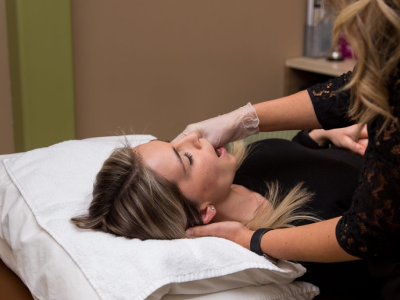
Temporomandibular joint disorder, also known as TMD, affects how the jaw functions, including chewing, speaking, and opening or closing the mouth. Many people mistakenly refer to the condition as “TMJ,” which is actually the name of the joint itself. TMD affects more than 10 million people across the United States and is most commonly diagnosed in women between the ages of 20 and 40. Residents of Fishers, IN, experiencing jaw pain, clicking, or limited movement can find specialized care and relief through targeted physical therapy. TMJ treatment Fishers is designed to reduce pain, restore jaw function, and improve overall quality of life.
Temporomandibular joint disorders can have multiple contributing factors, including genetics, arthritis, jaw injuries, and chronic jaw clenching or poor posture. Misaligned teeth or bite issues can also create additional stress on the jaw joint, leading to discomfort over time. While some symptoms may appear suddenly, TMD often develops gradually, making early diagnosis and treatment essential for long-term relief.
What Is TMJ Dysfunction?
TMJ dysfunction occurs when the temporomandibular joint or surrounding muscles do not function properly. This can lead to pain, stiffness, limited jaw movement, or audible clicking and popping sounds during motion. The condition may affect one or both sides of the jaw and can influence everyday activities such as eating, speaking, or yawning.
Many people do not realize they have TMJ dysfunction until the symptoms begin to interfere with daily life. TMD can be influenced by multiple factors, including physical injury, repetitive stress, or systemic conditions like arthritis. Genetics may also play a role, as jaw structure and bite alignment vary among individuals.
TMJ treatment Fishers focuses on addressing both the symptoms and underlying causes of TMD. Understanding the condition allows patients to make informed choices about therapy and lifestyle adjustments that can relieve pain and restore proper jaw movement.
Signs and Symptoms of TMJ Dysfunction
Jaw pain or tenderness is the most common sign of TMD. This pain may be persistent or intermittent and can radiate to the neck, shoulders, or temples. Difficulty opening the mouth fully or discomfort during chewing is another frequent symptom. Clicking, popping, or grinding sounds in the jaw are common indicators that the joint is not moving smoothly.
Some people also experience headaches, earaches, or facial tension as a result of TMJ dysfunction. Muscle spasms around the jaw may restrict movement, sometimes resulting in a temporary inability to open the mouth fully, commonly referred to as lockjaw. Symptoms can appear gradually and may fluctuate over time, making it important to seek professional evaluation if pain or functional limitations persist.
Residents of Fishers experiencing these symptoms can benefit from TMJ treatment Fishers, which aims to reduce discomfort, improve mobility, and address the underlying causes of jaw dysfunction.
How Physical Therapy Helps TMJ Disorders
Physical therapy is a non-surgical approach that helps reduce pain, restore normal jaw movement, and prevent further complications associated with TMJ disorders. Osteopractic Physical Therapy of Central Indiana specializes in TMJ treatment Fishers and provides personalized care to address each patient’s unique needs.
Therapists use targeted jaw exercises to improve mobility and strengthen muscles surrounding the joint. These exercises are designed to relieve tension, enhance range of motion, and promote proper alignment. Soft tissue massage and myofascial release techniques are often employed to relax tight muscles in the jaw, neck, and head, reducing pain and improving function.
Dry needling is another effective technique used by physical therapists to address trigger points and tight muscle fibers. This method helps release tension and reduce discomfort in affected areas. Therapists may also use modalities such as heat, ice, or ultrasound to manage pain and inflammation while supporting tissue healing.
TMJ treatment Fishers is not limited to symptom relief. Physical therapy focuses on restoring proper coordination between muscles and joints, correcting poor movement patterns, and preventing recurrence of pain. Patients often notice improvements in jaw function, reduced headaches, and decreased tension in the surrounding muscles after consistent therapy.
At-Home Measures for TMJ Relief
Certain home measures can complement professional TMJ treatment Fishers to provide additional relief and support healing. Over-the-counter pain medications, such as ibuprofen or acetaminophen, can help manage discomfort during flare-ups. Applying ice packs to the jaw for short periods may reduce inflammation and alleviate pain.
Stress management techniques, including relaxation exercises, meditation, or controlled breathing, can help minimize jaw clenching caused by tension or anxiety. Avoiding habits that strain the jaw, such as chewing gum, biting nails, or eating very hard foods, can also prevent irritation.
Dental splints or night guards may be recommended by a dentist in cases of teeth grinding or misalignment. These devices protect the teeth and reduce pressure on the jaw joint, complementing the work performed in physical therapy. Patients receiving TMJ treatment Fishers are often guided on safe home exercises and lifestyle adjustments that support long-term results.
Why Choose Osteopractic Physical Therapy of Central Indiana for TMJ Treatment Fishers
Osteopractic Physical Therapy of Central Indiana offers specialized care for residents experiencing TMJ dysfunction. Therapists are trained to evaluate jaw function thoroughly and develop personalized treatment plans based on each patient’s condition and goals.
Using a combination of hands-on techniques, exercises, and modern therapy modalities, OPTCI helps patients achieve lasting relief from jaw pain. Treatments such as myofascial release, soft tissue massage, dry needling, and guided jaw exercises are tailored to individual needs, ensuring optimal outcomes.
TMJ treatment Fishers at OPTCI prioritizes restoring natural jaw movement and function while minimizing discomfort. Patients receive guidance on posture, habits, and exercises that prevent future flare-ups. This comprehensive approach ensures not only symptom relief but also long-term improvements in quality of life.
Scheduling a consultation with OPTCI allows patients to receive a detailed evaluation and start a targeted therapy program for effective TMJ management. Residents of Fishers benefit from hands-on, individualized care that addresses both the immediate pain and the underlying causes of dysfunction.
Takeaway
Residents of Fishers experiencing jaw pain, limited movement, or popping and clicking sounds can find relief through targeted TMJ treatment Fishers at Osteopractic Physical Therapy of Central Indiana. Physical therapy offers a safe, non-surgical approach that addresses both symptoms and underlying causes. Treatments including jaw exercises, soft tissue massage, myofascial release, and dry needling help restore function, reduce pain, and prevent future flare-ups. Combining professional care with safe at-home practices ensures long-term improvement and a return to comfortable daily activities. Scheduling a consultation allows patients to receive a thorough evaluation and start a personalized therapy plan that improves quality of life and jaw health.
Frequently Asked Questions (FAQs)
Can TMJ resolve without surgery?
Yes. Many cases of TMJ dysfunction improve with conservative care such as physical therapy, lifestyle adjustments, and home exercises. Surgery is rarely needed and typically reserved for severe structural issues.
How long does physical therapy for TMJ take?
The duration varies depending on the severity of the condition. Many patients notice improvements within a few weeks, while more complex cases may require several months of consistent therapy.
Are jaw exercises safe at home?
Yes, when performed correctly. Therapists provide guidance to ensure exercises are safe and effective. Patients should follow instructions carefully and report any increased pain to their provider.
What causes TMJ pain to flare up?
Stress, teeth grinding, jaw clenching, poor posture, or certain foods can trigger TMJ pain. Targeted therapy and at-home care help manage these factors and reduce flare-ups.
Why choose OPTCI for TMJ treatment Fishers?
OPTCI offers specialized physical therapy focused on jaw disorders, combining manual therapy, guided exercises, and modern modalities. Residents of Fishers benefit from personalized care that restores function and reduces pain.