Musculoskeletal injuries can slow down an active lifestyle, whether it’s running, lifting, or participating in high-intensity workouts. These injuries can range from tendon inflammation to ligament sprains and joint pain, and proper evaluation is key to recovery. MSK Fishers at Osteopractic Physical Therapy of Central Indiana (OPTCI) offers a modern solution with musculoskeletal ultrasound, allowing for precise assessments and personalized treatment plans. This advanced imaging technology provides real-time visualization of muscles, tendons, ligaments, and joints, giving physical therapists the information needed to guide recovery effectively.
Active individuals, from runners to CrossFit athletes, benefit from MSK Fishers by identifying the root causes of pain, monitoring progress, and ensuring therapy is targeted to the injury. Unlike traditional imaging methods such as X-rays or MRIs, MSK Fishers offers a non-invasive, cost-effective, and immediate evaluation, making it an ideal choice for those eager to return to activity quickly.
What is Musculoskeletal Ultrasound?
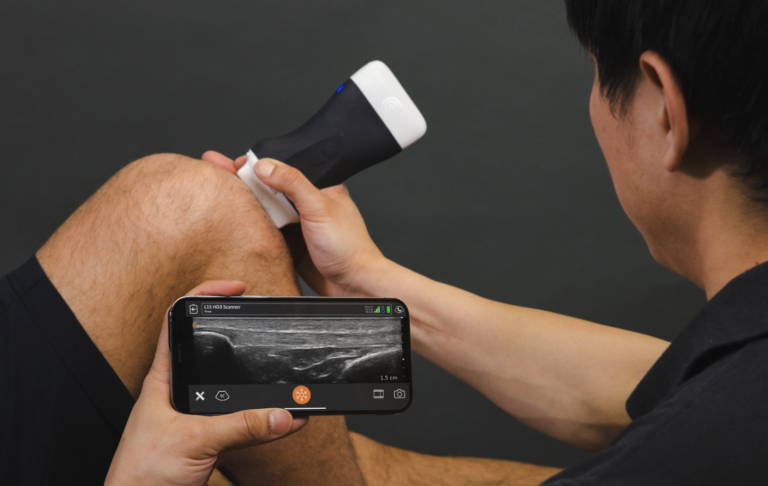
Musculoskeletal ultrasound, often referred to as MSK, is an imaging technique that uses sound waves to create real-time images of muscles, tendons, ligaments, and joints. MSK Fishers allows physical therapists to see injuries as they move and function, providing a dynamic assessment rather than a static snapshot. This level of detail helps therapists pinpoint the exact location and severity of issues, whether it’s a partial tendon tear, ligament strain, or joint inflammation.
MSK Fishers is particularly effective for diagnosing conditions that may not always show on X-rays or are too subtle for MRI scans. These include rotator cuff tendinitis, Achilles tendinitis, plantar fasciitis, patellar tendinitis, and IT band syndrome. By seeing the soft tissues in real-time, therapists can design treatment strategies that address both the cause and the symptoms of an injury.
Patients often appreciate that MSK Fishers is safe, painless, and non-invasive, which makes it a comfortable alternative to other imaging methods. It does not expose patients to radiation and can often be performed during the initial consultation, reducing delays in starting therapy.
Advantages of MSK Fishers at OPTCI
MSK Fishers offers numerous benefits for both therapists and patients. One of the primary advantages is accuracy in diagnosis. Traditional imaging techniques may miss subtle tendon inflammation or small ligament injuries, but musculoskeletal ultrasound allows therapists to evaluate tissues under movement, identifying problems early.
Another key advantage is personalized treatment planning. With a clear understanding of the injury, therapists can develop a therapy program that addresses the specific damaged tissues and compensatory movement patterns. This reduces recovery time and prevents further injury.
MSK Fishers also benefits active individuals who want to return to sports and daily activities quickly. By monitoring progress with repeated ultrasound evaluations, therapists can adjust the rehabilitation plan as healing occurs, ensuring therapy is always aligned with the patient’s needs.
Cost-effectiveness is another important factor. Many patients find MSK Fishers more affordable than MRI scans, making it an accessible option for ongoing monitoring and evaluation. This combination of safety, precision, and affordability makes MSK Fishers a preferred choice for physical therapy patients at OPTCI.
Common Injuries MSK Fishers Can Detect
Musculoskeletal ultrasound at MSK Fishers can detect a variety of injuries across different parts of the body. Shoulder injuries are common among athletes and active individuals, including rotator cuff tears and labral strains. MSK Fishers allows therapists to visualize tendon thickness, inflammation, and partial tears to guide recovery exercises and manual therapy.
Knee injuries such as patellar tendinitis, MCL/LCL sprains, and meniscus irritation are another area where MSK Fishers proves invaluable. Therapists can observe tendon or ligament movement, swelling, and inflammation in real-time, enabling targeted treatment and minimizing downtime.
Foot and ankle injuries, including Achilles tendinitis and plantar fasciitis, are frequently evaluated with MSK Fishers. This imaging method reveals tendon integrity and helps guide exercises that restore strength and flexibility while avoiding stress on the injured tissues.
Hip injuries, such as bursitis and IT band syndrome, are also common among runners and high-intensity athletes. MSK Fishers allows therapists to assess soft tissue structures and pinpoint areas that require stretching, strengthening, or manual therapy interventions.
By identifying the root cause of pain across various joints and muscles, MSK Fishers helps patients recover more efficiently and reduces the likelihood of recurring injuries.
How OPTCI Combines MSK Fishers With Osteopractic Physical Therapy
OPTCI uses MSK Fishers as part of a comprehensive approach to natural healing and physical rehabilitation. Therapists begin with a thorough assessment to identify the cause of pain, followed by an MSK ultrasound evaluation to confirm tissue damage and monitor progress.
The next step is creating a personalized treatment plan. Therapists consider the patient’s symptoms, medical history, and activity level to develop exercises, stretches, and hands-on therapy designed to restore function and reduce pain. By combining MSK Fishers with Osteopractic Physical Therapy, OPTCI ensures that therapy is evidence-based, precise, and tailored to the individual.
During treatment, MSK Fishers continues to serve as a feedback tool. Therapists can see how tissues respond to exercises or manual therapy, making adjustments as needed to optimize recovery. This dynamic approach increases the likelihood of a successful outcome, allowing patients to return to their favorite activities safely and efficiently.
OPTCI emphasizes patient education, helping individuals understand the cause of their pain and the purpose of each treatment step. This knowledge empowers patients to participate actively in their recovery and adopt habits that prevent future injuries.
What to Expect During Your MSK Fishers Visit
A typical MSK Fishers session is quick, painless, and informative. The procedure begins with a review of the patient’s medical history and current symptoms. Therapists then use the ultrasound device to examine the affected area, moving the joint or muscle to observe how tissues interact during activity.
Patients may see the images on the screen and receive explanations about what is happening inside the body. This transparency helps patients understand the source of their pain and the rationale behind the treatment plan.
After the evaluation, therapists use the information to design a rehabilitation plan. This plan may include targeted exercises, stretching routines, hands-on therapy, and strategies to improve posture or movement patterns. MSK Fishers can also be repeated periodically to track progress and adjust therapy for optimal results.
Conditions often treated after MSK Fishers evaluation include shoulder pain, knee pain, hip bursitis, Achilles tendinitis, patellar tendinitis, IT band syndrome, and plantar fasciitis. Patients appreciate that MSK Fishers guides therapy decisions, reducing guesswork and improving outcomes.
MSK Fishers
Many patients at OPTCI experience faster recovery thanks to MSK Fishers. For example, a runner with chronic Achilles tendinitis was able to return to training after weeks of targeted therapy guided by MSK Fishers evaluations. Another patient with shoulder pain from rotator cuff inflammation regained full range of motion within weeks after therapy was adjusted based on ultrasound findings.
Athletes recovering from IT band syndrome often see improvements sooner when therapy is informed by real-time imaging, allowing for precise stretching, strengthening, and manual therapy interventions. These examples illustrate how MSK Fishers at OPTCI supports efficient, safe, and effective recovery.
Why Choose OPTCI for MSK Fishers
OPTCI in Fishers, IN, provides local expertise in Osteopractic Physical Therapy combined with MSK ultrasound. Therapists are dedicated to helping patients heal naturally while restoring strength, mobility, and function. MSK Fishers allows for accurate diagnosis, guided treatment, and monitoring of progress, creating a clear path from injury to recovery.
The clinic provides a welcoming environment where patient health is the top priority. By integrating MSK Fishers into therapy programs, OPTCI ensures that recovery is not only faster but also more reliable, helping patients return to their favorite activities without unnecessary risk of reinjury.
Takeaway
MSK Fishers at OPTCI provides active individuals and athletes with the tools they need for accurate diagnosis, targeted therapy, and effective recovery. Combining musculoskeletal ultrasound with Osteopractic Physical Therapy ensures patients regain strength, mobility, and confidence while returning to their favorite activities safely. Schedule a visit to discover how MSK Fishers can help you overcome injuries and reach your physical potential.
FAQs About MSK Fishers
What conditions does MSK Fishers detect?
MSK Fishers evaluates muscles, tendons, ligaments, and joints, identifying issues such as tendonitis, ligament sprains, bursitis, rotator cuff injuries, plantar fasciitis, and IT band syndrome.
Is MSK Fishers safe?
Yes. MSK Fishers is non-invasive, does not use radiation, and is safe for patients of all ages.
How long does an MSK Fishers session take?
A typical session lasts 20-40 minutes, including evaluation, explanation, and discussion of the treatment plan.
Does MSK Fishers hurt?
No. The procedure is painless, using sound waves to generate images rather than needles or radiation.
Can MSK Fishers speed up recovery?
Yes. By providing precise information about the injury, MSK Fishers allows therapists to create targeted therapy plans, reducing recovery time and improving outcomes.
Is MSK Fishers covered by insurance?
Coverage depends on your insurance provider. OPTCI can assist in determining eligibility and explaining costs.