A dedicated Bedsore doctor delivers specialised care for pressure ulcers, a condition that often develops when a person remains seated or lying on the same area for long hours. These wounds may start as mild redness but can progress to severe tissue damage without expert attention. Families frequently seek a Bedsore doctor due to slow-healing wounds, recurring skin breakdown, or signs of deeper infection. Proper assessment from a wound expert helps reduce complications, supports faster healing, and restores comfort for patients who struggle with mobility.
A Bedsore doctor focuses on identifying the root cause behind the pressure ulcer, such as prolonged pressure, friction, moisture, compromised blood flow, or underlying health concerns. Through regular evaluations, the doctor ensures that the wound responds well to treatment and does not worsen. This level of expertise is essential for elderly individuals, patients with chronic health conditions, or those with limited ability to reposition themselves.
Common Signs That You Need a Bedsore Doctor Immediately
A Bedsore doctor should be consulted right away when early warning signs appear. Redness that does not fade, darkened patches on the skin, or unusual discomfort on pressure points often indicate early-stage pressure ulcers. More advanced cases may show visible wounds, foul odor, swelling, or discharge.
Other crucial signs include:
- Persistent pain around pressure points
- Skin dryness, cracking, or unusual warmth
- Difficulty managing home care
- Wounds that fail to close or improve after home treatment
- Fever or signs of infection
A qualified Bedsore doctor can examine the wound, determine its severity, and decide whether advanced treatment is required.
How a Bedsore Doctor Assesses Pressure Ulcers
A thorough evaluation from a Bedsore doctor goes beyond checking the wound’s appearance. The doctor studies the patient’s medical background, mobility restrictions, nutrition levels, and any underlying conditions that may delay healing. This helps create a personalised plan that supports safer and faster recovery.
During assessment, a Bedsore doctor may:
- Measure the wound’s depth, width, and condition
- Check for tissue damage, odor, or infection
- Assess circulation concerns
- Identify pressure points requiring protection
- Document progress through photos and measurements
This structured approach allows the Bedsore doctor to monitor healing accurately and adjust the treatment plan when needed.
Evidence-Supported Treatments a Bedsore Doctor May Recommend
Advanced Cleaning and Debridement
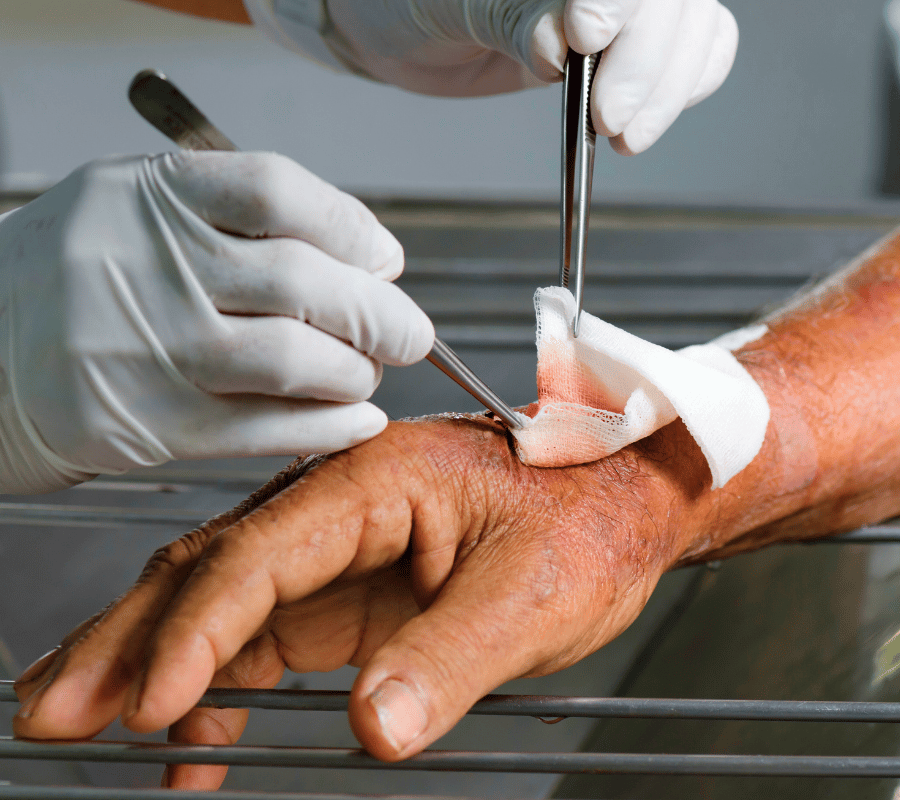
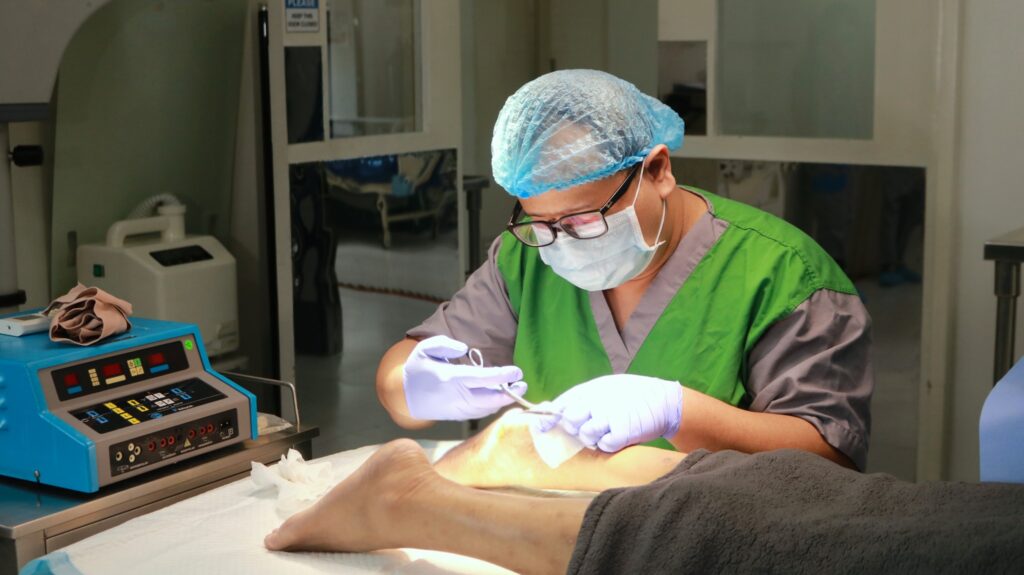
A Bedsore doctor may perform debridement to remove dead or infected tissue. This prepares the wound bed for healing and helps promote healthier tissue growth. Options such as ultrasonic or sharp debridement ensure safer removal and better wound recovery.
Advanced Dressings and Therapy
A Bedsore doctor selects dressings based on moisture balance, wound depth, and infection level. These dressings protect the wound, maintain a healthy environment for recovery, and reduce discomfort.
Negative Pressure Wound Therapy
This therapy, guided by a Bedsore doctor, uses controlled suction to support better blood flow and remove excess fluid. Many patients with deeper wounds benefit from this method because it speeds up tissue repair.
Infection Control Strategies
A Bedsore doctor prescribes targeted medication or topical solutions to manage bacterial or fungal concerns. Proper infection control is essential because untreated infections may lead to severe complications.
Nutrition and Mobility Support
A Bedsore doctor may recommend protein-rich meals, hydration, and assisted movement routines to prevent further pressure buildup. Good nutrition and posture changes help improve tissue strength and reduce risks of recurrence.
Why Expert Care Matters for Complex or Severe Bedsores
A complex wound requires the expertise of a Bedsore doctor due to the high risk of deep tissue damage, bone involvement, or systemic infection. Without professional care, pressure ulcers may progress to stages that threaten overall health. Regular monitoring ensures early detection of complications and appropriate adjustments to treatment.
A Bedsore doctor ensures safe healing by:
- Tracking progress through scheduled follow-ups
- Recommending pressure-relief tools
- Adjusting dressings and medication
- Coordinating care with nurses and family caregivers
How a Bedsore Doctor Supports Caregivers and Families
Caring for a patient with pressure ulcers is challenging. A Bedsore doctor guides families on proper repositioning, wound cleaning, and mattress or cushion selection. This helps caregivers feel more confident and reduces the risk of worsening wounds.
Support from a Bedsore doctor includes:
- Step-by-step cleaning instructions
- Guidance for daily skin checks
- Safe movement or turning techniques
- Planning routine schedules to prevent new wounds
Families appreciate this support because it helps maintain patient comfort while avoiding further complications.
Benefits of Visiting a Dedicated Wound Care Clinic for Bedsore Treatment
A specialised centre with a Bedsore doctor provides access to advanced equipment, trained wound care nurses, and standardised procedures that support faster healing. Regular follow-ups ensure consistency and allow for better monitoring of wound progress.
Key advantages include:
- Structured wound evaluation
- Access to advanced dressings and therapy
- Reduced healing time
- Personalised plans based on patient condition
- Higher quality care compared to general clinics
Why Choosing a Qualified Bedsore Doctor in Quezon City Matters
A skilled Bedsore doctor located within Quezon City offers easier access to treatment, especially for elderly or bedridden individuals. Regular sessions reduce the risk of complications, support quicker improvement, and ensure that the patient receives consistent monitoring.
Families often look for:
- Experience with chronic wounds
- Access to advanced wound therapy
- Comfortable clinic environment
- Caring and patient-focused staff
A capable Bedsore doctor also promotes prevention, which helps reduce the chances of recurring ulcers.
Preventive Measures Shared by a Bedsore Doctor
Prevention plays a vital role in patient comfort and long-term wellness. A Bedsore doctor often teaches practical habits that caregivers can follow at home.
Common preventive measures include:
- Frequent repositioning to reduce pressure
- Daily skin checks
- Keeping the skin dry and moisturised properly
- Selecting suitable mattresses and cushions
- Proper cleansing to avoid irritation
Following these methods reduces the risk of new wounds forming.
When to Visit Kalingap Wound Care Clinic for Bedsore Treatment
Kalingap Wound Care Clinic offers support from a qualified Bedsore doctor who specialises in pressure ulcer treatment, assessment, and recovery. Families seek help from Kalingap when they observe wounds that fail to heal, show signs of infection, or cause ongoing pain.
The clinic offers:
- Comprehensive pressure ulcer assessment
- Debridement options
- Negative pressure therapy
- Advanced dressings
- Education for caregivers
- Follow-up plans to ensure progress
A consultation with a Bedsore doctor at Kalingap provides clarity, direction, and a structured approach to healing.
FAQ About Bedsore Doctors and Pressure Ulcer Treatment
Q1: When should I visit a Bedsore doctor?
Seek help as soon as redness, wounds, or discomfort appear, especially when home remedies fail to show improvement.
Q2: Can early-stage pressure ulcers recover without a Bedsore doctor?
Some mild cases may improve with proper care, but expert evaluation ensures safer and quicker recovery.
Q3: What treatments does a Bedsore doctor use?
Treatments may include advanced dressings, debridement, negative pressure therapy, and infection control.
Q4: How long does recovery take?
Healing duration varies based on severity, health condition, and adherence to care instructions from the Bedsore doctor.
Q5: What should caregivers prepare before a consultation?
Details about medical history, current medication, mobility status, and wound photos can help the Bedsore doctor assess the case more effectively.
Q6: Does a Bedsore doctor help prevent recurring pressure ulcers?
Yes. Prevention strategies are an essential part of the care plan to reduce future risks.